
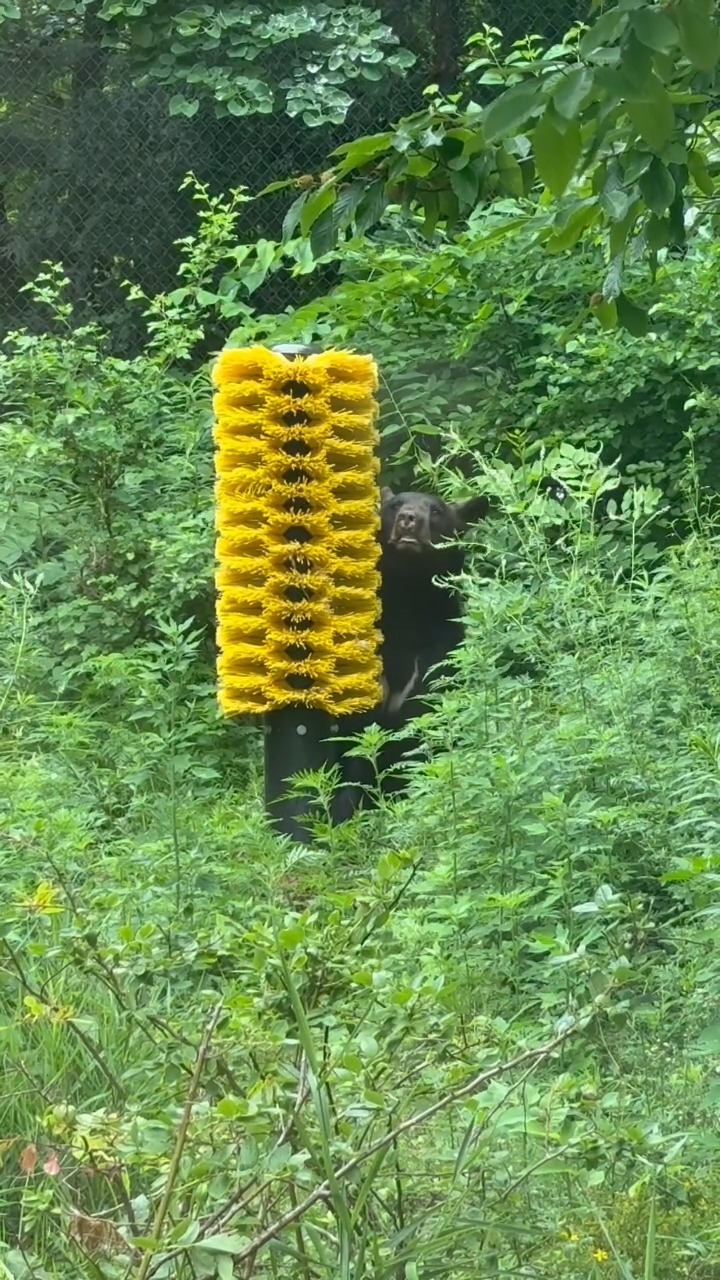
- Understanding the behavior of black bears and their scratching habits
- The physiological benefits of scratching for black bears
- The ecological significance of bear scratching
- Insights into wildlife management and conservation efforts
- The interaction between black bears and their habitat due to scratching
Black bears display a wide array of unique behaviors, one of which is their fondness for scratching. This behavior is not just a quirky habit but serves several essential functions for these magnificent animals. Understanding the intricacies of black bear scratching can offer valuable insights into their health, ecosystem roles, and conservation needs.
One of the primary aspects of scratching behavior in black bears is its role in physical health. As bears grow and shed their fur, they often experience skin irritations or itchiness. Scratching helps alleviate these sensations. Most mammals, including black bears, encounter an itchy sensation at times, whether due to parasites or simply the changing seasons. By scratching, bears can remove dead fur and dirt, facilitating a cleaner coat. Healthy fur is crucial because it provides insulation during colder months and protection from environmental elements.
The physiological benefits of scratching persist beyond mere grooming. When black bears scratch against trees or other surfaces, they inadvertently maintain their claws. Claw health is vital for bear survival, aiding in climbing, foraging, and self-defense. A bear with healthy claws can access food more efficiently and evade threats. Moreover, this activity can lead to localized stimulation of blood flow to the areas being scratched, encouraging skin health and the regeneration of hair follicles.
The act of scratching has ecological implications. Black bears often leave distinctive markings on trees, which serve multiple purposes. These markings signal to other bears, indicating territory and presence. An area marked by a scratching bear may deter others from encroaching, thus reducing conflict and competition for resources. These unique markings also allow wildlife researchers to track black bear populations and behaviors. The data collected helps biologists better understand bear interactions and health. Our understanding of black bear populations can be enhanced through the examination of these scratch marks.
Scratching spots can become vital hubs for various wildlife species. Other animals might utilize the areas marked by black bears, including birds and smaller mammals. This community aspect underscores the interdependence of species within an ecosystem. Black bear scratching also aids in seed dispersal. As they scratch and move about their environment, they may inadvertently clear areas that allow other plants to thrive, thus enriching the biodiversity of their habitat.
Understanding black bear scratching behavior also sheds light on wildlife management. Effective conservation strategies hinge on grasping the complex behaviors of bears. Information gathered from scratching habits allows wildlife managers to design interventions aimed at conserving these species and their environments. For instance, if bears show a preference for specific territories, conservation efforts can focus on preserving these areas to sustain the black bear population. Additionally, educating the public about bears’ scratching behavior can lead to more respectful and informed interactions between humans and wildlife.
Community engagement extends beyond education; people play a vital role in bear conservation. Awareness campaigns that highlight the ecological significance of bears can spur local communities to take action to protect their habitats. Such initiatives might involve habitat restoration projects or creating wildlife corridors to allow safe passages for bears and other animals. The economy of wildlife tourism can also become a beneficial factor, with bears attracting visitors eager to observe these animals in their natural habitats. This creates a financial incentive for communities to preserve their environment instead of exploiting it.
Interestingly, black bears don’t just scratch for maintenance; they also engage in this behavior as a form of social interaction. Scratching is not solely an individual act but can have communal aspects. Bears might use the same scratching trees, leading to a buildup of scent markers. This communal scratching area can serve as a social space where bears communicate with one another. The resulting interactions can lead to bonding or rivalry depending on the context. Understanding these dynamics becomes crucial for bear behavior studies.
In considering the impact of scratching on their habitats, many questions arise about the long-term sustainability of environments in which bear populations thrive. Scratching can lead to tree damage, which, while seemingly detrimental, also contributes to habitat diversity. The scars left behind can create niches for insects and fungi, essential components of the ecosystem. These areas encourage new plant growth and provide feeding spots for various organisms. Thus, black bear scratching behavior, while impactful on local flora, simultaneously enhances ecological complexity.
The relationship between black bears and their scratching habits underscores a broader ecological narrative. Their scratching not only influences their individual health but also serves as a microcosm of interactions within their habitat. Observations reveal that where black bears are active, the landscape reflects a unique balance of flora and fauna resulting from their behaviors. This intertwining illustrates the significance of predators and herbivores in maintaining ecological integrity.
Deepening our understanding of the intricacies of black bear scratching also invites a conversation about future conservation efforts. Wildlife management must adapt to ongoing changes in land use and climate. Factors such as urbanization and habitat fragmentation pose challenges to bear populations. Scratching sheds light on how bears negotiate these altered environments. The choice of scratching trees may be influenced by the availability of natural resources in the area or the proximity to human developments. Identifying such patterns can aid in creating more effective wildlife protection strategies.
The challenges in balancing human expansion with wildlife needs necessitate ongoing research and community involvement. Local communities must engage with wildlife professionals to align interests in ecological conservation, as both bear and human populations strive to coexist. By fostering a mutual understanding of the significance of black bears, these efforts can become more effective.
Engagement strategies can include educational workshops that not only teach locals about black bear behaviors but actively involve them in habitat restoration projects. Local universities and conservation organizations can collaborate to create programs focusing on the interdependence of various species within ecosystems, illustrating how activities such as scratching have domino effects throughout the food web.
Ultimately, our grasp of black bear behaviors, such as scratching, connects directly to the broader perspectives of wildlife preservation. These habits highlight a range of health and ecological considerations. With these insights, we can appreciate how animal behaviors contribute to the health of entire ecosystems. As stewards of the environment, understanding these relationships between species and their habitats becomes essential for sustainable conservation efforts.
By recognizing the importance of scratching behavior, we can take informed steps to protect black bears and their environments. Preservation of habitats, active conservation campaigns, and an ongoing dialogue between communities and wildlife experts can enhance the health of ecosystems while promoting coexistence. Observing black bears scratching in their natural habitats becomes more than just an enjoyable experience; it ties into the essential work of conserving biodiversity for future generations. Black bears are more than mere subjects of fascination; they play a critical role within their ecosystems, helping maintain the intricate balance of life.
*****
Source Description
There’s nothin’ quite like scratching that itch, at least for the black bears.
📸 Brittany C.
