
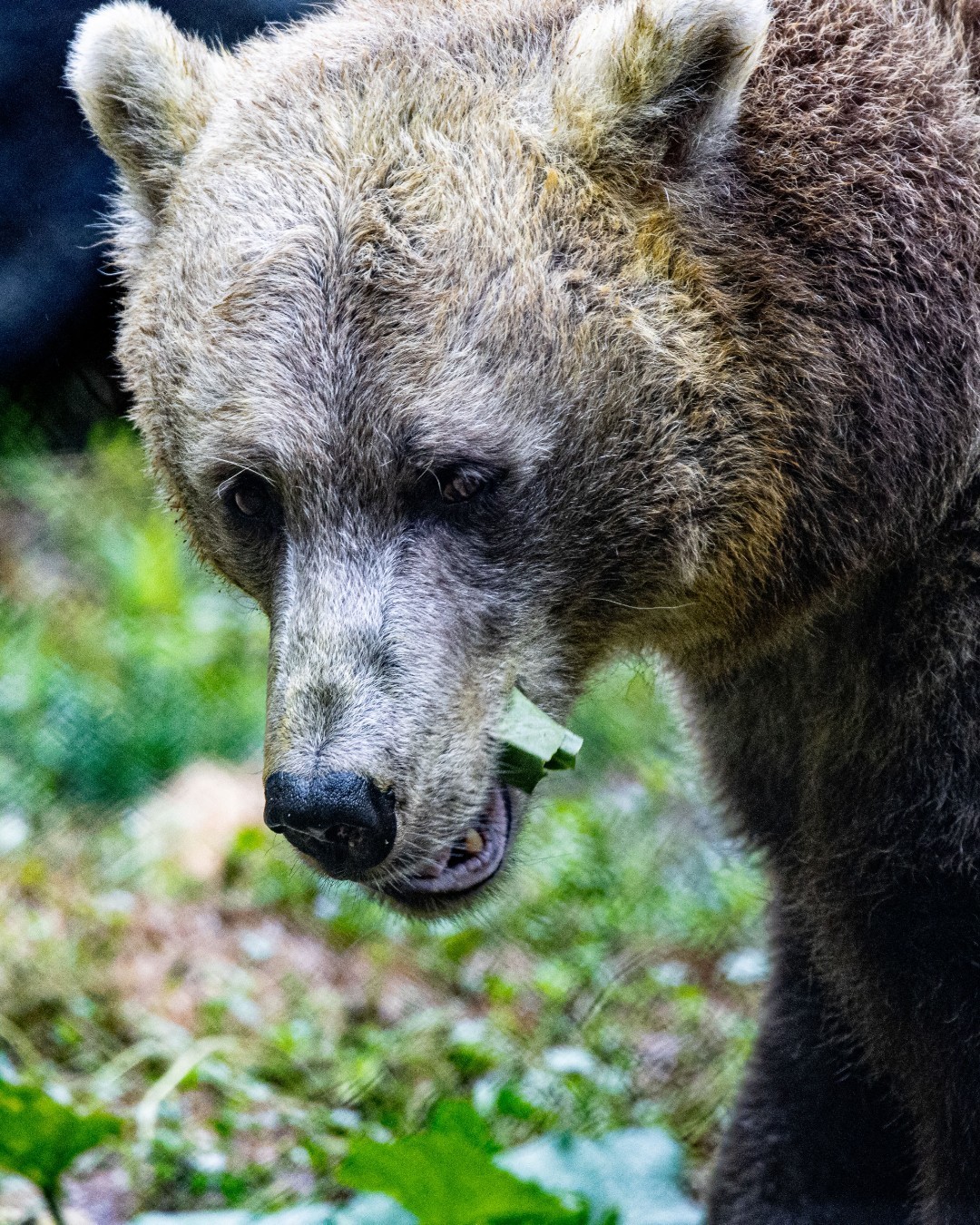
- Fat Bear Week: A celebration of bear preparation for winter and how Shintay exemplifies this behavior.
- Understanding the physiology of bears during winter and their energy conservation strategies.
- The care and diet provided to bears at Toronto Zoo to simulate their natural feeding behaviors.
- The importance of animal husbandry in managing the health of zoo animals like Shintay.
- Conservation implications of studying bear behavior and health in captivity.
Fat Bear Week is an annual event that shines a spotlight on the impressive weights that bears achieve as they prepare for winter. This year, the event runs from September 23-30, coinciding with the seasonal transition that compels bears, notably grizzlies, to bulk up in anticipation of their winter sleep. Shintay, a resident of the Toronto Zoo, exemplifies this natural behavior with her current weight of 211 kg (approximately 465 lbs). During this period, she is the largest eater at the zoo, embodying the instinctual drive for fat storage.
Understanding the winter habits of grizzly bears unveils significant biological and ecological insights. Contrary to popular belief, grizzly bears do not truly hibernate as many assume. Instead, their bodies adapt by slowing down metabolic processes, lowering body temperature, and greatly reducing digestive activity. This change allows them to conserve energy during the winter months when food is scarce. During this dormant state, a bear can still awaken and respond to disturbances, indicating that they remain biologically equipped to adapt to environmental stimuli. This process, known as torpor, involves weight loss due to fat reserves being depleted daily. Once spring arrives, they gradually regain the weight lost during the winter, primarily in the form of fat, to prepare once more for the next winter season.
Shintay serves as an example of advanced wildlife care techniques. Through positive reinforcement training, staff at the Toronto Zoo have successfully taught her to be weighed regularly. Upon emerging from her winter torpor last March, Shintay weighed 218 kg (480 lbs), which dropped to her lightest at 173 kg (380 lbs) by July. She is now on a plan to reach her goal weight of 250 kg (551 lbs) before winter begins. This means she needs to add about 43 kg (95 lbs) over the next five weeks, often plateauing before entering the dormant period.
Feeding bears like Shintay is carefully managed at the Toronto Zoo. A seasonal diet program simulates the natural changes in caloric intake that occur in the wild. In the spring, when bears wake from their slumber, they take some time to regain their appetites as their metabolic rates adjust. Initially, bears are fed a diet rich in produce—apples, oranges, celery, and romaine lettuce. This diet can amount to about 10 kg (22 lbs) per day, tailored to the bears’ individual preferences. This practice mirrors what brown bears might experience in the wild, as they emerge from their dens and gravitate toward foraging opportunities in meadows, gradually transitioning to protein-rich diets as salmon migration begins.
The care provided to Shintay and other bears highlights the importance of animal husbandry practices in zoos. Wildlife Care staff employ comprehensive knowledge of wildlife physiology and behavior to monitor health and wellbeing. Regular weigh-ins and dietary adjustments ensure that bears remain healthy and can meet the challenges of seasonal shifts. Understanding the nutritional needs of bears is critical, as it allows caretakers to make informed decisions about what to feed them throughout the year.
Zoo management must also consider the psychological aspects of animal care. Many bear species, including grizzlies, exhibit complex behaviors requiring stimulation and enrichment. A lack of mental engagement can lead to stress and detrimental effects on physical health. At the Toronto Zoo, Wildlife Care staff implement enrichment activities, such as puzzle feeders and various interactive toys, allowing bears to express natural instincts like foraging and exploring. This holistic approach to animal care fosters an environment that promotes physical health and emotional well-being.
Additionally, the study of bear behavior and health in captivity provides valuable conservation insights. By understanding how bears like Shintay prepare for seasonal changes, researchers can better advocate for wild populations facing threats like habitat loss and climate change. Collecting data on weight fluctuations, eating habits, and behaviors informs conservation strategies aimed at preserving these magnificent animals in their natural habitats.
Fat Bear Week underscores the significance of wildlife conservation efforts. As bears prepare for winter, they symbolize broader ecological cycles and the interconnectedness of species and habitats. Events like these inspire public engagement in wildlife conservation, prompting discussions about the impacts of human activities on bear populations, including their natural feeding patterns and habitats.
While Shintay is currently thriving at the Toronto Zoo, many grizzly bears in the wild face significant challenges. Climate change disrupts traditional migratory patterns, leading to food shortages during crucial periods for growth and fat accumulation. Conservationists emphasize that understanding natural behaviors and physiological adaptations can enhance efforts to protect these animals.
As Fat Bear Week unfolds, viewers are invited to appreciate the remarkable adaptations of these powerful creatures. Shintay serves as a living representation of the ongoing efforts in animal care, education, and conservation. Each time she reaches a new weight milestone, it reflects not just her individual health but also the broader narrative of how we as a society interact with wildlife.
In addition, the lessons learned through Shintay’s care extend beyond the confines of the zoo. They encourage better wildlife management practices in local ecosystems. As communities implement conservation strategies that consider the needs of both wildlife and biodiversity, they ultimately contribute to the health of wider ecosystems.
As the event progresses, the spotlight will shine not only on Shintay but also on the various educational opportunities it presents. The community can engage in discussions about bear health, the environment, and personal responsibility toward wildlife protection. Awareness and education are pivotal for fostering curiosity and stewardship over natural resources.
The connection between Fat Bear Week and Shintay underscores the relevance of conservation partnerships and community engagement. Local zoos, wildlife agencies, and environmental organizations work collaboratively to enhance public understanding of wildlife management and biodiversity challenges.
Shintay, in her grandeur and grace, captures an essential moment each year when her journey reflects a cycle seen across the wild. Fat Bear Week exemplifies this relationship, encouraging everyone to honor these majestic animals and consider their role in preserving their habitats.
Bears like Shintay teach us valuable lessons on resilience, adaptation, and the delicate balance within ecosystems. Through education, awareness, and responsible actions, we can contribute to sustainable practices that safeguard both wildlife and the environment for future generations.
*****
Source Description
During this Shintay is weighing at 211kg (~465lbs) 🐻
Fat Bear Week takes place this year from Sept. 23-30. Are you aware? This period coincides with the time bears like grizzlies are bulking up for their “winter sleep”, and at this moment, Shintay is the biggest eater at your Toronto Zoo 🍽️
It’s important to note that Grizzlies do not actually hibernate. Their body under goes changes allowing them to alter body temperature and reduce activity in their gut to help conserve their energy reserves. They can be easily disturbed from their sleep and they can actually wake up at any moment! During this “dormant” period their metabolic activity slows, they do not eat or drink, and lose considerable amounts of body fat every day. In the following year they will regain weight (mostly in the form of fat) in preparation of the next winter sleep.
Through positive reinforcement, Wildlife Care trained Shintay to be weighed regularly. When she woke up from her winter torpor in March, she was 218 kg (480lbs), dropping to her lightest at 173kg (380lbs) in July. Her goal for this winter is 250kg (551lbs), meaning she has about 43kg (95lbs) to gain in the next 5 weeks before typically plateauing until she goes to sleep.
Your Toronto Zoo provides a seasonal diet program that simulates wild calorie changes, to Shintay throughout the year. When the bears wake up in March, it takes a little bit of time for their metabolism to become geared up and for bears to have an appetite. During this time they are offered strictly produce, including apples, oranges, celery and romaine lettuce, equating to about 10 kg (22 lb) per day and adjusted to the bears’ preferences and intake. This is similar to in the wild, where some brown bears would emerge from their winter dens and come down from mountainous regions to graze in meadows and valleys until the salmon migration later in the year. (1/2)
