
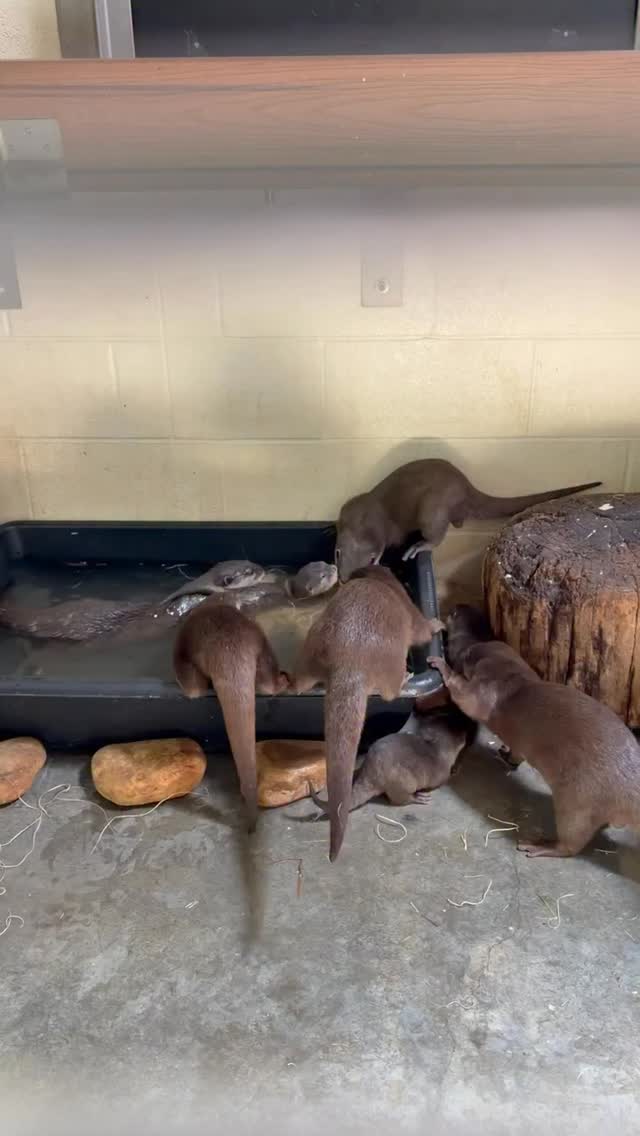
- The swimming abilities of Asian small-clawed otter pups and how they learn to swim.
- The social dynamics of otter families and their teaching methods.
- The role of water in the lives of otters and their adaptations to aquatic environments.
- Conservation challenges faced by otters and their habitats.
- The importance of wildlife education and public awareness in otter conservation.
The swimming abilities of Asian small-clawed otter pups are crucial for their survival. These pups do not emerge from the womb as adept swimmers. Instead, they must learn this essential skill from their parents. The process begins as soon as the pups are a few weeks old. At this stage, their curious and playful nature drives them toward the water, which they often approach with a combination of excitement and apprehension.
Initially, the pups may exhibit clumsy movements as they enter the water. Through regular practice and by watching their parents, they begin to understand the mechanics of swimming. An adult otter will frequently demonstrate the proper technique. This might include how to use their paws effectively and maintain buoyancy. Otter parents also take the time to engage their young in play, which provides a relaxed and enjoyable environment for learning. Over time, the pups build confidence and dexterity in the water.
The social dynamics of otter families play a significant role in this educational experience. Otters are known for their strong familial bonds, and this is evident in their teaching methods. Adult otters often take turns caring for and supervising pups, creating a communal effort to educate the young. This cooperative approach ensures that every member of the family contributes to the development of the pups.
In addition to swimming, pups learn hunting skills through observation. They acquire the techniques necessary to catch fish and other prey. Through trial and error, along with guidance from their parents, otters master these essential survival skills before they become independent.
The role of water in the lives of otters cannot be overstated. Otters are uniquely adapted to aquatic environments. Their streamlined bodies, webbed feet, and dense fur offer them exceptional abilities to navigate through water. These adaptations not only aid in swimming but also in hunting, as otters often dive to catch fish.
In addition to their physical adaptations, otters exhibit incredible agility in the water. Their ability to glide effortlessly allows them to pursue prey efficiently. This proficiency is vital, as they depend heavily on aquatic ecosystems for sustenance. The presence of clean, healthy waterways is also essential for the otter’s survival, as pollution and habitat degradation can significantly impact their food sources.
Conservation challenges abound for otters and their habitats. Habitat loss due to urban development, dam construction, and pollution presents a significant threat. Furthermore, Asian small-clawed otters, specifically, face pressure from illegal wildlife trade, which can decimate local populations.
Public awareness and education are essential in addressing these conservation issues. Zoos and conservation organizations play a key role in spreading awareness about the challenges otters face. Through educational programs, visitors can learn about the importance of preserving aquatic environments and the species that rely on them.
Engaging the public in wildlife conservation initiatives can foster a sense of responsibility toward protecting these appealing animals. Educational sessions can include live demonstrations, interactive exhibits, and talks from conservationists. These activities serve to inspire individuals to take action in their communities and advocate for policies that protect otters and their ecosystems.
Additionally, breeding and reintroduction programs can help replenish wild populations. These programs aim to create stable populations that can thrive in their native habitats. By understanding the reproductive behaviors and social structures of otters, conservationists can implement strategies that mimic natural conditions, thereby increasing the chances of success.
In summary, understanding the intricate lives of Asian small-clawed otter pups, from their swimming lessons to their social dynamics, emphasizes the importance of wildlife protection and education. The vulnerabilities these animals face in a rapidly changing environment underline the necessity for concerted conservation efforts. Public engagement and awareness are vital in inspiring action to safeguard otters and their habitats for future generations. Through informed actions, collective efforts can contribute to a healthier ecosystem, fostering a balanced coexistence between humans and wildlife.
*****
Source Description
Raise your hand if an older brother has ever thrown you into a pool! 🤚 The otter pups are getting more swim practice, whether they like it or not!
Even though they spend a LOT of time in the water, Asian small-clawed otter pups aren’t born knowing how to swim and actually have to be taught by their parents!
