
- Understanding the diversity of fish species and their adaptations
- Exploring the ecological roles of fish within aquatic ecosystems
- The importance of fish conservation and sustainable practices
- Insights into the management of aquatic environments in zoos
- Highlighting specific fish residents and their unique characteristics
Fish occupy various niches in aquatic ecosystems, showcasing a remarkable diversity in adaptations and behaviors. They play critical roles as predators, prey, and environmental indicators. Understanding their features offers insights into the intricate web of life they inhabit, and knowing these aspects is essential for effective conservation efforts.
In our aquatic ecosystems, fish have evolved in intriguing ways to survive and thrive. The sheer number of species, estimated to surpass 30,000, highlights their adaptability. From the brightly colored clownfish of coral reefs to the deep-sea anglerfish, each species comes with specialized traits. Some fish, like the pufferfish, possess the ability to inflate as a defense mechanism against predators. Others have developed camouflage, such as leaf fish, which can resemble the foliage of their natural habitats.
This incredible diversity is not just about survival; it points to millions of years of evolution. Each species has developed features that aid in their feeding, reproduction, and interaction with their environment. For instance, many fish have streamlined bodies that allow for swift movements through water. Gills allow them to extract oxygen effectively, a key adaptation that facilitates their survival in diverse environments—from flowing rivers to still lakes and vibrant coral reefs.
The ecological roles fish play are just as varied. They serve as important predators, helping to keep populations of smaller aquatic organisms in check. In turn, many fish species serve as prey for larger animals, including birds and mammals. The intricate balance within their ecosystems is vital for maintaining biodiversity. Additionally, fish contribute to nutrient cycling in aquatic environments. They assist in the breakdown of organic material and play a significant role in the overall health of their habitats.
Effective fish conservation is critical as many species face threats from habitat loss, pollution, overfishing, and climate change. The International Union for Conservation of Nature (IUCN) lists numerous species at risk. Conservation initiatives often focus on protecting habitats, restoring ecosystems, and implementing sustainable fishing practices.
To achieve successful conservation outcomes, education is key. Raising awareness about the challenges fish populations face encourages more responsible consumer choices, such as opting for sustainably sourced seafood. Organizations and aquatic institutions work tirelessly to implement educational programs highlighting the significance of protecting fish species and their environments.
Management in aquatic environments is crucial for the health and wellbeing of fish residents. Zoos and aquariums take on the responsibility of providing these species with adequate habitats that mimic their natural environments. Creating such habitats includes careful selection of water quality, temperature, and vegetation. For example, creating a living reef environment for clownfish involves the thoughtful arrangement of coral structures and live rock.
Facilities also pay significant attention to the social structures of various fish species. Some thrive in schools while others, like the solitary lionfish, prefer to live alone. Understanding these social dynamics is crucial for fostering healthy behaviors in captive populations. Staff training is vital for maintaining optimal conditions and addressing the needs of each species. This management is essential not just for animal welfare but also for educational purposes, showcasing the variety of life in aquatic ecosystems to the public.
As we introduce specific fish residents, it becomes clear just how fascinating and diverse these aquatic animals are. Take, for instance, the seahorse. Known for their unusual reproductive strategy—where males carry and nurture young—seahorses are captivating creatures. Their prehensile tails allow them to anchor themselves to vegetation, preventing drifting in currents.
Another fascinating resident is the angelfish. Their vibrant colors and distinct patterns serve both as camouflage and as a means of attracting mates. Angelfish inhabit coral reefs, where they play vital roles in maintaining the health of these ecosystems. Their feeding habits involve grazing on algae, helping to keep reef systems in balance.
The colorful poison dart frogs deserve mention, too, often living in freshwater environments near fish populations. Although they are not fish themselves, their interactions with their aquatic neighbors illustrate the interconnectedness of ecosystems. The decline of one species can have cascading effects on others.
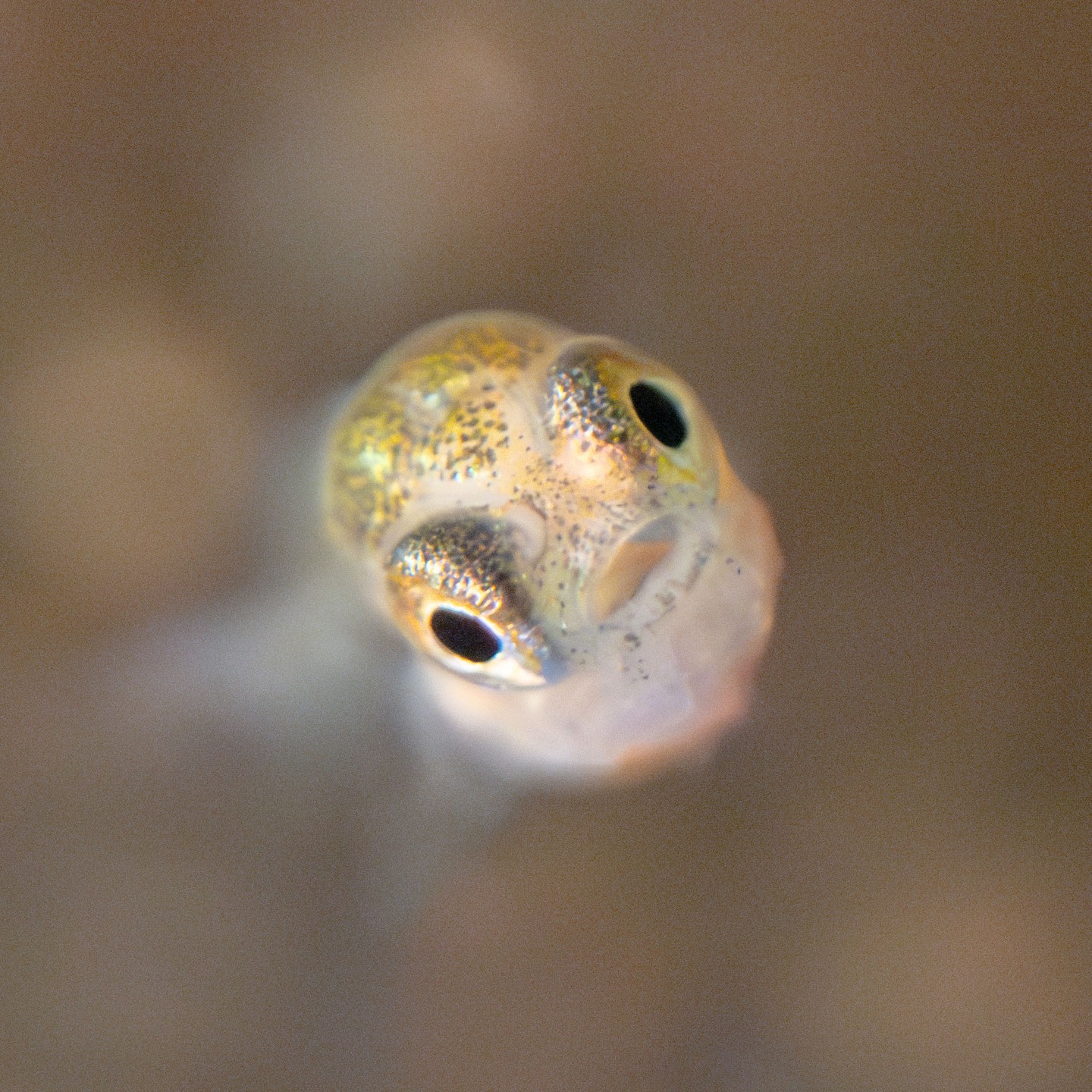
Fishy faces are more than just captivating images; they embody numerous ecological roles and adaptations. The aim of showcasing these residents goes beyond providing a visual experience. It invites people to appreciate the complexities of aquatic ecosystems. Understanding these relationships fosters a deeper respect for each species and its unique contributions.
With increasing awareness regarding the challenges these species face, conservation measures become more impactful. Special programs in zoos and aquariums not only aim to educate visitors but also advocate for broader sustainability practices. This includes partnerships with conservation organizations, restoring habitats, and implementing guidelines for responsible fishing.
Sustainable fishing practices also receive increasing attention within educational frameworks. Efforts aim to inform consumers about the benefits of supporting sustainable seafood markets. Such initiatives may involve labeling programs or community-supported fisheries, connecting consumers directly with sustainable sources.
In this context, research plays a vital role in advancing our understanding of fish populations. Tagging and tracking fish provide insights into migratory patterns and population dynamics. This data informs management decisions and conservation strategies.
Maintaining healthy fish populations requires collaboration among various stakeholders. Zoos, aquariums, conservation groups, researchers, and local communities all have vital roles to play in conservation efforts. Each partner brings unique resources and knowledge to the table, enhancing overall effectiveness.
Engagement and education remain paramount for fostering a sense of stewardship. Programs aimed at schools and community organizations focus on hands-on activities to promote understanding of aquatic ecosystems. Workshops, field trips, and interactive exhibits can inspire the next generation of conservationists.
Encouragingly, many species demonstrate surprising resilience, adapting to environmental changes where possible. Research has unveiled instances of certain fish adjusting their reproductive cycles in response to temperature changes. Such adaptability highlights the importance of understanding ecological dynamics, which can inform conservation measures.
Revisiting the specific fish residents emphasizes their roles as ambassadors for their kind. These fishy faces invite visitors to connect with the broader narrative of conservation. Through educational programming and direct experiences, visitors gain insight into the importance of preserving aquatic biodiversity.
Fish symbolize not just a significant component of global biodiversity but also a reflection of human activity’s impacts on the environment. Conservation becomes vital not only for the survival of specific species but also for maintaining the health of entire ecosystems.
Our fish residents encapsulate a journey of discovery and education in understanding aquatic life. Each fishy face tells a story of adaptation, survival, and the interconnectedness of all life forms. By promoting awareness and appreciation for these unique residents, we contribute to ongoing conservation efforts, securing a future for both fish and their habitats.
Continuous engagement in conservation education and practice enhances not only individual appreciation for fish populations but also collective advocacy. As we work towards a sustainable future, educating others about the importance of these aquatic residents remains essential. Every effort matters.
*****
Source Description
Here are some fishy faces. 🐡 Check out some of our residents up close. 👀
