
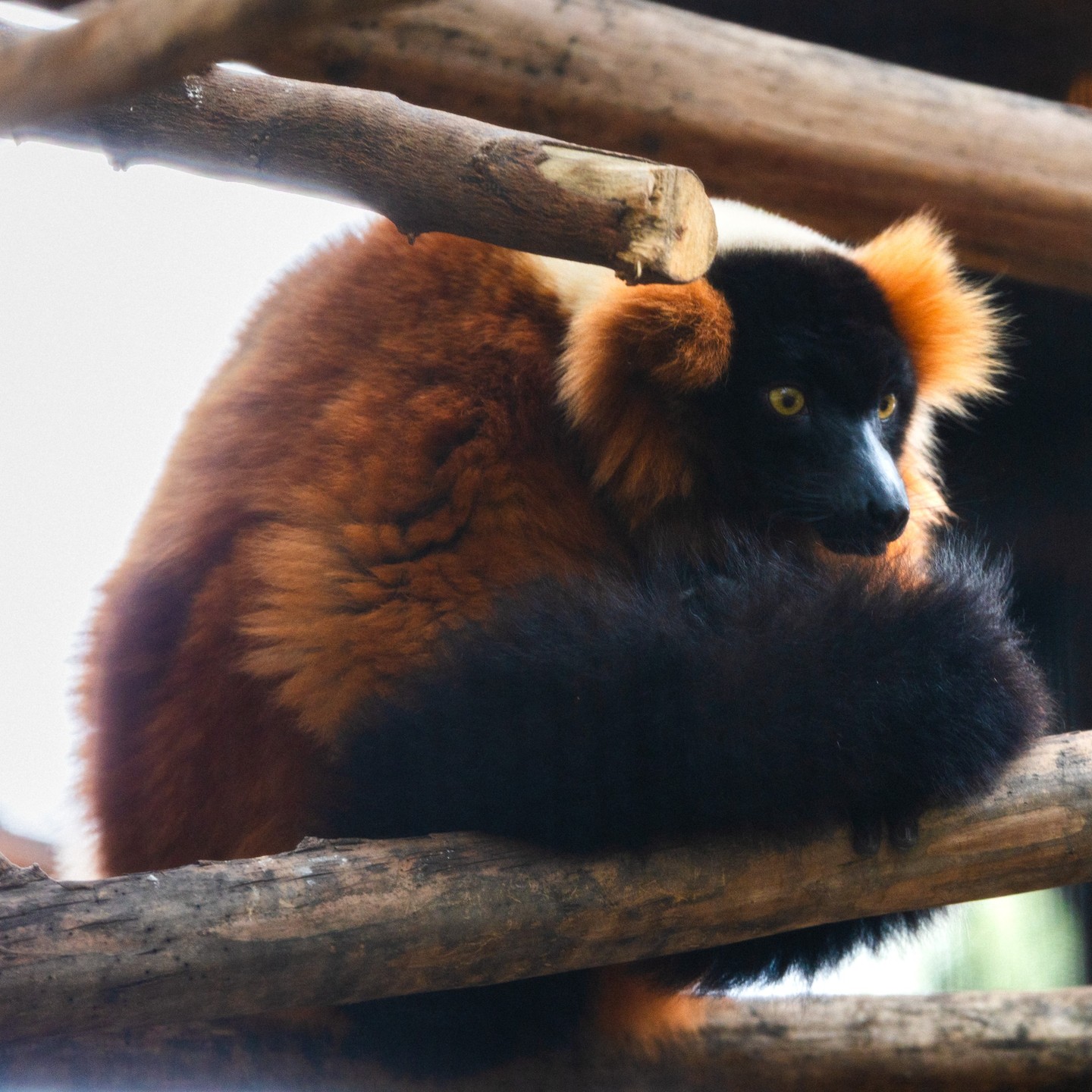
- Lemurs as Unexpected Pollinators
- The Role of Traveler’s Palm Trees
- Interconnected Ecosystems in Madagascar
- Conservation Efforts and Challenges
- The Importance of Biodiversity
Lemurs, often celebrated for their captivating behavior and social structures, serve a function that many may not immediately recognize: that of pollinators. Roaming the unique landscapes of Madagascar, lemurs play a significant role in the reproduction of various plants, particularly the traveler’s palm tree. These trees, known scientifically as Ravenala madagascariensis, thrive in the tropical climate of Madagascar and have developed an intricate relationship with the island’s native lemur species.
Pollination is a crucial ecological service that supports plant reproduction and, consequently, the food webs that rely on these plants. In Madagascar, lemurs contribute to this process in a surprising way. As they feed on the nectar from the flowers of traveler’s palm trees, pollen gets deposited on their dense fur. When these primates move from one flower to another, they inadvertently facilitate the transfer of pollen, allowing the plants to reproduce effectively. This mutualistic relationship is vital for maintaining the health of their ecosystems.
Traveler’s palm trees are not just significant because of their striking appearance, characterized by large, fan-like leaves. These trees are integral to Madagascar’s ecosystem and can grow up to 30 feet tall. They offer food, shade, and habitat not only for lemurs but also for numerous other species. The flowers of the traveler’s palm are adapted to attract specific pollinators, among which lemurs are key players. They efficiently transfer pollen while navigating the sweet nectar-rich flowers.
The ecological network of Madagascar is intricate and fragile. The lemur’s role extends beyond just pollination; they are also seed dispersers. After consuming fruits and flowers, these primates often move to different locations, leaving seeds behind in their droppings. This behavior supports plant diversity, which in turn creates habitats for various animal and insect species. The loss of lemurs due to habitat destruction and climate change could thus have cascading effects on their environment, detrimentally impacting plant populations and the animals that depend on them.
Conservation efforts in Madagascar are critical. The island is home to about 100 species of lemurs, many of which are endangered or critically endangered due to habitat loss, hunting, and the encroachment of agriculture. The urgency of these conservation initiatives cannot be overstated. Organizations and researchers are implementing strategies to protect both lemurs and the ecosystems they inhabit. Implementing sustainable agricultural practices and establishing protected areas are essential steps toward preserving these remarkable primates and the delicate balance of the ecosystems they support.
One notable aspect of conservation efforts is the collaboration between local communities and scientists. Engaging local people in conservation initiatives increases the likelihood of success. Understanding cultural values and integrating them into conservation efforts can promote sustainable practices. Education plays a crucial role in these programs, as people become more aware of the importance of biodiversity and ecologically stable habitats. This partnership fosters a sense of ownership, encouraging communities to protect their natural resources actively.
Biodiversity is essential for ecosystem stability. Every species, including lemurs, plays a role in maintaining ecological balance. The decline of one species can lead to unpredictable effects throughout the ecosystem. The focus on lemurs as pollinators highlights the interconnectedness of various species. It demonstrates the need for holistic approaches in conservation efforts. Protecting lemurs translates into protecting a wide array of plant species, thereby reinforcing the entire ecosystem.
The traveler’s palm tree and lemurs exemplify a remarkable ecological relationship. The plants depend on the animals for reproduction, while the lemurs benefit from the nutritional resources provided by the flowers. This elegance in nature illustrates the delicate balance and significance of every species. The vibrant local ecology relies on these interactions to flourish. As the world continues to grapple with issues related to biodiversity loss and climate change, understanding these relationships provides insights into effective conservation strategies.
Research into the specific pollination mechanisms utilized by lemurs continues to evolve. Various studies have shown that different species of lemurs exhibit unique foraging behaviors when interacting with flowers. This information is vital for conservationists working to protect both lemurs and the plants they pollinate. Examining seasonal changes in plant-pollinator interactions can also inform conservation timing and methods, guiding protective measures more effectively.
Collaborative research initiatives are underway to quantify the specific contributions of lemurs to the pollination of traveler’s palm trees. These studies often involve detailed observations and tracking of lemur movements in relation to their floral interactions. The results have the potential to influence conservation policy, acquiring funding and support for vital habitats. Protecting the intricate systems that support these species will require committed efforts from both the scientific community and the public.
Lemurs, with their significant role as pollinators, remind us of the importance of biodiversity. Madagascar’s flora and fauna are interconnected through complex systems of interaction and dependency. Highlighting such relationships is crucial for developing strategies that promote environmental stewardship. The more we understand these dynamics, the better equipped we are to protect not just lemurs but also the myriad species that rely on functional ecosystems.
Conservation challenges persist. Deforestation, driven by agriculture, logging, and urban expansion, poses a significant threat to the habitats of lemurs and traveler’s palm trees. Recognizing the urgent need for action, various organizations and governments are collaborating to establish wildlife corridors. These pathways facilitate lemur movement between fragmented habitats, ensuring genetic diversity remains intact and reducing the risk of inbreeding.
Sustainable tourism has gained traction as a means to support conservation efforts. By promoting eco-friendly travel that benefits local economies, this model empowers communities to value biodiversity. Tourists are drawn to Madagascar’s unique wildlife, including lemurs, thus creating opportunities for financial investment in conservation. In this way, the relationship between tourism and conservation can be mutually beneficial, promoting economic growth while safeguarding the environment.
Ultimately, the importance of lemurs as pollinators cannot be underestimated. They not only aid in the reproduction of traveler’s palm trees but also contribute to the broader tapestry of life that characterizes Madagascar’s ecosystems. As threats to biodiversity loom, understanding and promoting these relationships will be pivotal in ensuring the future health of our planet. Each species has a role to play, and every action taken to protect habitats contributes to preserving the intricate web of life that sustains us all.
Through addressing the conservation needs of lemurs and their vital roles, it becomes evident that preserving biodiversity is essential for the health of our environment. The interconnectedness between species and ecosystems is reflected in the behaviors and interactions of lemurs. In this regard, they symbolize the broader challenges and complexities that conservationists face. By promoting awareness and understanding of these relationships, we can work toward a more sustainable future for both wildlife and human communities.
Investing time and resources in research, education, and conservation initiatives will fortify the bonds between people and the important species with which they share their environment. Lemurs may be considered unexpected pollinators, yet their ecological significance underscores the broader implications of biodiversity loss. Recognizing the essential roles different organisms play can guide us in making informed decisions that ultimately benefit our planet.
*****
Source Description
It wouldn’t be without highlighting one of nature’s most unexpected pollinators: lemurs! 🌿🦠 In Madagascar, lemurs help traveler’s palm trees thrive by spreading pollen that gets on their dense fur from feeding on their flowers.
