
- Understanding Alligator Behavior and Diet
- The Role of Wildlife Keepers in Animal Care
- Conservation Efforts for Alligators
- Risks Associated with Feeding Wild Alligators
- Best Practices for Wildlife Education and Engagement
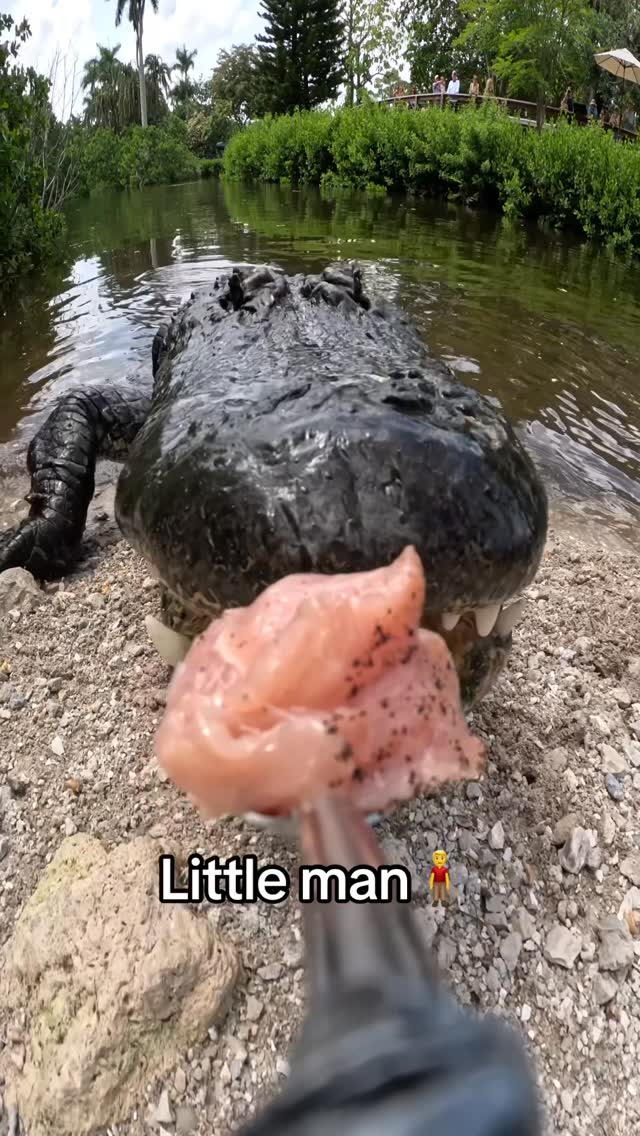
Snack time for alligators can be more than just a routine; it’s a captivating window into their behavior and the dedicated efforts required to keep them healthy. Alligators are fascinating reptiles that inhabit wetlands and waterways across the Southeastern United States. Their diet, behavior, and the critical role played by wildlife keepers are essential for anyone interested in these remarkable creatures.
Understanding Alligator Behavior and Diet
Alligators are opportunistic feeders, meaning they will consume whatever prey is readily available in their environment. In the wild, they primarily eat fish, amphibians, birds, and small mammals. As they grow larger, their diet shifts to include larger prey, including deer. This adaptability in feeding habits allows them to thrive in various habitats.
During the feeding process, alligators employ a technique known as "the death roll," where they twist their bodies to subdue prey. This behavior is not only critical for capturing food but is also an exquisite display of their physical strength. The awareness of what and how these animals eat helps caretakers provide a balanced diet while ensuring they meet the nutritional needs of each alligator based on its age and size.
Feeding time, or snack time as it may be called in a zoo setting, becomes a learning opportunity. Watching how alligators interact with their food can reveal details about their health and behavioral tendencies. For instance, a lethargic response to food might signal health issues. Hence, understanding alligator behavior during feeding is vital for both animal care and education.
The Role of Wildlife Keepers in Animal Care
Wildlife keepers serve a crucial function in managing the health and wellbeing of alligators in captivity. They undergo rigorous training to learn about animal behavior, dietary needs, and habitat requirements. This knowledge is critical, especially during feeding, as the actions performed by trained personnel can impact the safety of both the alligator and themselves.
During the feeding process, keepers often employ tools such as feeding tongs to maintain a safe distance from the animal, allowing them to observe while minimizing the risks associated with being too close to a large predator. Various techniques can be employed to stimulate the alligators’ natural hunting behaviors, further enhancing their quality of life.
Wildlife keepers not only administer food but also monitor the overall health of each animal. Performing health assessments requires keen observation of the physical condition, behavior patterns, and any signs of distress. Such jobs are essential in environments where animals may not exhibit obvious signs of illness until later stages.
Additionally, keepers take part in educational outreach, explaining the importance of alligator conservation to visitors. Through informative sessions and feeding demonstrations, they aim to instill a sense of respect and appreciation for these reptiles and the ecosystems they inhabit.
Conservation Efforts for Alligators
Alligators were once on the brink of extinction due to extensive hunting and habitat loss. Conservation efforts have helped stabilize their populations. Organizations and wildlife agencies have implemented various strategies, including habitat restoration and legal protections, to aid these creatures in their natural environments.
Conservation programs now focus on educating the public on the importance of alligators to their ecosystems. Alligators play a key role as apex predators, maintaining the health of aquatic ecosystems by controlling populations of prey species. This balance contributes to biodiversity, which is essential for robust ecosystems.
In addition to habitat preservation, regulated hunting has been established in certain areas to manage populations effectively. Sustainable hunting practices ensure that populations remain stable while allowing for economic benefits through regulated hunting licenses and tourism.
Efforts are in the works to monitor alligator populations rigorously. Tracking their movements through tagging and telemetry allows researchers to gain insights into their behavior and habitat usage. This data plays a crucial role in shaping future conservation strategies and ensures the species remains a vital component of its ecosystem.
Risks Associated with Feeding Wild Alligators
Feeding wild alligators is both illegal and dangerous. While some may be tempted to toss food into the water to observe them, this practice poses risks to both humans and alligators. When alligators associate humans with food, it can lead to aggressive behavior, impacting their chances of survival in the wild.
Alligators that have been fed by humans may become reliant on this food source, leading to a decrease in their natural foraging instincts. Over time, they may venture into human-populated areas, increasing the risk of dangerous encounters. In many states, it is illegal to feed these animals due to the threat it poses to their natural behaviors.
Education is crucial in discouraging the feeding of wild alligators. Understanding the ecological ramifications of altering natural behaviors creates a better environment for both species involved. Encouraging local communities to participate in conservation efforts helps foster a sense of responsibility toward these reptiles.
Best Practices for Wildlife Education and Engagement
Wildlife parks and zoos provide invaluable opportunities for people to engage with alligators in a controlled and informative setting. These organizations implement feeding programs that demonstrate healthy interactions between humans and alligators. Experts use these opportunities to educate visitors about the importance of respecting wildlife and the significance of conservation.
Engaging storytelling supplemented with accurate information helps foster a love for wildlife. Using interactive exhibits and live demonstrations allows visitors to appreciate the complexity of animal care without compromising safety. Not only do these experiences foster an understanding of animal behaviors, but they also highlight the vital roles that wildlife keepers play.
Programs that include behind-the-scenes tours offer insights into the day-to-day operations involved in caring for alligators. Visitors can witness firsthand how careful planning, observation, and engagement come together to support the health and welfare of these remarkable reptiles. It’s through such experiences that people develop a deeper respect for wildlife and an understanding of conservation efforts required to protect them.
Snack time for alligators, observed in settings like zoos, serves as more than just a spectacle; it represents a convergence of animal behavior, wildlife management, and public education. Understanding all aspects of alligator care—from dietary needs to social responsibility—can foster a culture of conservation. Zoo professionals are dedicated to ensuring these magnificent reptiles are not only cared for but also understood. The relationship between alligators and their environment hinges on education and respect, serving as a foundation for ongoing conservation efforts.
Engagement in all levels—whether it’s feeding time, educational outreach, or advocacy—plays a pivotal role in shaping the future of alligators in the wild. Through these collective efforts, humans can create a harmonious coexistence that respects the needs of all creatures and the ecosystems they inhabit.
*****
Source Description
Snack time! 🐊 (The actions in this video were performed by our trained keeper. Never attempt to feed wild alligators.)
