
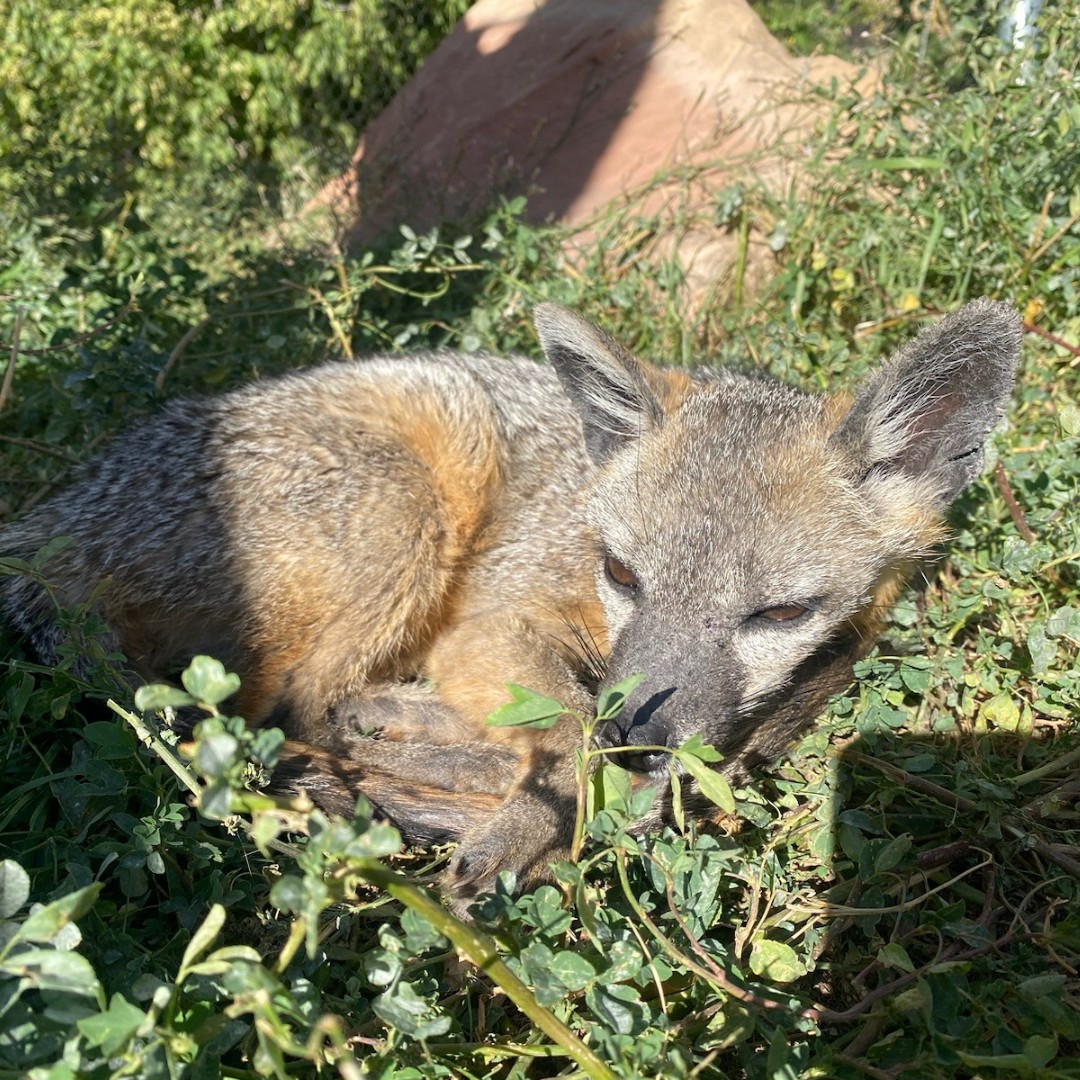
- Juniper’s life story and medical challenges
- The role of zoos in wildlife conservation
- Understanding gray foxes and their ecological significance
- The importance of animal care and veterinary practices in zoos
- Community engagement and the impact of individual animals
Utah’s Hogle Zoo has shared the poignant news regarding the loss of Juniper, a female gray fox who passed away on June 5, 2025. Born with congenital hydrocephalus, Juniper faced numerous health challenges throughout her life. The condition, characterized by the abnormal buildup of cerebrospinal fluid in the brain, resulted in significant visual impairment, requiring specialized attention and care from a dedicated team of animal keepers and veterinarians.
Congenital hydrocephalus is a rare condition, particularly in wildlife. Animals like Juniper can lead fulfilling lives despite various disabilities, especially when provided with exceptional care. This circumstance allowed her to embody resilience and adaptability, traits that have touched the hearts of visitors and caregivers alike. Nevertheless, growth in her condition led to complications that severely impacted her immune system and general health. The decision to humanely euthanize Juniper was taken with profound care, focusing on her comfort and quality of life.
Juniper’s gentle nature stood out. Described as sweet, curious, and determined, she became a beloved resident of the Wild Utah exhibit at Hogle Zoo. Here, she left a lasting impression on everyone who engaged with her. Her story resonates with many, reminding people of the potential and tenacity of animals that often face challenging circumstances.
The role of zoos in wildlife conservation is increasingly vital. Zoos today serve as institutions that not only display animals but also undertake crucial efforts in studying and conserving endangered species. They provide habitats for animals, engage in breeding programs, and develop educational programs to inform visitors about wildlife conservation. Hogle Zoo plays an integral part in these efforts, emphasizing the need for ethical and effective management practices. The story of animals like Juniper illustrates the real-life challenges faced by wildlife, necessitating ongoing education about their conservation needs.
Understanding the gray fox, as a species, also contributes to discussions surrounding conservation. Gray foxes (Urocyon cinereoargenteus) are adaptable animals, found in diverse habitats across North America. Their natural adaptations include semi-retractable claws, allowing for excellent climbing abilities, making them somewhat unique among canids. Unlike other fox species, gray foxes are known to climb trees, providing essential insight into their behavior and habitat preferences.
These foxes play a critical ecological role by managing rodent populations and contributing to the balance of their ecosystems. As omnivores, gray foxes consume fruits, insects, and small mammals, offering benefits that ripple throughout local food webs. Understanding their ecological importance can foster better conservation strategies, emphasizing the need to preserve their habitats against urban encroachment and habitat destruction.
Animal care in zoos encompasses more than mere feeding and exhibit maintenance. Teams undergo ongoing training in ethology, physiology, and nutrition to ensure that resident animals live meaningful lives. Veterinary practices are pivotal in this context, as health assessments and routine monitoring help prevent severe medical issues from developing, ensuring that animals like Juniper receive early interventions when necessary.
Veterinary staff conduct health evaluations, managing conditions like Juniper’s with a judicious balance of medical intervention and enrichment strategies that promote psychological well-being. This balanced approach recognizes the fundamental needs of animals in human care, creating environments where they can thrive despite their challenges. In Hogle Zoo’s case, Juniper’s care team went above and beyond to create a nurturing experience, enriching her environment with activities that stimulated her mentally, despite her limitations.
Community engagement forms another essential facet of Hogle Zoo’s mission. Animals like Juniper serve as living connections to broader conservation efforts, drawing visitors to learn about ecosystems and the challenges wildlife face. Community-driven initiatives that involve conservation efforts, educational outreach, and vocational opportunities inspire a culture of stewardship for the natural world. The stories of animals such as Juniper intersect with individuals’ experiences at the zoo, fostering a sense of personal responsibility for wildlife conservation.
In conclusion, while Juniper’s passing is deeply felt, it also highlights the significant work that zoos contribute to animal welfare and species conservation. The intricate relationship between animal care staff and the animals they manage is vital for promoting the physical and emotional health of wildlife in captivity. By sharing Juniper’s story, Hogle Zoo emphasizes the importance of compassion and resilience in the face of adversity, reminding us all of our role in protecting and caring for the wildlife that share our planet.
*****
Source Description
Utah’s Hogle Zoo is saddened to announce the loss of female gray fox, Juniper, who passed away on June 5, 2025, surrounded by her loving care team.
Juniper was born with a condition called congenital hydrocephalus, which causes a buildup of fluid around her brain. Due to this condition, she lost most of her eyesight and required high levels of specialized care. In recent weeks, Juniper’s condition progressed quickly, leading to complications with her immune system and overall health, resulting in a significant decline in her quality of life. With her wellbeing as the top priority, we made the difficult but compassionate decision to humanely euthanize her.
Described by her care team as sweet and gentle, curious and determined, brave and resilient, Juniper was a great example of what animals are capable of overcoming when given a second chance, plenty of patience, and a lot of love. 💛
Juniper was a beloved member of the Wild Utah exhibit and the Hogle Zoo family. She left a lasting impression on all who cared for her and visited her. We are deeply grateful to the staff, volunteers, and guests who took the time to connect with her—she was a special part of many zoo visits and memories. Juniper will be deeply missed by her animal care team and the entire community who loved her.
