
Summary of Houston Zoo Prepares for Winter Storm Fern:
The Houston Zoo will close from Saturday, January 24 through Monday, January 26 due to freezing temperatures and icy conditions. Guests with tickets can reschedule by emailing group.reservations@houstonzoo.org. The zoo is preparing animal areas and grounds for the extreme weather, with a dedicated staff on-site for the weekend. Animal well-being is prioritized with heated buildings, indoor access, extra bedding, and additional hay. Sensitive plants are protected, and generators are ready for backup power. Food supplies are well-stocked, with fresh produce increased by 30-40% to maintain up to a week’s supply.
- Houston Zoo’s comprehensive winter storm preparedness ensures the welfare of animals and staff during severe conditions.
- Specific protocols tailored to individual species highlight adaptive zoological management practices.
- Infrastructure and resources, including heated shelters and backup power, are vital to maintaining animal habitats.
- Strategic food supply management mitigates disruption during weather events.
- Dedicated staff play a critical role in executing emergency plans and maintaining essential operations.
As the Houston Zoo braces for Winter Storm Fern, the institution’s comprehensive approach to safeguarding its animals and staff during extreme weather conditions becomes evident. The zoo will temporarily close from Saturday, January 24 through Monday, January 26, due to anticipated freezing temperatures and icy roads, demonstrating the zoo’s commitment to safety. This brief closure symbolizes deeper ongoing efforts to ensure readiness through detailed planning and resource management.
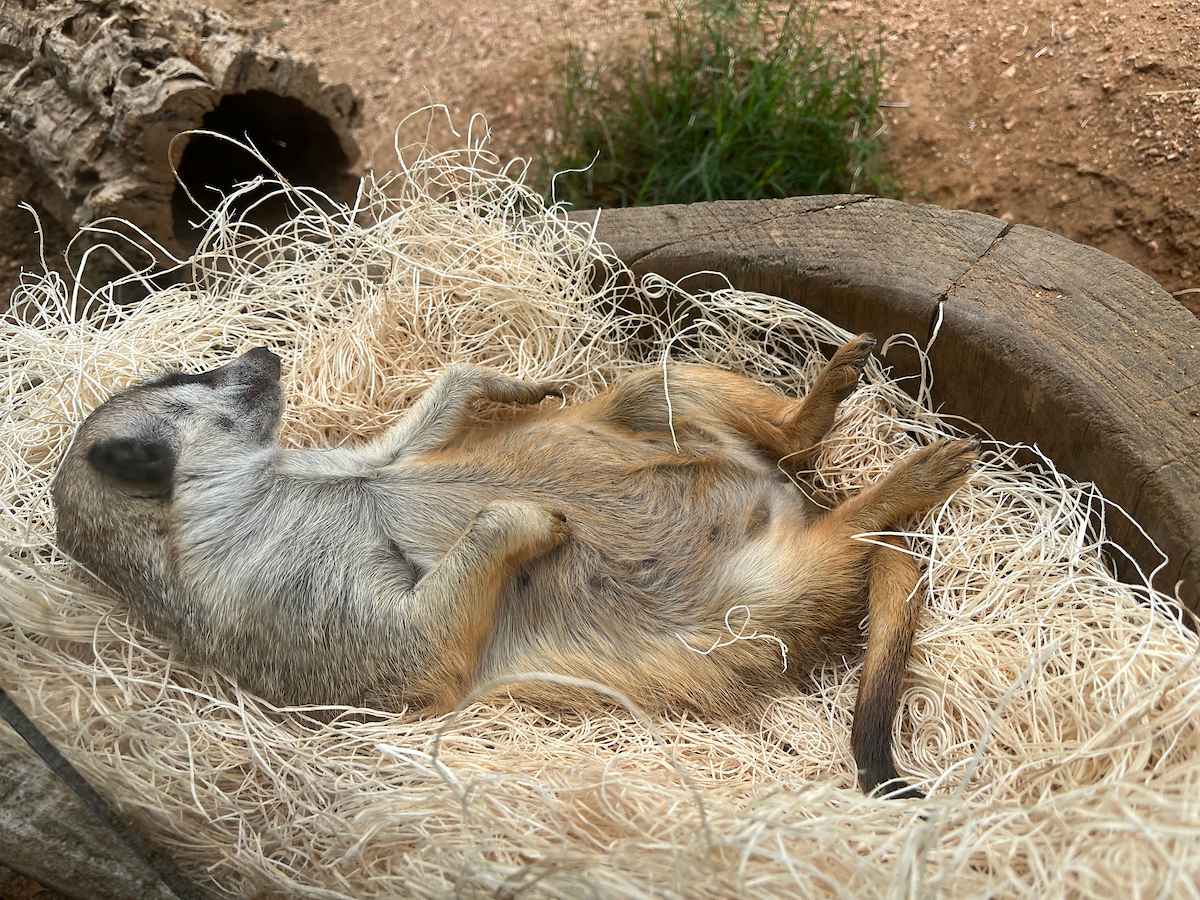
Each species at the zoo benefits from targeted care strategies, emphasizing a holistic approach to zoological management. Animal care teams develop specialized protocols tailored to various species’ unique physiological and behavioral needs. Heaters are installed in animal buildings, barns, and night houses to maintain a suitable environment. These facilities are designed to withstand harsh weather, offering animals choices to remain comfortable with access to cozy indoor spaces, extra bedding, and additional hay. A proactive focus on animal comfort supports both physical health and psychological well-being.
Infrastructure at the Houston Zoo is a cornerstone of its weather preparedness strategy. All animal habitats are equipped with robust heating systems, and strategic positioning of generators ensures backup power is available if necessary. This infrastructure not only supports animal welfare but also underpins consistent zoo operations during emergencies. Additionally, the zoo protects sensitive plants with appropriate coverings to maintain the integrity of its extensive biodiversity.
Maintaining a consistent food supply amidst winter challenges requires meticulous planning and adaptation. The zoo’s strategy includes stocking shelf-stable foods well in advance, providing the flexibility needed during adverse conditions. Fresh produce inventory is increased by approximately 30–40 percent above typical levels, ensuring a week’s supply is readily available. Deliveries are carefully monitored and adjusted as needed to avoid disruptions, accounting for potential impacts both locally and along supply routes.
A dedicated team of staff remains onsite throughout the winter storm to implement these preparations effectively. Their presence guarantees that adaptive measures can be made promptly, securing both animal welfare and organizational continuity. These efforts speak to the zoo’s unwavering dedication to excellence in animal care, even under challenging circumstances.
The Houston Zoo demonstrates a clear commitment to proactive planning and adaptive management. By addressing the specific needs of each species and maintaining essential resources, the zoo ensures the safety and comfort of its inhabitants during Winter Storm Fern. This approach highlights the critical role that effective management practices play in wildlife conservation and education, both ensuring the care of existing animal populations and laying a foundation for future zoological stewardship.
