
Summary of Winter Weather Closures – Cincinnati Zoo & Botanical Garden:
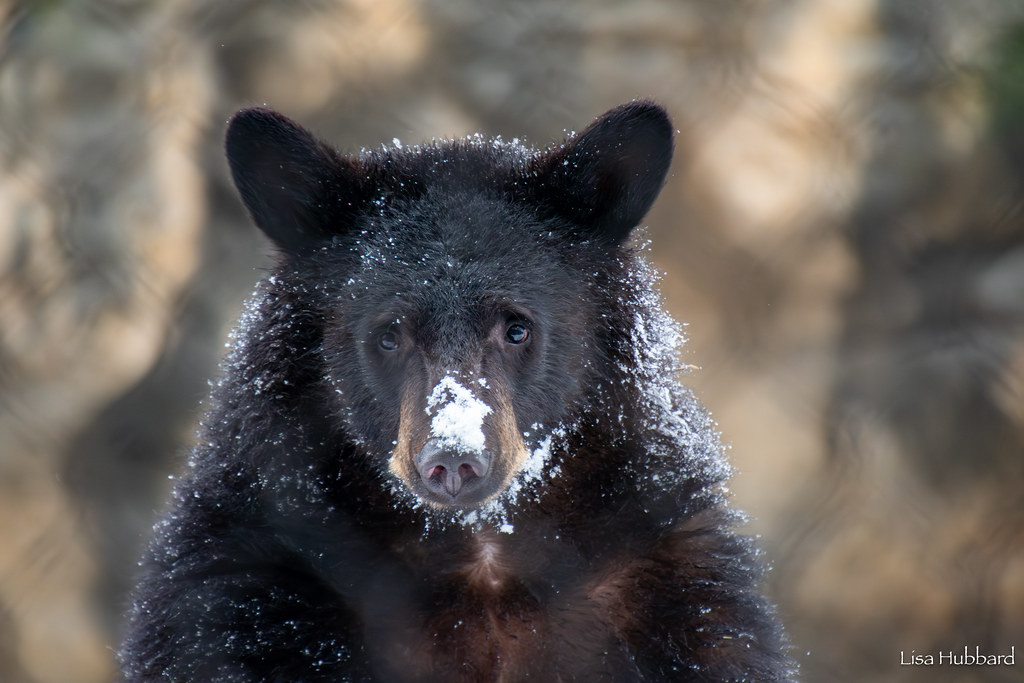
The Cincinnati Zoo & Botanical Garden will close early at 3 PM on Saturday, January 24, due to winter weather and will remain closed on Sunday, January 25, and Monday, January 26. It is scheduled to reopen at 10 AM on Tuesday, January 27. Animal care staff will stay overnight to take care of the animals during the closure. Links to winter animal photos and a video are also provided.
- Importance of Winter Weather Closures for Animal Welfare
- Operational Challenges Faced by Zoos During Severe Weather
- Responsibilities of Animal Care Staff During Winter Closures
- Significance of Public Engagement in Wildlife Conservation
- Resources Available for Educating the Public on Winter Conditions
Winter weather can be a significant factor affecting the operations of facilities like the Cincinnati Zoo & Botanical Garden. The severe cold, heavy snowfall, and icy conditions can pose numerous challenges that require thoughtful preparation and action to protect both the animals and staff. In light of this, the Cincinnati Zoo announced early closures due to winter weather, emphasizing their commitment to animal welfare while navigating operational issues that arise during these harsh conditions.
In times of adverse weather, the welfare of the animals housed within a zoo becomes the foremost priority. The decision to close the Cincinnati Zoo at 3 PM on January 24, and to remain closed for additional days after, reflects an essential consideration in zoological management. Zoos are not only entertainment hubs but also sanctuaries dedicated to the well-being of their residents. Cold temperatures can affect the health and behavior of animals, particularly species that are not naturally adapted to cope with such weather. By closing the zoo, staff minimizes risks and allows for concentration on the animals’ needs.
Operational challenges during severe winter weather require prompt and effective responses. Zoos must consider various aspects, such as staff safety, animal health, and maintenance of habitats. In inclement weather, ensuring the safety of employees is crucial. Every team member plays an essential role, and a significant snowfall can make travel hazardous. The Cincinnati Zoo’s decision to close enables staff to avoid risks while maintaining focus on animal care.
The animal care team holds specific responsibilities during winter closures. They trained professionals skilled in animal behavior and health, who remain on-site even when the zoo is closed to the public. Keeping the animals comfortable and safe during extreme weather is vital. This includes monitoring temperature levels in indoor enclosures, providing adequate bedding and heat sources, and ensuring proper nutrition to boost immune systems weakened by cold weather. The presence of care staff overnight during the winter weekend closures signifies a dedicated approach to animal welfare, reinforcing the zoo’s commitment to providing the best living conditions for its inhabitants.
Public engagement plays a significant role in wildlife conservation efforts, especially during winter weather closures. While the zoo may be closed to the public, the organization utilizes various platforms to keep visitors informed and engaged. For instance, the Cincinnati Zoo shared links to winter animal photos and videos, encouraging an ongoing relationship between the institution and the public. By providing visual content, zoos can raise awareness about the unique adaptations animals possess to survive in the cold.
This proactive communication strategy helps cultivate interest in wildlife and the importance of conservation. Photos and videos allow individuals to appreciate the beauty and resilience of winter animals, creating a deeper connection between the public and the species they may encounter at the zoo. Such outreach efforts serve as valuable educational resources, fostering an understanding of how severe weather impacts both wild and captive populations.
In addition to showcasing animals, relevant educational materials about animal behavior during winter can be highlighted. Zoos often develop lesson plans, infographics, and webinars that outline survival strategies of various species in colder climates. This kind of information equips the public with knowledge about the critical role that environmental conditions play in wildlife conservation. Observing how animals adapt to seasonal changes offers insight into broader ecosystem dynamics, reinforcing the necessity of preserving habitats and managing wildlife sustainably.
Monitoring animal behavior in winter conditions is also integral for effective management practices. Zoologists and animal behaviorists study how various species thrive in harsh climates, observing natural instinctual behaviors such as foraging and shelter-seeking. This knowledge is not only vital for designing appropriate enclosures, but it is also fundamental for developing species-specific care regimes. Understanding these behaviors enables zoo staff to create environments that mimic natural habitats, addressing the needs of both terrestrial and aquatic animals.
Learning from animals during the winter months provides invaluable insights into their health and well-being. For instance, some animals may exhibit more lethargic behavior due to lower temperatures or reduced daylight. Adaptations, such as changing fur thickness or behavioral modifications like huddling, are essential observations in understanding how animals cope with cold stress. By studying these behaviors and conditions, researchers can better support animal health and conservation efforts.
In conclusion, the Cincinnati Zoo & Botanical Garden’s approach to winter weather closures embodies a strong commitment to animal welfare, operational responsiveness, and public engagement. Such closures allow for the safety of personnel while maintaining a focus on the health of residents. Animal care staff play a crucial role in ensuring that the needs of animals are met even during severe weather conditions. The combination of community engagement through educational resources and practical care practices highlights the importance of zoos in fostering a better understanding of wildlife and ecology.
The Cincinnati Zoo’s organizational strategies during winter weather closures serve not only to protect its animals but also to educate the community about the broader implications of seasonal changes on wildlife. By leveraging the expertise of animal care professionals and harnessing the power of digital media for engagement, the institution reinforces its mission of wildlife conservation and public education. This approach is essential for encouraging future generations to appreciate and protect the natural world. The vital lessons learned during winter closures continue to inform zoo management practices and inspire a culture of stewardship, ensuring that wildlife conservation remains a priority in every season.
