
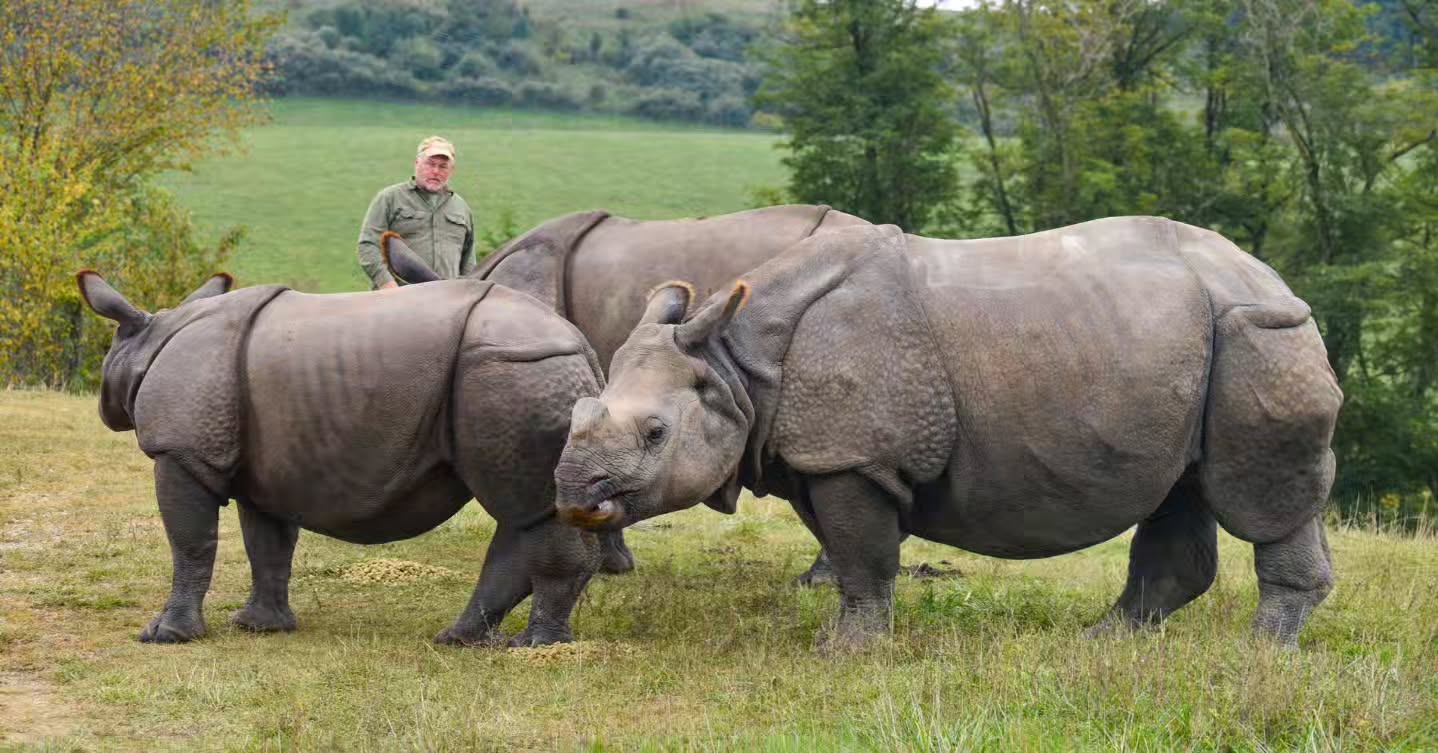
- The physical characteristics and behavior of the Indian rhino
- Habitat preferences and distribution across India and Nepal
- Conservation status and key threats to the Indian rhino population
- The role of sanctuaries and reserves in rhino conservation efforts
- Cultural significance and challenges in human-rhino coexistence
The Indian rhino, scientifically known as Rhinoceros unicornis, is one of the largest species of rhinos in the world and is easily recognizable due to its distinct physical features. They possess a thick, armor-like skin that appears to be covered with large folds, giving them a unique appearance. Adult Indian rhinos typically weigh between 2,200 to 2,900 kg and stand about 1.75 to 2 meters tall at the shoulder. Their singular horn, which can grow up to 25 inches long, is made of keratin—like human hair and nails.
Behaviorally, Indian rhinos are generally solitary creatures, although they can often be found in groups, specifically females with their young. These rhinos are herbivores, primarily consuming grasses, leaves, and fruit. Their large size necessitates a substantial amount of food intake; an adult Indian rhino can eat up to 200 kg of vegetation in a single day. They are also known for their semi-aquatic lifestyle, often seen wallowing in mud and water to keep their skin cool and protect it from parasites. The wallowing behavior also plays a crucial role in their social structure, as it helps in communication through scent marking.
The natural habitat of the Indian rhino comprises the grasslands and riverine forests of India and Nepal. Although they can adapt to various environments, they predominantly inhabit areas with tall grasses and sufficient water sources. Key regions include the Kaziranga and Manas National Parks in Assam, as well as the Chitwan National Park in Nepal. Unfortunately, much of their habitat has been fragmented due to human activities such as agricultural expansion and urban development, making their conservation even more critical.
The conservation status of the Indian rhino has evolved over the years. According to the International Union for Conservation of Nature (IUCN), Indian rhinos are classified as “Near Threatened,” with an estimated population of about 3,700 individuals. This number has seen an upward trend, largely due to concerted conservation efforts. However, they still face significant threats, including poaching for their horns, habitat loss, and clashes with human settlements. The demand for rhino horn, primarily driven by traditional medicine practices in some Asian cultures, poses a critical risk to their survival.
Wildlife sanctuaries and national parks play an essential role in protecting the Indian rhino population. In Kaziranga National Park, for example, rigorous anti-poaching measures, community engagement, and habitat management strategies have led to a remarkable rebound in rhino numbers. Park authorities are supported by various organizations that help with funds and training for local law enforcement to combat poaching. Additionally, community programs that promote ecotourism offer locals an economic incentive to preserve wildlife rather than exploit it.
Cultural significance also surrounds the Indian rhino, which is not only a national symbol of India but also features prominently in local folklore and traditions. The rhino’s formidable presence is often celebrated in art and literature. However, the challenges of human-rhino coexistence cannot be overlooked. Conflicts arise, particularly as human populations encroach into traditional rhino habitats. Crop damage and territorial disputes can lead to negative attitudes toward these magnificent animals.
Policymakers and conservationists are increasingly advocating for integrated approaches that promote coexistence. Collaborative efforts between local communities and wildlife organizations focus on reducing conflicts, emphasizing the importance of maintaining biodiversity. Education programs aim to raise awareness about the ecological value of the Indian rhino, encouraging stewardship among residents.
In summary, the Indian rhino (Rhinoceros unicornis) stands as both a testament to India’s rich wildlife heritage and a critical focal point for conservation efforts in the region. With a combination of effective management in protected areas, community engagement, and ongoing education, the future looks promising for this iconic species. Yet, continued vigilance is key to tackling the threats that persist. Vital collaborations will be necessary to ensure that the Indian rhino can thrive in its natural habitat while promoting the welfare of communities that share the landscape with these majestic creatures.
*****
Source Description
Indian rhinos (Rhinoceros unicornis) 📷 @ @visitthewilds
