
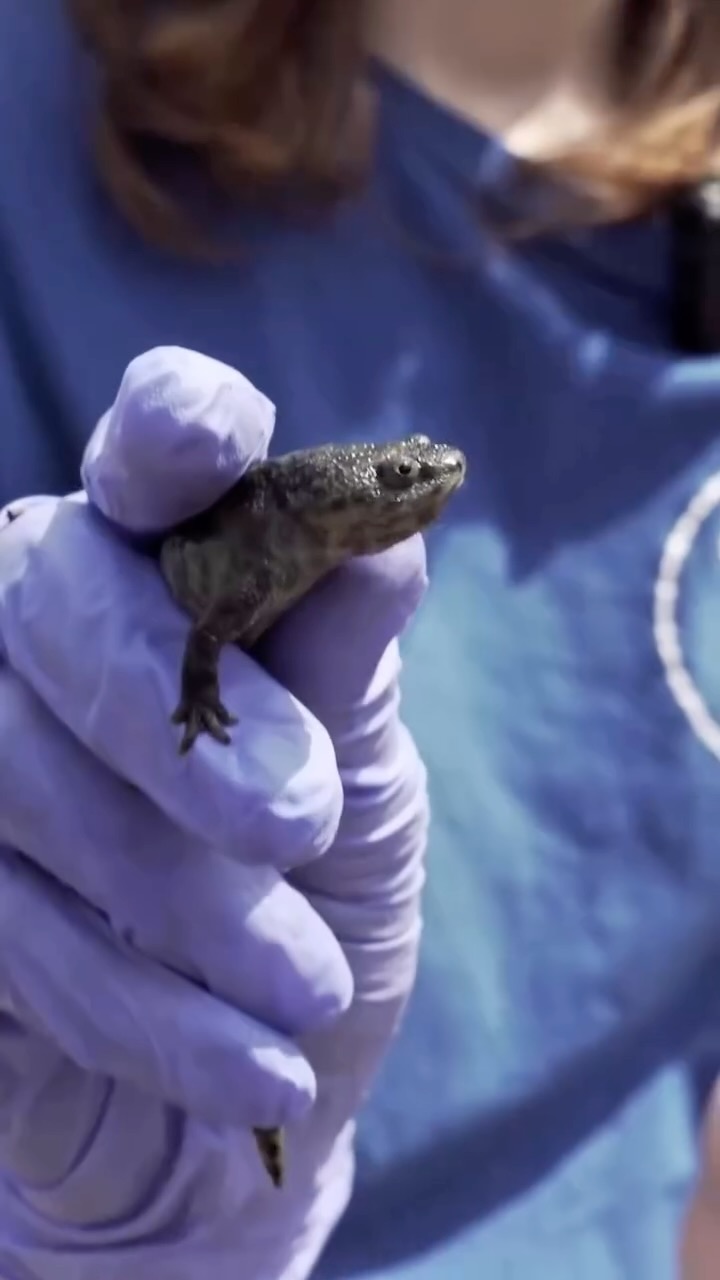
- Introduction of 150 gallipatos into the restored pond in Sierra Calderona as a key conservation effort.
- Details on controlled breeding programs that bolster vulnerable species populations.
- Collaborative efforts involving various organizations to support biodiversity.
- Comparison with head-starting efforts in marine turtles and local species conservation.
- Importance of habitat restoration and environmental partnerships in enhancing ecosystem resilience.
The introduction of 150 gallipatos into the restored pond in Sierra Calderona marks a significant moment in conservation efforts. These small amphibians, raised under controlled conditions as part of a population reinforcement program, now have a vital role in revitalizing their vulnerable species. This initiative underscores the collaborative work with the Generalitat Valenciana, Parc Natural Serra Calderona, and numerous other organizations, ensuring the gallipatos have a suitable environment to thrive. This effort draws parallels to the “head-starting” methods used in marine turtle conservation, emphasizing how controlled breeding enhances species survival and contributes to ecosystem diversity.
The gallipato, or Pleurodeles waltl, is a type of salamander native to the Iberian Peninsula and parts of Morocco. Due to habitat loss, climate changes, and pollution, its populations have been steadily declining. The release of these 150 individuals into a safeguarded environment is a critical step toward bolstering their numbers. The breeding program carefully monitors their growth and development, enhancing their survival odds once they are reintroduced into the wild. By observing their adaptation to the new environment, scientists gather valuable data to refine future conservation strategies.
Central to this initiative is a network of partnerships. The Generalitat Valenciana, Parc Natural Serra Calderona, and organizations like the Centro Acuícola de El Palmar and Ford Spain play instrumental roles in this project. Their collective expertise and resources help maintain the restored habitats essential for the survival of these amphibians. The cooperation illustrates the importance of joint environmental efforts in overcoming challenges faced by individual species and entire ecosystems. Enhancing biodiversity in areas like Sierra Calderona not only aids the gallipato but also strengthens the ecological fabric of the region.
An essential component of this endeavor is the similarity to the “head-starting” projects implemented for marine turtles. In these scenarios, hatchlings are raised in a controlled environment until they are robust enough to fend for themselves in the wild. This technique has proven successful in significantly increasing survival rates post-release. Adapting this method for local species like the gallipato demonstrates its versatility and effectiveness. It highlights the value of innovative approaches in conservation science that blend traditional knowledge with modern techniques.
The project also shed light on the essential role of habitat restoration in conservation efforts. The pond in Sierra Calderona has been specially modified to support the life cycle of the gallipato, demonstrating how targeted environmental restoration can invigorate biodiversity. Such efforts rely heavily on the understanding of the specific ecological requirements of species. Creating a conducive environment ensures that these amphibians have the best chance of survival and reproduction, paving the way for long-term habitat stabilization and increased biodiversity.
Through a blend of education and awareness, this project aims to engage local communities and promote sustainable practices. Public involvement and support are crucial for the success of such initiatives. Awareness campaigns help people understand the significance of biodiversity and conservation work. This empowerment and encouragement lead to broader public participation and investment in environmental protection, benefiting local ecosystems.
Evaluation of the project’s success goes beyond the immediate survival of the released gallipatos. Scientists and conservationists measure long-term impacts through continuous monitoring and research, assessing the reintroduction’s effects on the ecosystem’s health and stability. This data-driven approach ensures that strategies can be adjusted and improved upon, setting a framework for future conservation projects.
In summary, introducing 150 gallipatos to the restored pond in Sierra Calderona is more than an isolated event; it represents a multifaceted approach to conservation. By connecting controlled breeding, habitat restoration, and community engagement, this initiative illustrates a comprehensive method to tackle biodiversity loss. The collaborative nature of the project exemplifies the power of partnerships in achieving ecological goals, ultimately benefiting not just one species but the entire ecosystem.
*****
Source Description
✨ Introducimos a 150 gallipatos nacidos en en la charca restaurada en Sierra Calderona durante el
🌊 Estos pequeños anfibios, criados en condiciones controladas dentro del programa de refuerzo poblacional de la ahora forman parte activa de la recuperación de esta especie vulnerable en su hábitat natural.
🫱🏻🫲🏼 Gracias al trabajo conjunto con la @generalitatvalenciana, @gvavaersagrup , Parc Natural Serra Calderona, @gvacief , Centro Acuícola de El Palmar , Ayuntamiento de Gátova y el apoyo voluntario de @fordspain , este espacio ha sido acondicionado especialmente para garantizar su supervivencia.
✨ De forma similar al proyecto head-starting en tortugas marinas, la cría controlada de especies locales busca aumentar la supervivencia tras la eclosión y contribuir a la biodiversidad de nuestros ecosistemas de humedal.
