
-
Explore the significance of zoo-based restaurants in promoting wildlife conservation and education.
-
Analyze the Grazers Restaurant menu and its focus on sustainable and ethical sourcing.
-
Discuss the integration of zoological knowledge and dining experiences to enhance visitor engagement.
-
Highlight the operational challenges and strategies of running a restaurant within a zoo ecosystem.
-
Examine the impact of dining experiences on public awareness and support for conservation initiatives.
Grazers Restaurant at the Wilder Institute/Calgary Zoo represents an innovative approach in bridging the worlds of culinary arts and wildlife conservation. As zoos evolve beyond traditional animal exhibits, they increasingly embrace multifaceted roles as hubs of education, conservation, and community engagement. An integral component of this paradigm shift is the inclusion of themed dining experiences. These venues serve not only as culinary pit stops but also as educational platforms that engage visitors in meaningful ways.
Zoo-based restaurants like Grazers are pivotal in illustrating the interconnections between human food choices and broader ecological impacts. Dining at Grazers is not an isolated culinary experience but rather part of a narrative that ties back to global sustainability and local conservation efforts. The restaurant’s menu emphasizes the use of locally sourced, organic, and ethically obtained ingredients, aligning with the zoo’s commitment to sustainability and environmental responsibility.
Analyzing Grazers’ menu reveals a dedication to these principles. By choosing suppliers who share a commitment to sustainability, the restaurant not only supports local economies but also minimizes its carbon footprint. This focus is crucial as it mirrors the broader conservation messages pursued by zoos: biodiversity preservation and sustainable living. For instance, choosing sustainable seafood options helps educate diners about overfishing and marine conservation, providing a tangible connection between their meals and ocean health.
Moreover, the dining offerings at Grazers provide guests with the opportunity to explore flavors inspired by the diverse ecosystems represented within the zoo. This culinary journey is carefully crafted to reflect habitats from grasslands to tropical forests, using ingredients that symbolize these environments. Through these thoughtfully prepared dishes, visitors gain an appreciation for the variety and richness of global ecosystems, fostering a greater understanding and respect for wildlife.
Operationally, managing a restaurant within a zoological environment presents unique challenges. Ensuring seamless integration with the zoo’s overarching mission requires a harmonious balance between maintaining high-quality service standards and adhering to strict conservation guidelines. Waste management becomes a focal point, as the restaurant must align with the zoo’s efforts to reduce environmental impact. Composting, recycling, and the reduction of single-use plastics are cornerstones of this strategy, underscoring the commitment to a greener operation.
Staff training is another critical element, with employees serving dual roles as both service providers and conservation ambassadors. This dual responsibility ensures that diners leave with more than a satisfied palate; they depart with enhanced awareness of conservation issues. By fostering informed discussions, staff can share insights into how everyday choices affect global ecosystems, thereby extending the educational aspect of the zoo visit beyond animal exhibits.
The influence of dining experiences such as those at Grazers is significant in cultivating public interest and support for wildlife conservation. Food has a universal appeal, and utilizing it as a medium to convey conservation messages broadens the reach and impact of these efforts. By intertwining dining with education and entertainment, zoos can effectively communicate the importance of biodiversity and ecosystem conservation in engaging and memorable ways.
Further, the strategic location of Grazers within the zoo encourages visitors to reflect on the interconnectedness of humans and nature as they enjoy their meals surrounded by wildlife. The ambiance of the restaurant, coupled with strategic informational displays, immerses diners in the ongoing story of conservation, transforming passive consumption into an active learning experience.
Finally, these dining experiences have the potential to influence future behaviors. By educating visitors about sustainable practices and offering examples of ethical sourcing, restaurants like Grazers empower individuals to make environmentally friendly choices in their daily lives. This ripple effect can drive positive change, with guests becoming advocates for conservation through their personal and professional networks.
Grazers Restaurant exemplifies the capacity of modern zoological institutions to extend their educational reach beyond the traditional boundaries of animal enclosures. Through an innovative blend of gastronomy and environmental stewardship, it serves as a critical component in promoting sustainability and conservation awareness. In doing so, it strengthens the zoo’s role as a center for education and inspiration, encouraging a global audience to consider the impact of their choices on the natural world.
*****
Source Description
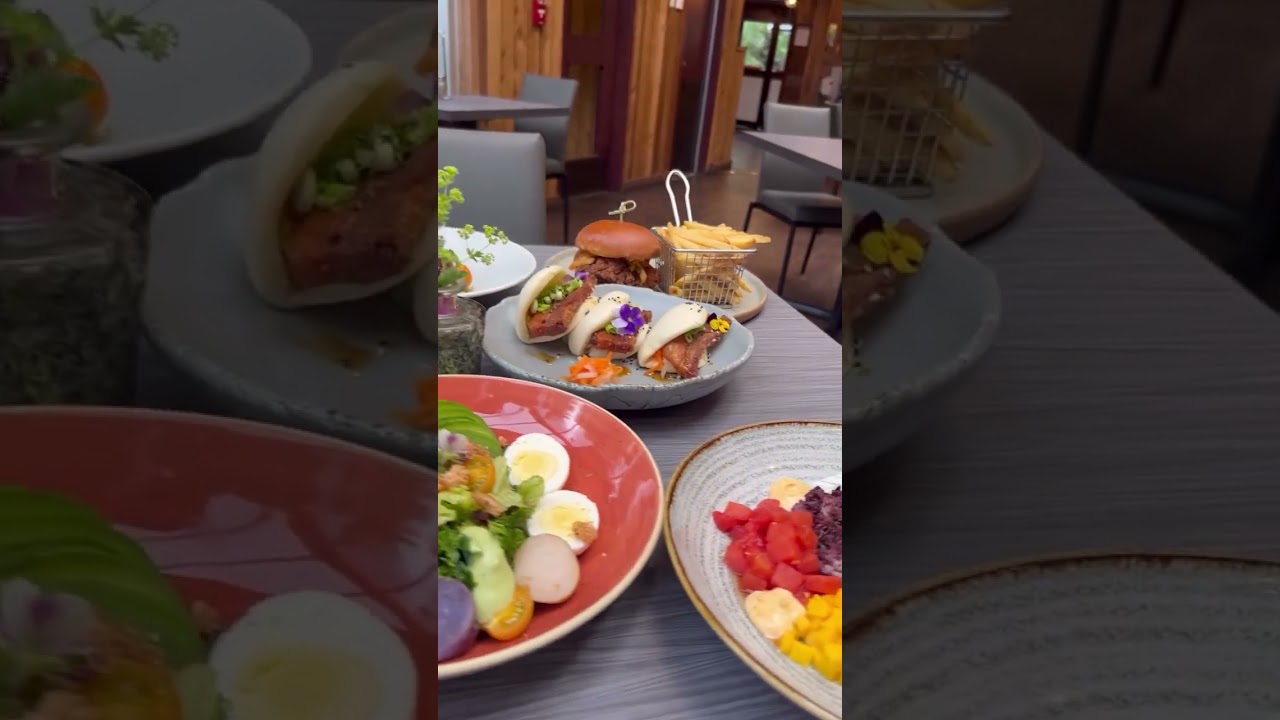
Lunch at the zoo? Don’t mind if we do! 😋
Join us at Grazers Restaurant at the heart of the zoo for an unforgettable culinary experience. Whether you’re relaxing in the shade with a cocktail as you watch the alpacas or you’re fueling your zoo adventure with something off of our inventive menu, you’re sure to be delighted when you visit. 🍽️
#YourZooYYC #YYCEats
