
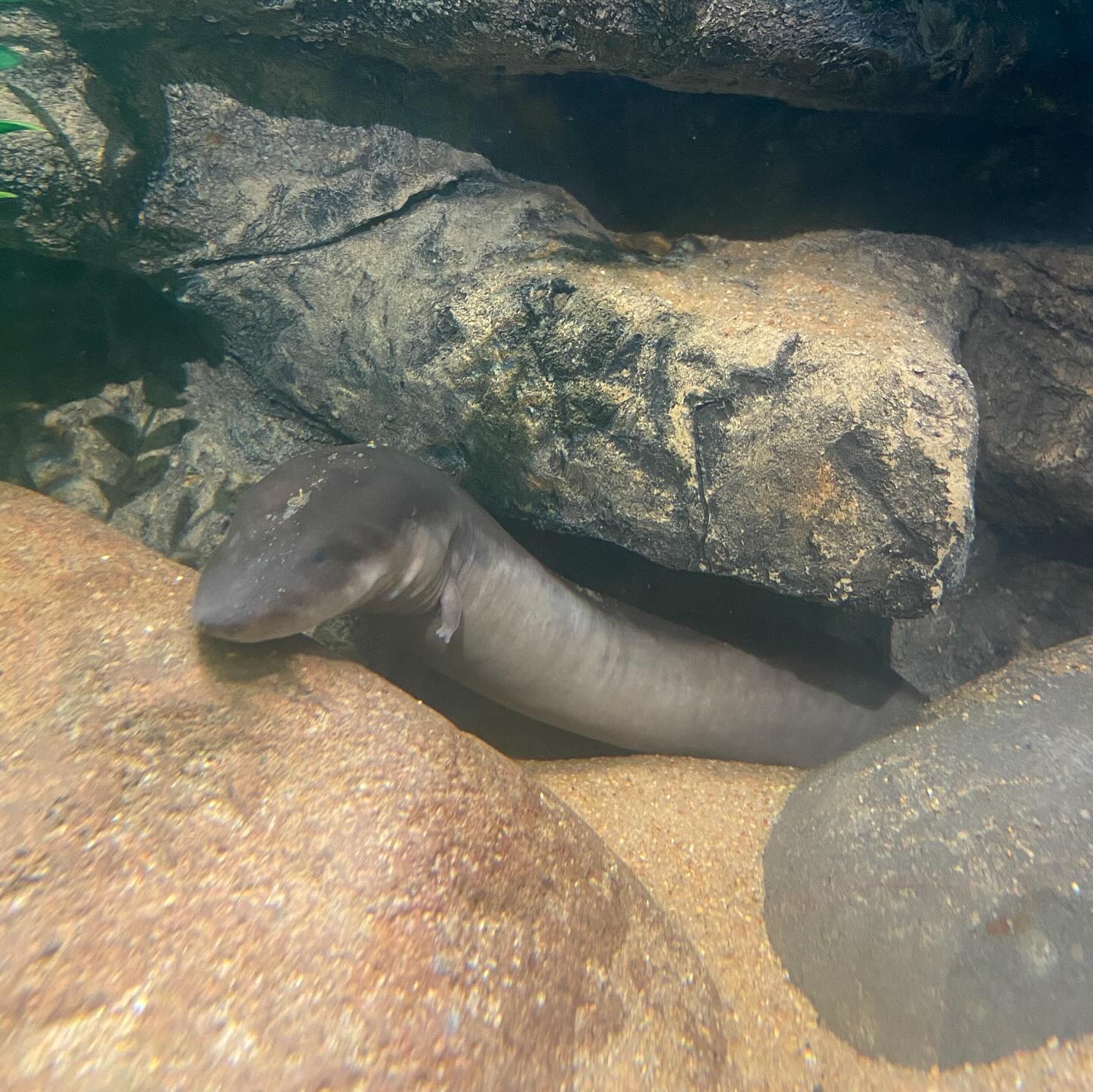
- Introduction to Ponyo, the three-toed amphiuma and the significance of her residency at the Houston Zoo.
- Biological characteristics and habitat of the three-toed amphiuma, focusing on their anatomy and native environment.
- Dietary habits and feeding behavior of the amphiuma, highlighting their role in the ecosystem.
- Conservation status and efforts associated with the three-toed amphiuma and other similar species.
- The educational role of zoos, particularly the Houston Zoo, in promoting wildlife conservation and research.
Ponyo, the three-toed amphiuma, marks a significant milestone for the Houston Zoo as she becomes the first of her kind to reside there. An amphibian native to the southeastern United States, the amphiuma adds a unique element to the Reptile & Amphibian House. Visitors can find Ponyo nestled on the back right side of the exhibit, showcasing the fascinating diversity of the species.
The three-toed amphiuma, Amphiuma tridactylum, thrives in the wetlands and slow-moving waters of the American Southeast. This aquatic salamander is known for its elongated body, reduced limbs, and absence of both tongue and eyelids. Such peculiar anatomy allows researchers to gain insights into evolutionary adaptations. Typically, these creatures can reach lengths of up to 40 inches and are often referred to as "conger eels" due to their appearance, though they are not related to eels at all.
In terms of diet, the amphiuma is a carnivorous predator. Ponyo’s meals include shrimp, crawfish, and fish, reflecting her role as an essential participant in the food web. By controlling the populations of these smaller aquatic organisms, amphiumas help maintain ecological balance in their habitats. Their feeding behavior also provides valuable information about the dynamics of freshwater ecosystems.
While not currently listed as endangered, the three-toed amphiuma faces threats from habitat destruction and pollution. Conservationists emphasize the importance of preserving wetlands and waterways to support the survival of this species and others that depend on similar environments. Efforts to protect these areas are crucial for maintaining biodiversity and ecological health.
Zoos, including the Houston Zoo, play a critical role in conservation education. By housing animals like Ponyo, they offer a glimpse into the lives of lesser-known species, sparking curiosity and a desire to protect wildlife. Educational programs and up-close exhibits provide visitors with opportunities to learn about conservation challenges and the importance of preserving natural habitats.
The presence of Ponyo at the Houston Zoo not only enriches its collection but also enhances awareness about the incredible diversity of species and the necessity of environmental stewardship. Through active conservation efforts and public engagement, organizations like the Houston Zoo contribute significantly to the global mission of safeguarding wildlife for future generations.
*****
Source Description
Meet one of our newest residents, Ponyo, a three-toed amphiuma! Ponyo is the very first amphiuma to call the Houston Zoo home. She recently moved into the Reptile & Amphibian House, and you can spot her on the back right side during your next visit. This species of aquatic salamander is native to Texas and can only be found in the southeastern United States. They have no tongue or eyelids, and her diet consists of shrimp, crawfish, and fish.
📸: Herpetology Supervisor Audrey
