
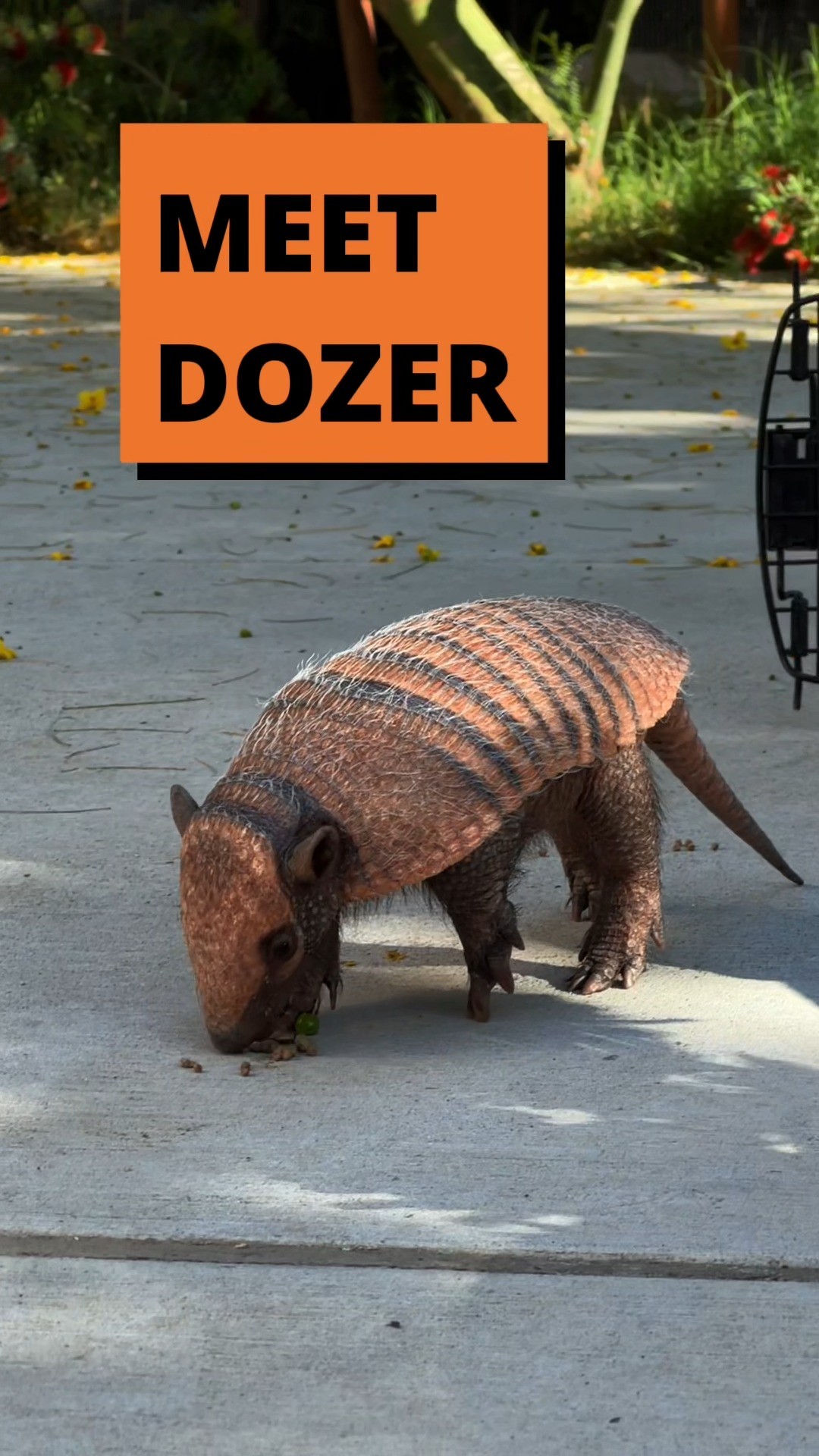
- Introduction to Dozer and Tonka as part of the Ambassador Animal program
- The significance of Ambassador Animal programs in conservation
- The biology and life history of Dozer (Bulldozer) and Tonka
- Public engagement and educational opportunities through Ambassador Animals
- The challenges and responsibilities of keeping and caring for ambassador animals
Our community is excited to welcome two new memorable members into our Ambassador Animal program: Dozer, affectionately known as Bulldozer, and Tonka. These two captivating animals not only bring joy to our visitors but also provide vital educational opportunities about their species and the larger ecosystems they inhabit. The story surrounding their birth and arrival is both fascinating and important for understanding wildlife conservation.
Ambassador Animal programs play a critical role in conservation by bridging the gap between the public and wildlife. These programs feature animals that can be safely presented to audiences to raise awareness and educate them about various species and habitats. The powerful connection that people often feel when encountering these animals promotes empathy and encourages responsible behavior towards wildlife. Dozer and Tonka are perfect examples of this mission in action. By sharing their stories, we foster a deeper understanding of their species, paving the way for more informed conservation efforts.
Focusing on Dozer and Tonka, it is essential to highlight their biology and history. Dozer is a fascinating turtle species, part of the broader family of freshwater turtles. His name, Bulldozer, aptly describes his robust, sturdy physique and his gentle nature. Turtles like Dozer are integral to their ecosystems, contributing to the balance of freshwater habitats as both predator and prey. They assist in maintaining healthy aquatic environments by control of plant growth and offering prey for other wildlife. Understanding their physiology and behavior helps us appreciate their roles in biodiversity.
Tonka, on the other hand, is a vibrant species that complements Dozer’s character. As a lively creature, Tonka exhibits unique social behaviors and plays a significant role in the education of visitors. Understanding the life cycle of such animals can illuminate important aspects of animal behavior and survival strategies. For instance, Tonka’s diet, breeding habits, and habitat preferences demonstrate how species adaptations have developed over generations. Engaging with animals like Tonka allows our audience to grasp the intricate relationships within ecosystems.
Public engagement through Ambassador Animals is critical in education and outreach initiatives. By meeting Dozer and Tonka, visitors gain firsthand experience that can deepen their respect for wildlife. Educational programs highlight the shared traits between animals and humans, emphasizing the importance of habitat protection and species conservation. Children and adults alike benefit from interactive sessions, where they can learn about the daily lives of these animals, their natural environments, and the conservation efforts in place to protect them.
The benefits of having ambassador animals extend to making complex scientific concepts accessible. Interactive programs demystify terms like "biodiversity," "habitat degradation," and "conservation efforts" by illustrating them through the real-world examples provided by Dozer and Tonka. As the public learns about the challenges faced by these species, such as habitat loss and pollution, they become empowered to take action.
Alongside the numerous advantages of having ambassador animals, there are inherent responsibilities. The care of Dozer and Tonka requires thorough planning and a strong commitment to ethical standards. Keeping these animals requires appropriate enclosures that mimic their natural habitats, ensuring their physical and psychological well-being. Nutrition must be carefully considered, as various species have specialized dietary needs. Regular veterinary care and monitoring are essential to prevent diseases, enhancing both the animals’ and visitors’ experiences.
Furthermore, staff must participate in ongoing training to engage effectively with the public. The expertise of zookeepers and educators ensures the safety and comfort of animals like Dozer and Tonka while providing a rich educational experience. This diligent approach plays a significant role in the success of Ambassador Animal programs and serves as a model for similar initiatives worldwide.
Educators also play a vital part in integrating the lessons learned from Dozer and Tonka into broader programs that address wildlife conservation topics. For instance, discussions may revolve around the significant threats many species face due to climate change, deforestation, and poaching. In these conversations, Dozer and Tonka serve as ambassadors, exemplifying both the struggles of their counterparts in the wild and the resilience exhibited by species through adaptation.
In “shell” of a story, their lives highlight the interconnectedness of all living beings and the pressing need for global conservation efforts. Watching these animals up close humanizes conservation issues, transforming abstract concepts into relatable stories. This emotional connection can lead to increased support for conservation initiatives, from volunteer work to financial donations.
In recognizing the importance of properly managed Ambassador Animal programs, it becomes clear that they are more than just a community attraction. They represent a significant step forward in fostering relationships between wildlife and humanity. These programs remind us that we all share a responsibility to safeguard the planet and its inhabitants.
Through initiatives focused on teaching the public about conservation, Dozer and Tonka stand as testaments to the potential impact of education and engagement. Their unique characteristics and stories illustrate the beauty and complexity of wildlife, encouraging community members to advocate for their conservation.
Furthermore, continuous storytelling about Dozer and Tonka can inspire new generations of conservationists. Drawing from their experiences can aid in inspiring others to pursue careers in wildlife management, environmental science, and ethical stewardship of natural resources. The impact of stories is profound; it serves to remind us that we are all part of a larger ecosystem.
As our understanding of ecological relationships and conservation strategies grows, programs featuring ambassador animals will remain pivotal. They provide tangible connections to animals that might otherwise remain distant and obscure, fostering greater care for wildlife and the environment.
Dozer and Tonka’s arrival in the Ambassador Animal program is not simply a brief chapter in our institution’s story; it signifies an ongoing commitment to creating a more informed and compassionate society. By bringing these animals into our lives, we facilitate dialogues about biodiversity, conservation awareness, and the ethical treatment of all living creatures.
Through the combined efforts of our community, and with the joy that Dozer and Tonka bring, the future looks brighter for wildlife conservation. As we strive to educate and engage more people about the vital role of preserving nature, we remain motivated by amazing stories like those of our new ambassadors. Each interaction may serve as a turning point, evoking an important call to action to protect the fascinating wildlife around us.
*****
Source Description
We’re excited to formally introduce you to two exciting new additions to our Ambassador Animal program. Meet Dozer (professionally Bulldozer) and Tonka! Their birth is one ‘shell’ of a story, and you can read all about it in our link in bio!
