
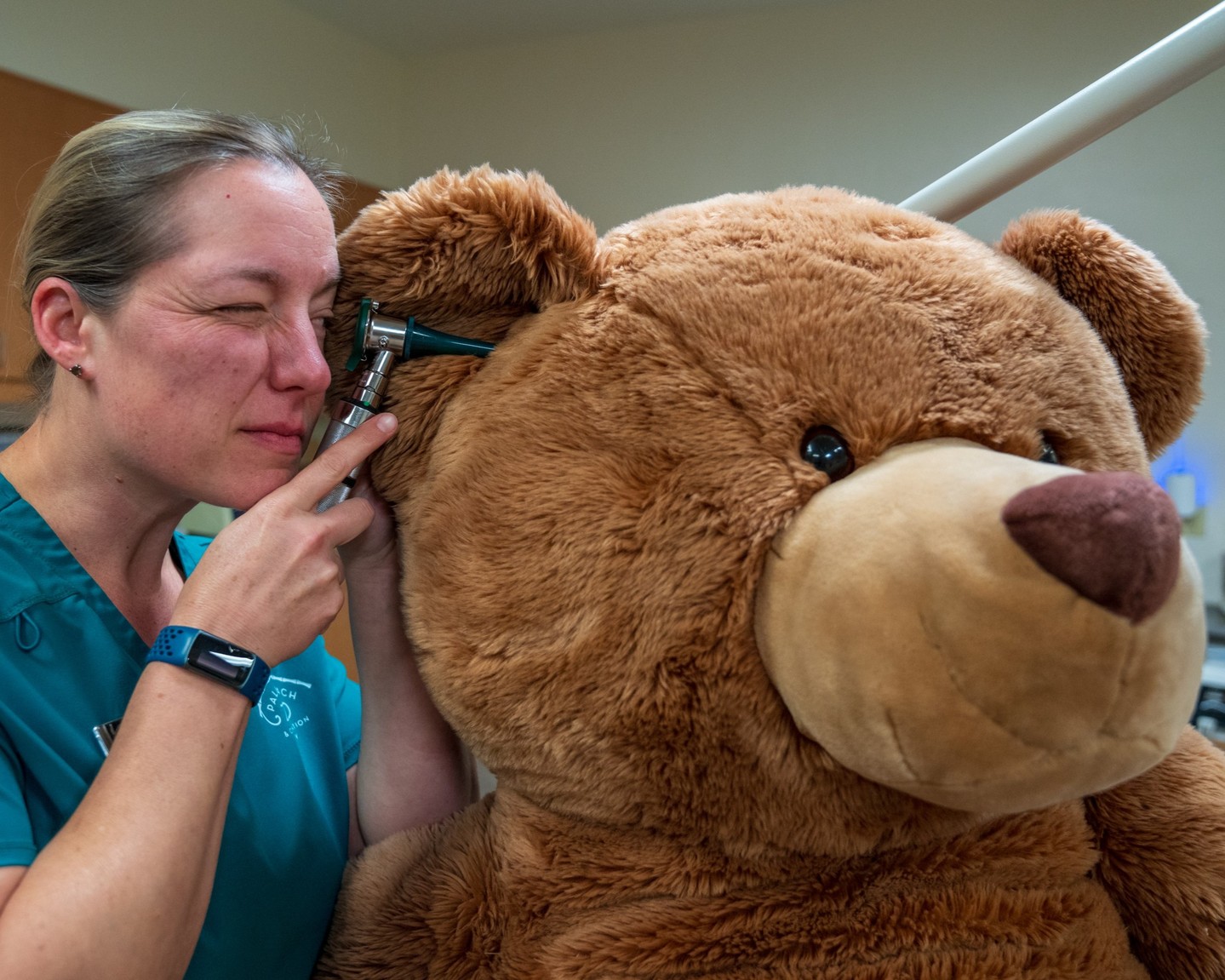
- Understanding the Importance of Regular Check-ups for Plush Animals
- The Role of Veterinarians in Animal Health
- The Educational Benefits of a Stuffed Animal Check-up
- Community Engagement and Support for Wildlife Conservation
- How to Get Involved: Visiting Nature Play and the Adoption Program
Understanding the Importance of Regular Check-ups for Plush Animals
Check-ups are essential in maintaining the longevity of any beloved item, including your child’s favorite stuffed animal. While plush toys are not living beings, this playful event simulates a genuine veterinary experience. By encouraging children to partake in check-ups for their stuffed animals, they also learn the significance of healthcare for living creatures. Proper care often extends beyond the health of toys; it connects to the well-being of the animals in our ecosystems.
Children often develop strong emotional attachments to their stuffed animals. These toys often serve as companions, sources of comfort, and identifiers of childhood experiences. Regularly engaging in activities like plushie check-ups fosters an awareness of responsibility. Kids observe directly how healthcare practices can benefit not only their toys but also their pets and wildlife in broader terms.
In the face of increasing urban development and habitat loss, introducing concepts of care and conservation through creative play can instill critical values early on. Children often mirror behaviors modeled by adults. When they see adults caring for animals, they learn to adopt similar attitudes toward their toys, animals, and the environment.
The Role of Veterinarians in Animal Health
Veterinarians play a vital role in animal health, not just for pets but also for wildlife and farm animals. Their training equips them to recognize symptoms, provide treatment options, and educate the public on maintaining animal well-being. During events like the stuffed animal check-up, trained veterinary staff can demonstrate these skills in an engaging and approachable way.
Veterinary medicine involves much more than treating symptoms; it encompasses preventive care and health education. Veterinarians are trained to conduct thorough examinations, understand anatomy, diagnose diseases, and develop treatment plans. For example, a veterinarian may identify common wear-and-tear signs in stuffed animals, explaining how materials and stitching can affect the durability of toys. These insights can effortlessly translate into conversations about the health of real animals, thus making the children’s connection to animal welfare stronger.
In addition to providing care, veterinarians often undertake roles as educators. By introducing veterinary knowledge to children during a playful setting, children acquire foundational knowledge on animal care practices. They learn about the importance of vaccinations, nutrition, and regular health checks. The parallels drawn between stuffed animals and real animals set the stage for lifelong awareness of animal health issues.
The Educational Benefits of a Stuffed Animal Check-up
Hosting a stuffed animal check-up not only enriches children’s understanding of animal health but also supports various educational components. Such activities can incorporate elements of biology, environmental science, and social responsibility. For instance, examining the anatomy of a plush toy offers a springboard for discussions about animal physiology.
Utilizing check-ups as a learning experience can also spark interest in STEAM (science, technology, engineering, arts, and mathematics) subjects. Children may be curious about how plush toys are made and how materials differ from animal biology. Bits of information about animal habitats, conservation status, and ecological impacts can all be tied into learning about their stuffed animals.
Engagement with veterinary staff allows for a hands-on, experiential learning opportunity. Children receive firsthand knowledge of recognition skills used in real medical situations. This kind of immersion can stimulate analytical thinking and help them understand the basic principles of health care.
Furthermore, engaging in community events like a plushie check-up fosters teamwork and social skills. As children gather to examine their plush animals, they share experiences, techniques, and engage in conversations about care and compassion. The ability to collaborate in the spirit of unity reflects essential life skills beneficial in adulthood.
Community Engagement and Support for Wildlife Conservation
Conservation is vital in today’s society, where biodiversity is rapidly declining. Events that promote animal care foster a greater understanding of wildlife conservation. By instilling these values in children through tangible, playful experiences, we create advocates for animal welfare and environmental stewardship.
In this context, Nature Play provides a unique opportunity for families to contribute to a more significant cause. By participating in the stuffed animal check-up, families can support conservation efforts. Those who adopt a plush animal at the event not only gain a new companion but also contribute to wildlife-saving missions.
The funds raised during such events often go directly to programs aimed at preserving animal habitats, rehabilitating injured wildlife, and enhancing educational initiatives. Families participating in the event are not just passively enjoying the experience; they’re actively contributing to making a difference.
Moreover, these community events cultivate a sense of belonging. When families engage collectively in activities centered around wildlife conservation, the shared experience reinforces a collective commitment to environmental responsibility. Ultimately, such events create ambassadors out of young participants—those who will carry forth the values of compassion and care for animals and nature as they grow older.
How to Get Involved: Visiting Nature Play and the Adoption Program
Nature Play operates on specific hours during weekends to maximize engagement from families. Visit on Saturday or Sunday from 10 am to noon for the plushie check-up. This event is included with admission, making it accessible. Families get personalized experiences, and kids can develop connections with their toys and nature.
If a family forgets to bring their plush toy, there’s an opportunity to adopt a bear from the Adopt a Bear table. This allowance not only satisfies immediate needs but contributes to an overarching mission emphasizing wildlife conservation. Those adopting plush animals support the zoo’s educational and conservation efforts while receiving a companion to cherish.
Participating families can follow up on how their donations are utilized. Many zoos and wildlife organizations share transparent reports on how funds contribute to welfare programs. This kind of engagement promotes financial literacy, understanding the importance of wise donations, and fostering future-generations’ loyal support of wildlife initiatives.
Overall, the stuffed animal check-up transcends entertainment. It cultivates a deeper ethical perspective among children and their families—a genuine regard for animal welfare and environmental sustainability. Children thrive in learning environments, and experiences such as these enrich their understanding of health care, encourage empathy towards animals, and actively engage in community support.
In a world where children frequently access technology-oriented play, reconnecting with traditional toys in this manner can be particularly meaningful. Encouraging children to treat their stuffed animals with the care that one might afford a pet can significantly impact their emotional and moral development.
Events like those held at Nature Play serve as excellent reminders that the small actions taken today can pave the path for a more compassionate and environmentally responsible tomorrow. Such undertakings are essential in cultivating a generation that values precious ecosystems and the rich biodiversity they encompass.
By engaging with Nature Play and understanding how toy healthcare reflects real-world animal care, families are not just having fun. They are engaging in an enriching educational experience that underscores the essence of compassion, advocacy, and responsible stewardship crucial for our planet’s future.
*****
Source Description
Is your family’s favorite stuffed animal due for a checkup?
Stop by Nature Play from 10am-12pm on Saturday and Sunday to get your child’s plushie a hands-on check-up by the Zoo’s veterinary staff, included in admission! If you forget yours at home, stop by our Adopt a Bear table to get your very own AND support our wildlife-saving mission.
