
- The importance of zoos in wildlife conservation and education
- Chanee the white-handed gibbon’s introduction to Gibbon Island
- The role of animal keepers in ensuring animal welfare
- Visitor experiences and educational opportunities at the zoo
- Future initiatives for wildlife conservation and community engagement
Zoos play a pivotal role in wildlife conservation and education, bridging the gap between the public and the animal kingdom. They not only serve as an entertainment venue but also as a platform to promote the importance of preserving wildlife and their habitats. Facilities like Santa Barbara Zoo engage in various initiatives that enhance species survival, emphasizing the crucial part zoos play in educating visitors about environmental stewardship and animal welfare.
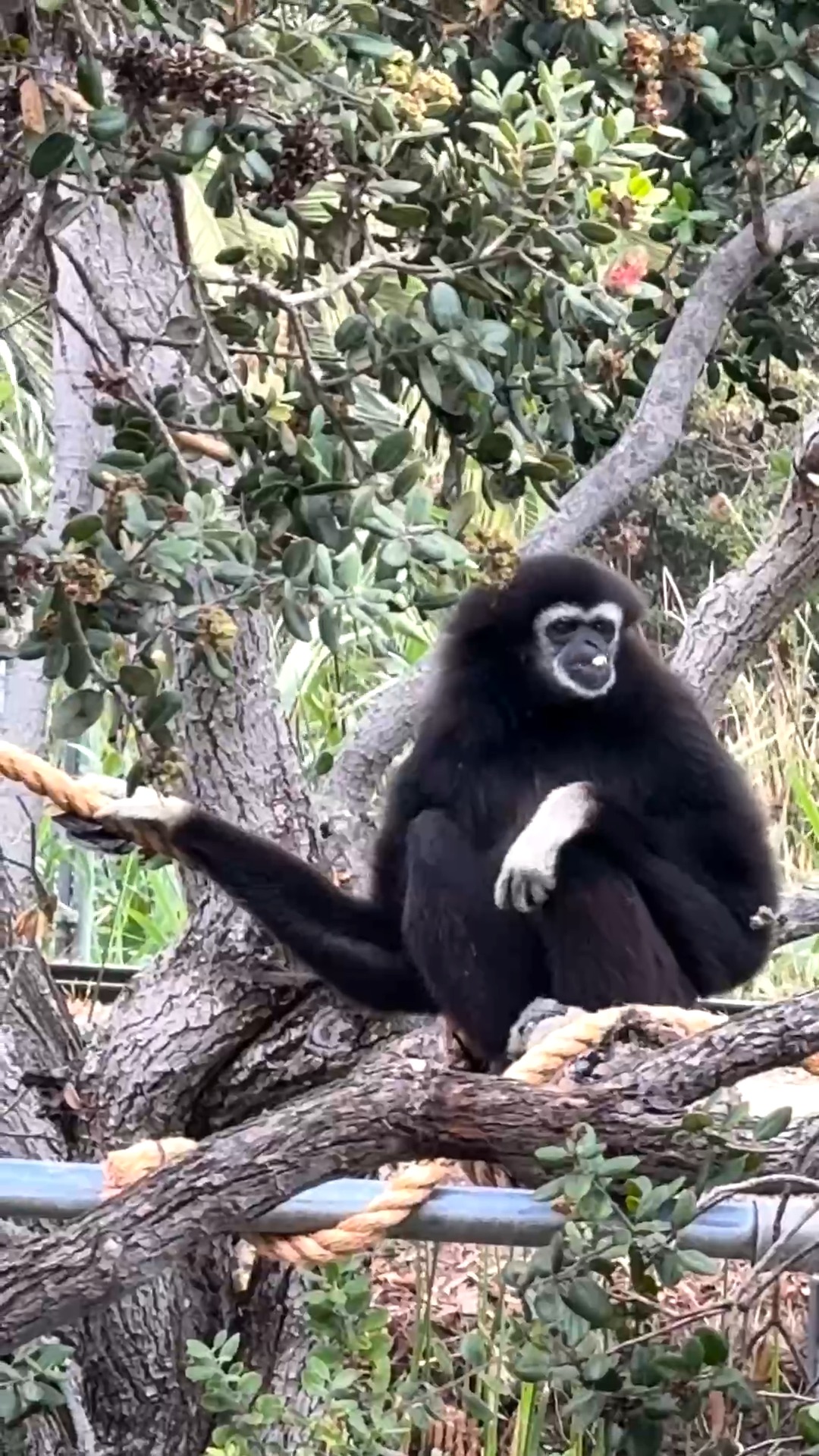
Chanee, the white-handed gibbon, recently arrived from Columbus Zoo, has quickly acclimated to her new environment on Gibbon Island. This species, known for its remarkable acrobatic skill and vocal capabilities, is a joy to observe. Chanee’s interactions, from swinging between branches to savoring leafy greens, showcase her natural behaviors, providing insights into the vitality of preserving these creatures in a controlled environment. White-handed gibbons are classified as endangered, largely due to habitat destruction and poaching. By welcoming Chanee, the Santa Barbara Zoo is participating in a broader initiative to support conservation efforts for this species.
Animal keepers play an essential role in animal welfare and conservation within zoos. These professionals undergo extensive training to understand the needs of various species and are responsible for daily care, including nutrition, habitat maintenance, and health assessments. Their knowledge is instrumental in enhancing the quality of life for animals in their care. For example, keepers monitor Chanee’s diet to ensure it remains balanced and nutritionally appropriate, which influences her health and overall well-being. This level of care fosters a safe environment where animals can thrive, allowing visitors to witness vibrant, natural behaviors that are often absent in species kept in captivity.
Visitor experiences at the Santa Barbara Zoo extend beyond mere observation. Guests are encouraged to participate in educational programs that highlight the importance of conservation and animal care. These activities can range from guided tours to interactive exhibits that engage families and individuals of all ages. Through programs aimed at educating the public about the specific needs and behaviors of animals like Chanee, visitors gain a deeper understanding of the challenges faced by wildlife and the critical role zoos undertake in tackling these issues. The zoo’s commitment to education fosters a sense of responsibility among visitors, motivating them to become more vigilant stewards of the environment.
Additionally, community engagement through various initiatives is critical for zoos, especially regarding conservation. Santa Barbara Zoo frequently organizes events that connect the local community with wildlife. These can involve conservation-focused seminars, family days, and collaborative efforts with schools to promote wildlife education. Engaging the public in such events not only raises awareness but also allows individuals to contribute to conservation efforts actively. For instance, programs that emphasize local wildlife conservation educate attendees on the importance of biodiversity, which can significantly impact community perspectives on environmental stewardship.
Looking ahead, the Santa Barbara Zoo plans to expand its conservation efforts by participating in breeding programs for endangered species while also enhancing habitats for all animals under its care. These initiatives provide a dual benefit: they not only support the genetic diversity necessary for species survival but also allow for research opportunities that improve overall species management. By linking these goals with public education, the zoo can foster a greater appreciation for wildlife preservation among visitors.
The arrival of Chanee signifies an exciting time for the Santa Barbara Zoo. This white-handed gibbon illuminates the significant educational impact that zoos can have on local communities while also highlighting global conservation issues. Her presence will undoubtedly inspire future generations to engage in wildlife conservation, reminding everyone of the beauty of nature and the importance of safeguarding it.
The role of zoos as conservation centers is often underappreciated. Many people view zoos solely as places of entertainment, overlooking the invaluable work they contribute to wildlife preservation. By fostering a narrative that emphasizes the educational aspects and conservation impact of institutions like the Santa Barbara Zoo, a more significant message about the importance of biodiversity can be communicated effectively.
Chanee’s voracious appetite for greens reflects the dietary habits of her species, which primarily feeds on fruits, leaves, and flowers in their natural habitat. Understanding the dietary requirements is vital for animal keepers, who strive to replicate natural conditions as closely as possible. Educating visitors about nutritional choices for different species enhances their understanding of animal care and the ecological relationships that exist in the wild.
Moreover, the gibbons’ acrobatic displays, as they swing from branch to branch, serve as a compelling reminder of the agility and adaptability of wildlife. Such mimesis of natural behavior is essential for animal mental health. Providing animals with opportunities to exercise and express natural tendencies not only enhances their well-being but also enriches the visitor experience. Observing Chanee as she explores Gibbon Island offers a fantastic opportunity for guests to witness her natural behaviors firsthand.
Social interactions among a group of gibbons also reveal more about their social structure and dynamics. White-handed gibbons typically have strong social bonds, and observing these relationships in a zoo setting allows visitors to appreciate the intricate nature of animal behavior. Through public feeding sessions and enrichment activities, keepers give attendees a front-row seat to these social interactions, fostering a greater understanding of the species’ complexities.
As part of its commitment to conservation, the Santa Barbara Zoo collaborates with conservation partners globally, both in-situ and ex-situ. This cooperation includes funding field projects that aim to protect native habitats, as well as participating in global initiatives focused on breeding programs. By sharing knowledge and resources, the zoo plays a vital part in sustaining global biodiversity efforts, making a significant impact far beyond its own grounds.
The educational aspects of a day at the zoo are enriched by engaging workshops and demonstrations featuring the animal keepers. Such programs often include talks about animal care, habitat preservation, and conservation success stories. By participating in these interactive sessions, visitors gain firsthand insights into the multifaceted worlds of the animals they admire. The stories of animals like Chanee open conversations around habitat loss, climate change, and the urgent need for wildlife protection.
Future plans for the Santa Barbara Zoo include integrating technology into educational programs. Virtual reality experiences and mobile applications designed to enhance visitor interaction may provide deeper insights into wildlife conservation efforts. By engaging a tech-savvy audience, the zoo can reach a broader demographic, inspiring a new generation of conservationists.
Chanee’s introduction to Gibbon Island also emphasizes the importance of gradual acclimatization for new arrivals. This process helps mitigate stress and encourages animals to adjust to their new surroundings effectively. For animal keepers, closely monitoring behavioral patterns during this period is crucial for the animal’s long-term health and happiness. This level of attention and care exemplifies the dedication involved in successful zoo management.
To further enhance public engagement, the zoo encourages social media interaction, allowing the community to follow Chanee’s journey. Visitors can share their experiences through platforms like Instagram, creating a network of wildlife advocates. This online involvement cultivates a sense of community among zoo supporters and encourages dialogue on conservation issues.
Educating the public is integral to preserving wildlife. Through collaborations with local organizations, the Santa Barbara Zoo actively participates in outreach efforts, including school programs and community events. By bringing conservation discussions directly to neighborhoods, the zoo fosters a culture of environmental responsibility among community members. This approach helps build a foundation for future generations to understand and prioritize wildlife conservation.
Chanee’s initial days at the zoo illustrate the dedicated teamwork behind animal care. This commitment is essential for preserving the lives of endangered species and harnessing community support for conservation efforts. The Santa Barbara Zoo serves as a reminder of the powerful role zoos can play in educating the public, encouraging a connectedness to the natural world while advocating for the welfare of its inhabitants.
As the Santa Barbara Zoo looks toward the future, initiatives focused on wildlife conservation and community engagement will remain priorities. By continuing to strive for excellence in animal care, education, and conservation, the zoo will undeniably enhance its role as a leader in wildlife preservation. Understanding the significance of animals like Chanee not only informs visitors but also empowers them to take action in fostering a sustainable future for all species.
Providing a place for learning and contemplation about the natural world, the zoo effectively nurtures a sense of wonder and responsibility in every visitor. Chanee embodies hope for the future of wildlife conservation and the ongoing efforts to foster a thriving environment for both animals and people. The collective endeavors of institutions like the Santa Barbara Zoo are vital as they pave the way for a more informed and conscious society dedicated to protecting and nurturing the world’s precious wildlife.
*****
Source Description
Adding to the list of great days to hang out at the Zoo! 🐵🌎💚
Chanee the white-handed gibbon, who recently joined us from @columbuszoo, is settling into her new home on Gibbon Island in Santa Barbara nicely!
📸: Creative/Brand Manager Wendy Campbell and Keeper Ariel
Alt-text: Chanee the white-handed gibbon explores Gibbon Island as she swings around and snacks on leafy greens in this reel.
