
- The ecological significance of flamingos in their habitats
- The atmospheric conditions that create stunning pink skies
- The biology and behavior of flamingos
- Conservation efforts to protect flamingo populations
- The relationship between flamingos and their ecosystems
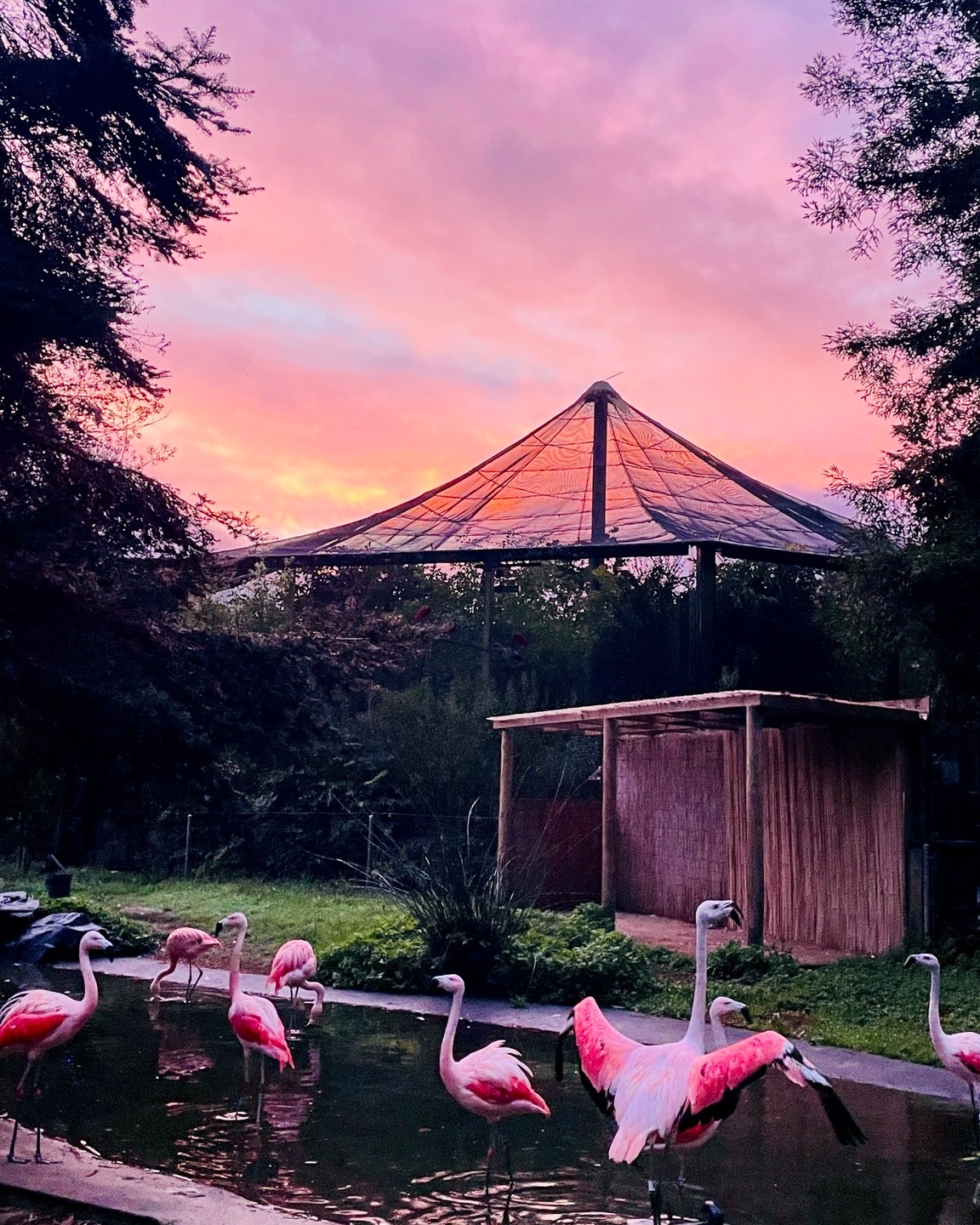
In many regions where flamingos thrive, there is often a breathtaking spectacle of pink skies that mirror their vibrant plumage. The interplay between atmospheric conditions and the habitats of flamingos not only creates stunning visuals but also reflects the delicate balance of ecosystems.
Flamingos play a crucial role in their habitats, primarily in shallow wetlands and lagoons. These areas are vital ecosystems that support countless species, including other birds, amphibians, and aquatic life. Flamingos benefit these habitats by maintaining healthy algal growth. Their feeding habits, which involve sifting through sediment to filter food, help regulate the population of microorganisms and small invertebrates. This natural behavior fosters a balanced environment, ensuring that multiple species can cohabit effectively.
The pink hue of flamingos comes from their diet, specifically the carotenoid pigments found in algae and brine flies. When they consume these nutrients, the pigments are metabolized and deposited in their feathers, skin, and bills, producing the characteristic pink shades. The color is not an inherited trait but rather a reflection of their diet. The more pigmented food they consume, the more vibrant their appearance becomes.
The atmospheric conditions conducive to the formation of pink skies often involve the scattering of sunlight during sunrise and sunset. Fine particles in the atmosphere, such as dust and water droplets, scatter shorter wavelengths of light—like blue and green—while allowing longer wavelengths, such as red and orange, to pass through. This phenomenon can be particularly striking near wetlands where flamingos congregate. The interplay of light and moisture, especially after rainfall, creates a stunning backdrop that enhances the beauty of flamingos in their natural habitat.
Understanding flamingo biology and behavior sheds light on their adaptability. These birds are highly social creatures, often seen wading in groups. They engage in synchronized movements, which contribute to their social structure. This behavior is not just a display; it also aids in communication and establishes dominance hierarchies within flocks. Their feeding method, filter-feeding, is an adaptation that allows them to thrive in environments low in nutrients. By using their specially adapted beaks to sift through mud and water, they can consume a diet consisting mainly of algae, brine shrimp, and small crustaceans.
The conservation of flamingos is critical due to several pressures they face. Climate changes, habitat destruction, and pollution are significant threats to their populations. Wetlands, their primary breeding and feeding grounds, are often drained for agriculture or urban development. These actions not only diminish their living space but also disrupt the ecological balance of these environments.
Efforts to protect flamingo populations include habitat restoration projects and legislative measures to safeguard crucial wetlands. Organizations around the globe work to inform the public about the importance of wetlands and advocate for their protection. Notably, educational campaigns focus on the relationship between flamingos and their ecosystems, highlighting how the health of these birds often signals the overall health of wetland ecosystems.
The relationship between flamingos and their ecosystems is an example of the interconnectedness of species within a habitat. Flamingos indicate the state of their environment; the presence of healthy flamingo populations can suggest a balanced aquatic ecosystem. On the other hand, declining numbers signal potential issues that need attention, prompting conservationists and biologists to investigate further.
Birdwatchers and nature enthusiasts are often drawn to the combined spectacle of flamingos and the vivid pink skies that often accompany them. This interaction serves as a reminder of the beauty of nature and the importance of its stewardship. The sight of flamingos in the wild is not only a thrilling experience but also an educational opportunity to reflect on species conservation and ecosystem health.
Preserving this relationship requires a multi-faceted approach. Sustainable tourism, for instance, can provide economic benefits to local communities while promoting the conservation of flamingo habitats. Responsible birdwatching practices ensure that human activities do not disturb feeding and breeding areas. Engaging local communities in conservation efforts is essential for long-term sustainability, as these stakeholders often bear the brunt of environmental change.
The stunning visuals of pink skies reflecting off water bodies filled with flamingos also serve to inspire community awareness and pride in local biodiversity. These natural spectacles can be a focal point for education, tourism, and conservation initiatives. The more individuals engage with their environment and understand its richness, the better equipped they will be to protect it.
In summary, the phenomenon of pink skies over pink flamingos symbolizes the balance and interdependence of nature’s elements. Flamingos are not merely aesthetic creatures; their existence and health encapsulate the complexities of wetland ecosystems. As we strive to conserve these magnificent birds and their habitats, we also care for the larger network of life that shares these environments.
In recent years, advances in technology have allowed scientists to monitor flamingo populations more effectively. GPS tracking, for example, provides vital data regarding their migrations, breeding patterns, and habitat preferences. This data is invaluable for creating targeted conservation strategies.
Public participation in citizen science projects has also gained traction. Engaging the public in bird counts and habitat monitoring fosters a sense of responsibility for local ecosystems. Such initiatives not only help conserve flamingo populations but also build a community of informed and engaged citizens, ready to advocate for their natural surroundings.
Education regarding the significance of pink skies and flamingos extends beyond conservationists to schoolchildren and general audiences. Workshops, community events, and social media campaigns can ignite passion and knowledge regarding wildlife and ecosystem protection. By fostering a connection between people and nature, we lay the groundwork for future conservation endeavors.
The sheer beauty of pink skies over flamingos acts as a visual reminder of what is at stake. Environmental degradation poses real threats to these breathtaking sights, linking human activity directly to the well-being of wildlife. Awareness and action are intertwined; greater understanding often leads to a willingness to change behaviors that negatively affect habitats.
Ultimately, pink skies over pink flamingos symbolize a vibrant ecosystem. When we recognize the importance of these birds, we also acknowledge the critical state of the wetlands they inhabit. As stewards of the environment, we carry the responsibility to protect both the flamingos and the unique ecosystems in which they thrive.
Monitoring initiatives, community engagement, and educational outreach all play an integral role in creating a holistic approach to conservation. A comprehensive understanding of these elements allows us to appreciate fully the spectacle of flamingos against a backdrop of stunning pink skies and highlights the importance of conservation in maintaining biodiversity and ecological health. Engaging actively with these topics can foster a deeper appreciation for the interconnectedness of our world and the beauty that resides within it.
*****
Source Description
Pink skies over pink flamingos! 🦩🩷
