
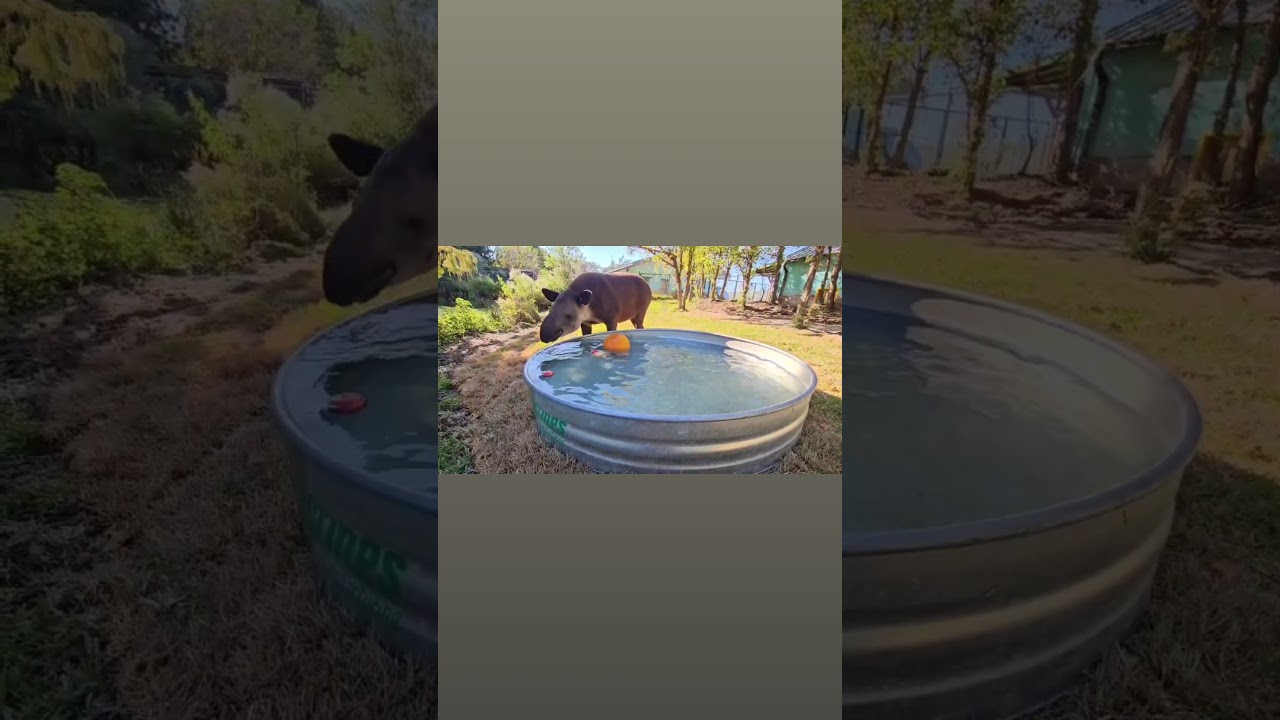
- Baird’s Tapirs: An Overview of Species and Habitat
- Ixchel: A Closer Look at Audubon Zoo’s Tapir
- Engaging Animal Enrichment: Bobbing for Apples and Pumpkins
- The Importance of Tapir Conservation
- Zoos and Their Role in Wildlife Management and Education
Baird’s tapirs are fascinating creatures belonging to the family Tapiridae. These animals are native to Central America, primarily found in tropical rainforests, and they hold a key role in their ecosystems. Tapirs are known for their distinct physical characteristics: a stout body, a short, prehensile snout, and a relatively large size, with adults weighing between 400 and 900 pounds. Their habitats include dense jungles, wetlands, and regions near rivers, where they thrive in an environment rich with vegetation.
Baird’s tapirs are categorized as endangered due to habitat loss and poaching. They contribute to seed dispersal, promoting forest regeneration. Their diet mainly consists of leaves, fruits, and aquatic plants, making them crucial for maintaining biodiversity in their ecosystems. Preservation of their natural habitats is essential for their survival.
Ixchel is the name of the Baird’s tapir residing at Audubon Zoo. She has become a popular figure among zoo visitors, providing insights into the life and behavior of her species. As a part of the zoo’s conservation efforts, Ixchel serves as an ambassador for Baird’s tapirs, raising awareness about their plight in the wild. Audubon Zoo’s commitment to animal welfare is evident in their care for Ixchel, which includes providing her with a diverse and enriching environment.
An engaging activity often featured at Audubon Zoo showcases Ixchel’s playful side: bobbing for apples and pumpkins. This enrichment exercise encourages natural behaviors such as foraging and problem-solving. Apples and pumpkins provide nutritional value while also stimulating Ixchel’s cognitive abilities. Studies suggest that animal enrichment activities contribute significantly to the animals’ physical and mental well-being. For tapirs, engaging in activities like these helps mimic their natural behaviors and promotes a healthy lifestyle.
The act of bobbing for apples and pumpkins offers not only physical benefits but also enhances social engagement. Baird’s tapirs are primarily solitary animals; however, they do exhibit social behaviors in certain contexts. During this fun activity, visitors often gather around, watching Ixchel display her inquisitive nature. This interaction allows zoo guests to learn about tapirs, fostering a connection between humans and wildlife.
Tapir conservation is critical, given their endangered status. Organizations like the World Wildlife Fund and the Tapir Specialist Group work tirelessly to protect these animals and their habitats. Efforts often focus on habitat restoration, anti-poaching initiatives, and public education. Zoos play an essential role in these conservation efforts by promoting awareness and inspiring action at local and global levels.
Zoos are increasingly shifting their focus toward wildlife management and education. The rehabilitation of ecosystems is prioritized, along with breeding programs that aim to bolster tapir populations. Audubon Zoo exemplifies this commitment by providing educational programs that highlight the importance of biodiversity and conservation.
The role of zoos extends beyond entertainment; they function as vital centers for research and rehabilitation. By studying animals like Ixchel in a controlled environment, scientists can gather data that inform conservation strategies in the wild. The intersection of animal care and scientific inquiry creates opportunities for developing best practices in wildlife management.
Enrichment practices, such as bobbing for apples and pumpkins, also serve as a model for engaging visitors in wildlife conservation. Interactive activities have proven effective in increasing public interest in lesser-known species like Baird’s tapirs. The hands-on experience allows guests to understand these animals’ needs and challenges, like habitat conservation and climate change.
Baird’s tapirs are at risk from various threats, including deforestation and illegal hunting. The ongoing encroachment of human development into natural habitats increases the urgency for awareness and action. Early education about conservation can inspire future generations to advocate for wildlife protection. Through programs like those at Audubon Zoo, the public can gain insight into the importance of preserving biodiversity.
Tapirs play an ecological role in their environments, functioning as herbivores that impact plant communities. Their feeding habits influence vegetation dynamics and forest composition. When tapirs disappear from their habitats, the effects can ripple through the ecosystem, affecting other species and ecological processes.
As a species that dates back to the Eocene epoch, tapirs have survived significant environmental changes. Their resilience highlights the need for strategic conservation approaches. A multi-faceted strategy that includes habitat preservation, public education, and research is essential for ensuring the future of Baird’s tapirs.
The rich learning opportunities provided by encounters with animals like Ixchel are invaluable. By fostering a sense of empathy toward wildlife, zoos help galvanize efforts for conservation. Visitors are encouraged to consider their role in protecting animals and the environment. Every small action can contribute to larger conservation goals.
Engagement through animal care also benefits zoo staff and animal handlers. Enrichment activities provide insights into animal behavior, allowing zookeepers to refine care techniques. Observing an animal’s interaction with enrichment items can reveal preferences and enhance well-being. For a species like the Baird’s tapir, understanding their social interactions and individual personalities is key to providing optimal care.
As part of an ongoing commitment to wildlife conservation, Audubon Zoo integrates educational elements with its animal exhibits. Through informational signage and live presentations, visitors learn facts about Ixchel and her species, sparking curiosity and advocacy. Connecting guests with Ixchel fosters a deeper appreciation for the complexities of wildlife conservation.
The zoos of the future will focus more on collaborative efforts with conservation organizations. This multidisciplinary approach will help offer comprehensive strategies for species survival. Community involvement and public support will be crucial for these initiatives. Each visitor who leaves Audubon Zoo with newfound knowledge about Baird’s tapirs contributes to a larger movement aimed at preserving biodiversity.
Animal welfare is at the forefront of zoo management practices, ensuring that the physical and psychological needs of animals like Ixchel are met. An enriched environment translates to healthier animals with better reproductive success, furthering conservation goals. Maintaining a balance between visitor engagement and animal well-being requires nuanced strategies.
Incorporating fun activities, such as bobbing for apples and pumpkins, showcases the playful nature of tapirs while serving educational purposes. This engagement is not just beneficial for the animals; it also captivates visitors and encourages them to consider the ecological implications of wildlife habitats. Awareness leads to action; when people understand what is at stake in conservation, they are more likely to support initiatives aimed at preserving endangered species.
Ixchel, as a participant in educational programs, serves as a powerful symbol of her species’ conservation needs. By sharing her story, the Audubon Zoo emphasizes the interconnectedness of all living things and the responsibility that humans have toward protecting the natural world. Through ongoing engagement with visitors, the zoo highlights the transformative potential of wildlife education.
The importance of Baird’s tapirs cannot be overstated. They serve as indicators of ecosystem health and play critical roles in supporting plant diversity. Protecting them means preserving larger ecological structures which benefit countless species, including humans. Therefore, initiatives that support their conservation are not only vital for the tapirs themselves but also for the overall health of our environment.
Audubon Zoo stands as a testament to the importance of caring for wildlife like Ixchel. Through innovative programs, engaging educational practices, and a commitment to conservation, the zoo plays a crucial role in fostering awareness and action for the future of Baird’s tapirs and their habitat. Each encounter adds to a collective effort to protect and appreciate our planet’s biodiversity, making every visit a meaningful step towards wildlife stewardship.
*****
Source Description
