
Summary of Migrant Education Program Partnership – Los Angeles Zoo and Botanical Gardens:
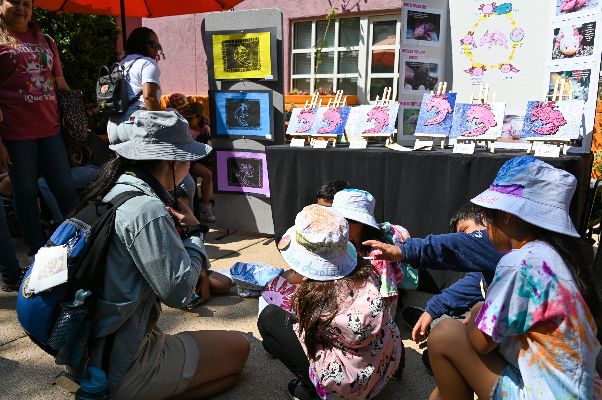
On July 16, the Los Angeles Zoo hosted Family Day for the Migrant Education Program, where students showcased their artwork inspired by their visits to the zoo. The federally funded program, which has supported children of migrant workers for 59 years, offers eight annual visits that include themed programming and behind-the-scenes tours focused on animal care. This summer’s theme was “Animals of Myth and Legend,” covering topics such as conservation and exhibit design. The initiative aims to empower children from vulnerable communities by enhancing their educational experiences and public speaking skills, fostering self-expression and confidence.
- The Migrant Education Program: A Resource for Vulnerable Communities
- The Role of the Los Angeles Zoo in Community Engagement
- Educational Outcomes for Students Through Zoo Partnerships
- Animal Conservation and Awareness Initiatives
- The Impact of Cultural and Thematic Learning on Personal Development
The Migrant Education Program (MEP), operating within Los Angeles, is an essential service that focuses on the educational needs of children from families working in migratory agricultural jobs. Running for 59 years and funded by the federal government, this program serves children aged 3 to 21 who often miss educational opportunities due to frequent relocations. Each year, the program collaborates with community resources, like the Los Angeles Zoo, to provide unique learning experiences that enrich the lives of these students.
The Los Angeles Zoo has played a pivotal role in supporting the MEP. This partnership has been ongoing since the late 1990s and illustrates a model for community engagement and educational enrichment. Through a series of eight visits each year, students are immersed in a variety of activities aimed at fostering a deeper understanding of the natural world. These visits include behind-the-scenes tours and specialized discussions focusing on key species in the zoo’s care. The collaboration between educators and zoo staff ensures that the program aligns with the learning objectives that benefit students academically and personally.
The educational outcomes of this partnership are significant. Students engage in hands-on learning about various subjects, such as animal care, behavior, adaptations, and conservation. Each visit culminates in a Family Day event where students present their own projects centered on the animals they have studied, showcasing their newfound knowledge and public speaking skills. This platform not only boosts their confidence but also reinforces their academic learning through practical application.
Central to the themes explored in this program is animal conservation and awareness. The zoo’s staff actively discusses the environmental challenges that these species face, emphasizing why it is essential to learn about and protect wildlife. Animals like the cassowary, Komodo dragon, and axolotl were key focuses during the summer program. Topics covered include their habitats, dietary needs, and the role these animals play in their ecosystems. Facilitating such discussions encourages students to understand the importance of biodiversity and stewardship, critical elements in maintaining the planet’s health.
A uniquely enriching aspect of the MEP partnership with the Los Angeles Zoo is the incorporation of cultural and thematic learning. This summer’s theme, “Animals of Myth and Legend,” combined scientific education with cultural storytelling. The cross-disciplinary approach helps students connect with the content on a deeper level, enabling them to express their identities while learning about wildlife. This experiential education becomes not just about facts and figures, but also about stories and cultural significance, promoting a holistic understanding of the relationship between people and animals.
Throughout the program, students learn essential skills. Public speaking, scientific inquiry, and teamwork become focal points as students are guided in delivering presentations and collaborating with their peers. The encouragement they receive not only facilitates academic growth but also nurtures personal development. This atmosphere fosters creativity and imbues students with a sense of pride in their work. Their presentations are often infused with personal anecdotes, illustrating the unique cultural perspectives they bring to their learning experiences.
The success of the Migrant Education Program and the Los Angeles Zoo partnership is a testament to the power of collaboration. The passionate involvement of educators, zoo staff, and students creates a dynamic atmosphere focused on learning and growth. This initiative represents a multifaceted approach to education, serving as a model for similar programs across the country. It emphasizes the importance of providing resources, support, and exposure to unfamiliar environments to populations that have historically faced educational disadvantages.
Moreover, the zoo positions itself as a resource not just for students in the Migrant Education Program, but for all diverse communities in Los Angeles. It strives to create an inclusive space that advocates for educational equity. By facilitating access to learning opportunities, the zoo helps to break down barriers that would otherwise prevent students from achieving their potential.
In summary, the partnership between the Migrant Education Program and the Los Angeles Zoo serves to empower vulnerable communities through education and access to nature. Through hands-on, experiential learning opportunities, students develop an appreciation for the environment, wildlife conservation, and their role in shaping a sustainable future. The combined efforts take significant strides toward uplifting students, fostering confidence, and creating advocates for wildlife within the communities they serve. Through this initiative, the zoo and its partners are not just educating children but also investing in the future of the communities they represent.
