
- Importance of zoologists and zookeepers in animal care and education
- Overview of Alicia’s journey at the Buffalo Zoo and her roles
- Insights into animal behaviors, particularly tigers and ocelots
- The significance of public education in wildlife conservation
- The impact of zoos on species preservation and environmental awareness
Understanding the role of zoologists and zookeepers is fundamental to appreciating the complexity of animal care and the broader implications for wildlife conservation. These professionals play a vital role in maintaining animal health and welfare while also educating the public on pressing environmental issues. Their work extends far beyond simple care routines; it encompasses research, behavior observation, and active participation in conservation efforts that have wider implications for ecosystems.
Alicia’s journey at the Buffalo Zoo highlights the dedication and passion inherent in the zookeeper profession. Her career spans over 8.5 years, with 5.5 years spent on the rainforest team and the last 3 years on the carnivore team. Such a diverse background equips her with extensive knowledge across different species and habitats. The commitment to animals is evident in her favorite species selection: tigers, with ocelots as a close second. This affinity not only reflects her love for these animals but also showcases the importance of understanding their unique behaviors and habitats.
Tigers, belonging to the Panthera tigris species, are an exemplary representation of conservation challenges. They are apex predators with an essential role in maintaining healthy ecosystems. In the wild, tigers help control prey populations, which in turn affects plant communities and other species within their range. Sadly, tiger populations face severe threats from habitat loss, poaching, and human-wildlife conflict. Zoos like Buffalo Zoo play a critical part in the stabilization of tiger populations. They provide educational opportunities and engage the public in discussions about the conservation challenges faced by this majestic species.
Ocelots, the second favorite for Alicia, are small wild cat species known for their striking fur patterns and elusive behavior. They are primarily solitary animals, adept at hunting small mammals and birds. Their conservation status is also worrying, largely impacted by habitat destruction and illegal wildlife trade. Zookeepers, like Alicia, form a personal connection with ocelots, enhancing their ability to educate visitors on these animals’ behaviors and the environmental threats they encounter. Alicia’s firsthand experience fosters a deeper understanding of both tigers and ocelots, offering visitors authentic glimpses into the lives of these fascinating creatures.
The significance of public education in wildlife conservation cannot be overstated. Alicia revels in the opportunity to inform the public about the animals at the Buffalo Zoo. Sharing knowledge about animal behaviors, traits, and individual personalities creates a bridge between the animals and visitors, fostering empathy and understanding. Educational programs provide practical insights that highlight the pressing issues faced by both species and ecosystems. Engaging visitors with facts about tigers and ocelots encourages a more conscientious relationship with wildlife.
Additionally, the Buffalo Zoo’s mission emphasizes the role of zoos in species preservation and conservation. With modern zoos focusing on breeding programs, habitat restoration, and research initiatives, Alicia’s work contributes to a larger conservation strategy. These programs are essential for maintaining genetic diversity and can serve as a safeguard against extinction. For instance, the Endangered Species Act in the United States highlights the role that zoos can play in preventing the decline of vulnerable species, by participating in conservation breeding programs and habitat protection efforts.
In Alicia’s role, she experiences the daily nuances of bond-building with animals. These relationships enhance the experience for both animals and humans, making it easier to observe natural behaviors and create an enriched environment. Such relationships also play a crucial role in the animals’ psychological well-being. It is integral that both tigers and ocelots receive not just physical care but also social stimulation to thrive in a zoo setting. Interacting with a zookeeper fosters trust and reduces stress levels, which contributes positively to their overall demeanor.
Zoos are increasingly pressured to redefine their roles, transitioning from mere exhibition spaces to interactive, educational institutions that prioritize conservation. Alicia’s story conveys how critical it is for zookeepers to educate the public on environmental stewardship. Through social media platforms like Instagram and Facebook, zoo initiatives can gain even more visibility, drawing attention to conservation messages and inspiring action from a wider audience. Alicia’s takeover on social media allows her to share insights about the daily life of a zookeeper, the importance of animal care, and the pressing conservation issues that affect wildlife.
Social media also serves as an essential tool for highlighting successful conservation stories. Public engagement can lead to greater awareness and support for wildlife conservation efforts, not just locally but globally. By sharing Alicia’s experiences and the reality of animal care, zoos can cultivate a community of individuals dedicated to understanding and preserving wildlife.
In summary, the interconnectedness of zoological work, public education, and conservation efforts is crucial for fostering a sustainable future for wildlife. Alicia’s investment in her role at the Buffalo Zoo illustrates how zookeepers contribute significantly to animal care while simultaneously nurturing public understanding of conservation issues. The relationship between humans and animals is vital in laying the groundwork for meaningful dialogues about preservation.
Understanding the intricacies of animal behavior complements the overarching mission of zoos: to inform and inspire conservation efforts. It’s evident that professionals like Alicia embody the values necessary to lead these discussions, ensuring a broader cultural shift toward wildlife stewardship. In this light, July’s Takeover Tuesday not only shines a spotlight on individual zookeepers but also emphasizes the collective responsibility to protect species and preserve the natural world for generations to come. By following Alicia’s journey, individuals can learn more about the challenges and victories found within the conservation landscape, engaging with real-time efforts that contribute to a healthier planet.
*****
Source Description
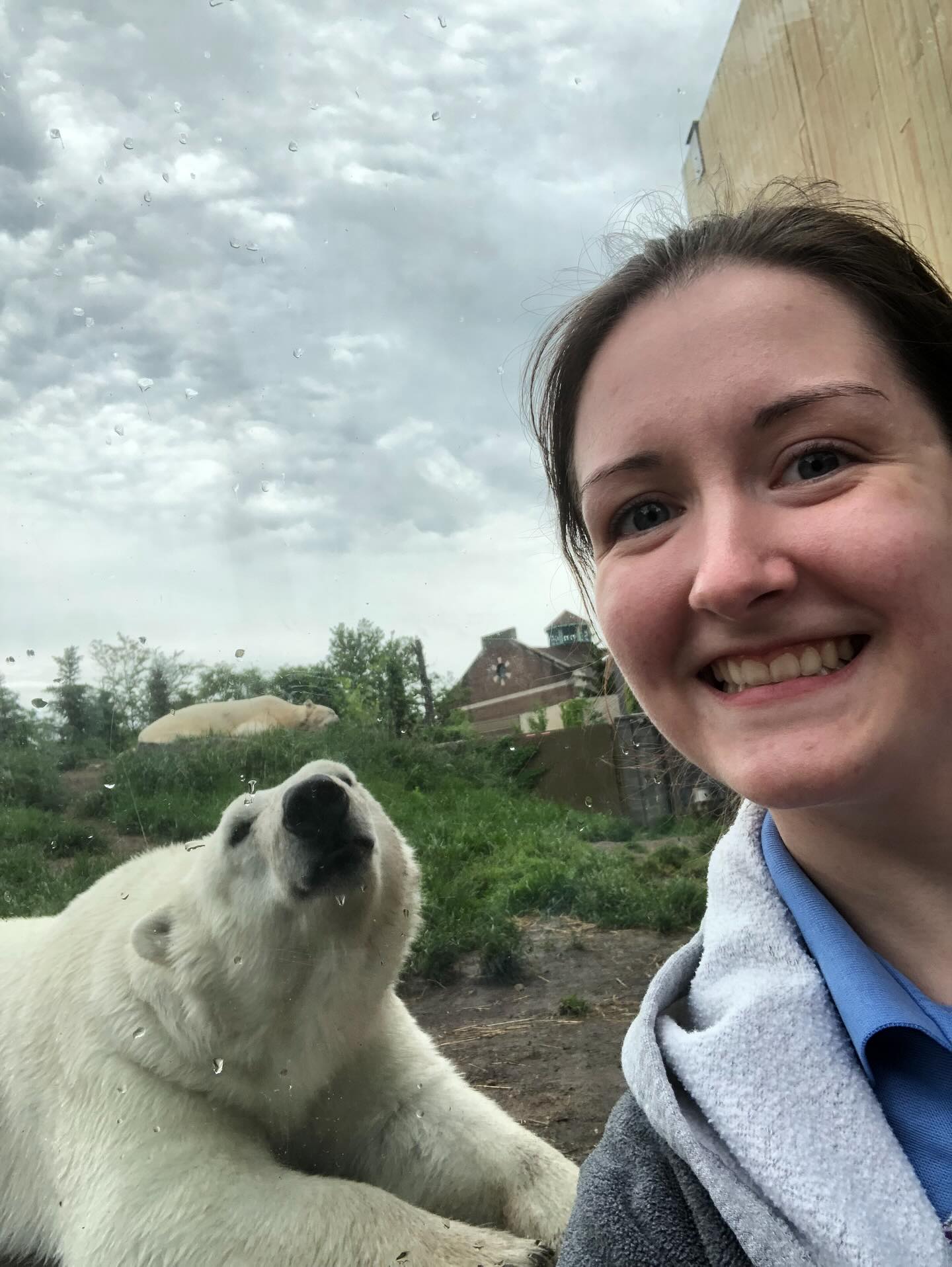
It’s time for July’s Takeover Tuesday, and this month’s featured keeper is Alicia!
Alicia has been at the Buffalo Zoo for 8.5 years, spending 5.5 on the rainforest team and the last 3 on the carnivore team.
Her favorite animal is a tiger, and she has the dream job of getting to work with them! Ocelots are a close second.
The best part of working at the Zoo for her is being able to work with so many different species and forming bonds with them. She also loves being able to educate people on animals, whether that’s facts about the species or our animals’ personalities.
Follow along with Alicia’s story takeover on our Instagram and Facebook!
