
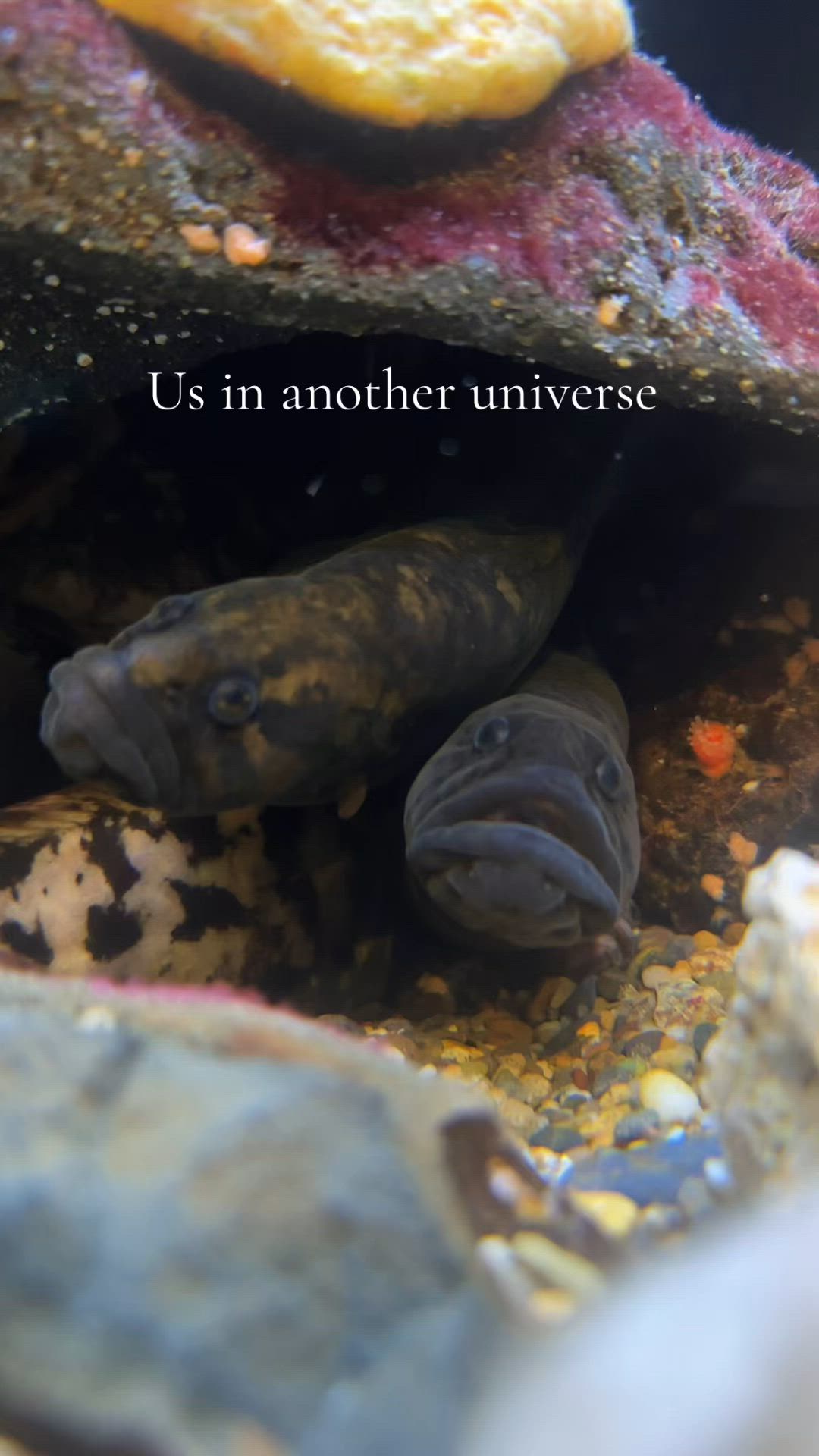
- The significance of understanding zoology in wildlife conservation
- Effective zoo management practices for animal well-being
- The role of zoos in education and research
- Challenges faced in conservation and animal care
- Innovations in wildlife conservation strategies
Understanding zoology profoundly influences wildlife conservation efforts. Zoology, the scientific study of animals, incorporates various disciplines that analyze animal behavior, physiology, taxonomy, and ecology. This comprehensive knowledge is essential for conservation strategies, especially as many species face threats due to habitat loss, climate change, and human activities. By understanding the intricate biology and social structures of different species, conservationists can design targeted interventions that promote biodiversity and sustain ecosystems.
Effective zoo management practices directly impact the well-being of animals in captivity. Zoos today are not merely places for entertainment; they have evolved into critical hubs for conservation and education. Successful zoo management involves creating environments that mimic natural habitats as closely as possible. This practice encourages natural behaviors, enhancing animals’ psychological and physical health. Additionally, trained staff play a pivotal role in monitoring animal health and behavior, enabling timely interventions. Through careful management and animal husbandry practices, zoos contribute significantly to the preservation of endangered species.
In addition to conservation efforts, zoos serve a vital educational purpose. They offer visitors opportunities to learn about wildlife and ecosystems, fostering a deeper appreciation for nature. Educational programs, both onsite and in schools, create awareness about biodiversity and highlight the threats many species face. Interactive exhibits and well-informed staff engage visitors, promoting an understanding of ecological principles. By nurturing public interest in wildlife conservation, zoos encourage community involvement and support for conservation initiatives.
Despite their contributions, zoos face numerous challenges in their mission. One significant issue is the ongoing debate about the ethics of keeping animals in captivity. Critics argue that animals should remain in their natural habitats, while proponents emphasize the benefits of conservation-centered zoos. Striking a balance between animal welfare and conservation education is crucial for zoos as they navigate this complex discussion. Additionally, funding limitations often restrict zoos’ abilities to implement innovative conservation strategies, highlighting the need for support from government and private sectors.
Innovations in wildlife conservation strategies are on the rise, helping to address these challenges. Advances in technology, such as GPS tracking and genetic analysis, enable researchers to monitor animal movements and assess population health more effectively. Furthermore, cross-institutional partnerships facilitate collaborative research efforts, enhancing data collection over wider regions. These partnerships can pool resources and expertise, leading to more impactful conservation initiatives.
Understanding the significance of zoology in wildlife conservation can enhance our appreciation for natural ecosystems. By focusing on effective zoo management practices and the educational role of zoos, we can foster a greater commitment to preserving fragile wildlife populations. As challenges persist, ongoing innovations and collaborations will be crucial in shaping the future of conservation efforts. Engaging the public and raising awareness about the importance of protecting endangered species through zoos enhances community support for wildlife conservation, securing a better future for our planet’s diverse inhabitants.
*****
Source Description
just me and you 🫶
