
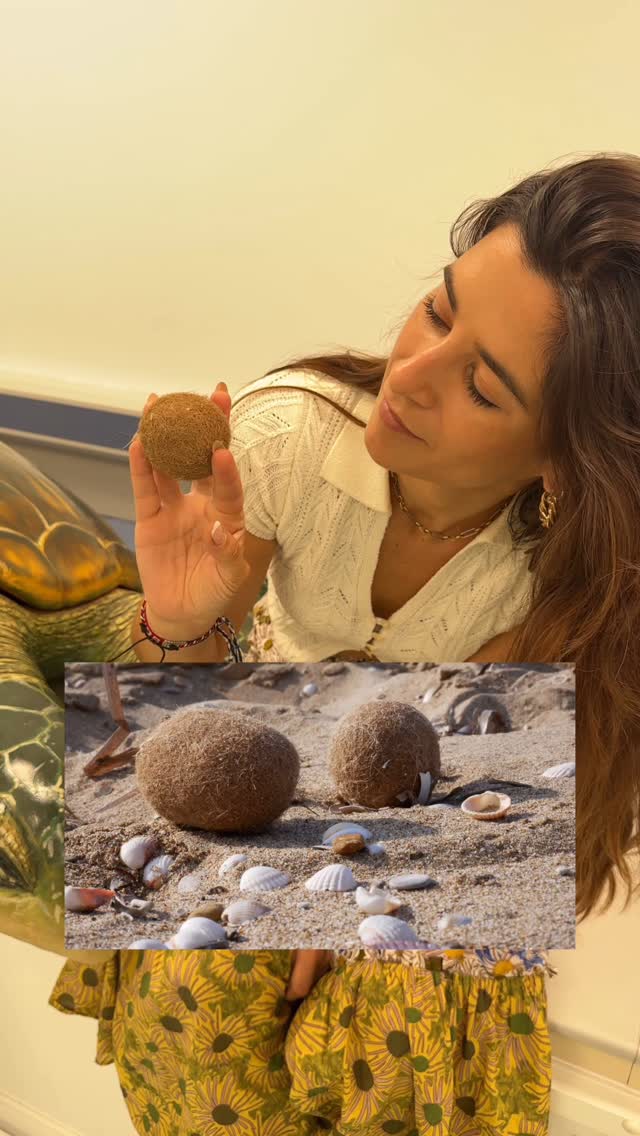
- Posidonia: An Essential Plant of the Mediterranean
- Importance of Posidonia to Marine Ecosystems
- Threats to Posidonia and Conservation Efforts
- The Role of Technology in Protecting Posidonia
- Promoting Awareness for Natural Heritage
Posidonia oceanica, often referred to simply as posidonia, is a crucial component of the Mediterranean marine ecosystem. This seagrass is not an alga, as commonly mistaken, but a flowering plant that plays a vital role in maintaining ecological balance underwater. Its unique structure and biological processes contribute significantly to the health of the marine environment.
Posidonia creates dense underwater meadows that provide habitat for various marine species. Fish, mollusks, and numerous invertebrates thrive in these meadows. Besides supporting marine life, posidonia meadows contribute to coastal protection by trapping sediments and reducing wave energy. This helps mitigate coastal erosion, maintaining the integrity of shorelines and offering a buffer against storm surges.
Understanding the multifaceted importance of posidonia goes beyond biological or ecological interest. Its presence signifies a healthy marine ecosystem, acting as an indicator of environmental quality. Posidonia is sensitive to changes in water quality, including pollution and sedimentation. A decline in its health often correlates with deteriorating marine habitats, prompting increased efforts for monitoring and conservation.
Despite its ecological significance, posidonia faces numerous threats. Coastal development, pollution, and climate change are among the primary challenges to its survival. Urbanization leads to habitat destruction; boats anchoring in seagrass meadows physically uproot the plants. Pollution from agricultural runoff and industrial waste can alter the chemical makeup of the water, further stressing these vital ecosystems. Additionally, rising sea temperatures due to climate change can hinder posidonia growth rates and reproduction.
Such factors enable posidonia to be recognized as an endangered species in several regions. Conservation initiatives have become vital in arresting its decline. Various organizations and researchers are committed to protecting these marine meadows, focusing on raising awareness and implementing strategic conservation plans.
Technology plays a transformative role in these conservation efforts. The Projecte Posidonia application, developed in collaboration with the Oceanogràfic Foundation and the City of Arts and Sciences in Valencia, is an innovative tool for tracking and preserving posidonia. This app allows users to locate and report posidonia meadows, creating a comprehensive database of existing habitats. With increased community engagement, locals and tourists alike can contribute to conservation efforts by identifying these important ecosystems.
Moreover, the app serves as an educational platform, cultivating awareness about the nature of posidonia. Many people remain unaware of its existence or importance. Promoting a better understanding of posidonia can inspire greater respect and care for natural environments.
Awareness and education are critical components of successful conservation. People often engage with their surroundings when they recognize the value of what is present. Initiatives designed to cultivate ecological literacy can foster a deeper appreciation for marine environments. The phrase “A veces proteger lo importante empieza por saber que existe” encapsulates this notion beautifully—sometimes, protecting what is important starts with the simple act of knowing it exists.
To enhance the public’s understanding of marine biodiversity, campaigns and educational programs can elucidate how posidonia supports not only marine life but also human activities. Fishermen, for instance, benefit from healthy fish populations that thrive around posidonia. Tourism in coastal areas also benefits significantly from thriving marine ecosystems. The more people understand these connections, the more likely they are to become advocates for conservation.
Another critical aspect involves collaboration among stakeholders. Engaging various groups, including local governments, scientists, and communities, can foster concerted efforts in protecting posidonia. Facilitation of educational workshops, clean-up campaigns, and community discussions can translate into collective action for the preservation of this essential plant.
International awareness initiatives can spotlight posidonia on a larger scale. It is noteworthy that this plant not only exists within national waters but also forms part of regional biodiversity that extends across borders. Therefore, cohesive efforts among Mediterranean countries are indispensable for ensuring posidonia’s continued survival. Collaborative research and sharing data across regions can track its status and devise effective management strategies together.
Scientific research will further bolster conservation efforts. Ongoing studies into posidonia habits, reproduction, and adaptability can enhance our understanding of how to protect it. Universities and research institutions have begun focusing on posidonia, ensuring knowledge keeps evolving. This investment in research is necessary for developing effective policy frameworks aimed at marine conservation.
It’s also essential to recognize that addressing climatic challenges is just as important as local conservation initiatives. Global climate action can mitigate the pressures faced by posidonia. Efforts to reduce carbon emissions and promote sustainable practices can lead to better outcomes for marine environments. Integrating climate considerations into conservation work allows for a more holistic approach, addressing both immediate and long-term threats.
Citizen science is another instrumental element in the broader conservation framework. Encouraging individuals to participate in data collection or monitoring initiatives supplements scientific research efforts. This can foster a sense of community ownership over local natural resources, creating stewards out of informed citizens.
Posidonia is more than just a plant; it is a crucial player in the Mediterranean ecosystem that requires collective action and informed advocacy. By recognizing its significance and engaging effectively in conservation efforts, we can ensure that this invaluable plant continues to thrive. The need for cultural natural literacy is paramount—not just for posidonia, but for all the delicate ecosystems that make up our natural heritage.
As we move forward, it is essential to implement sustainable practices that honor the interdependence of human and marine life. By reflecting on the interconnectedness of ecosystems, we can appreciate the importance of posidonia and position ourselves as proactive participants in its conservation. It serves as a reminder that the act of preservation begins with knowledge, awareness, and a deep-seated respect for our environment.
Given the profound challenges these ecosystems face, the urgency of collective action cannot be overstated. The responsibility lies with individuals, communities, scientists, and policymakers to work hand-in-hand to see that valuable marine plants, like posidonia, are not only recognized but protected for future generations to experience and enjoy.
Efforts to engage and educate will ultimately lay the groundwork for more sustainable cohabitation with our oceans. This commitment to learning and advocacy forms the cornerstone of effective environmental stewardship, underpinning the proactive measures necessary to safeguard the Mediterranean’s rich biodiversity for years to come.
*****
Source Description
A veces proteger lo importante empieza por saber que existe ✨
La posidonia es uno de los mayores tesoros del Mediterráneo, es una planta! No un alga… y ni siquiera la reconocemos cuando la vemos en la orilla 🏖️
Este vídeo va de la mano de la Fundación @oceanografic_vl y la @ciudadartesciencias que han creado la app Projecte Posidonia, la aplicación de localización más completa del litoral Mediterráneo para poder protegerla.
💚 Comparte si tú también crees que necesitamos más cultura natural.
