
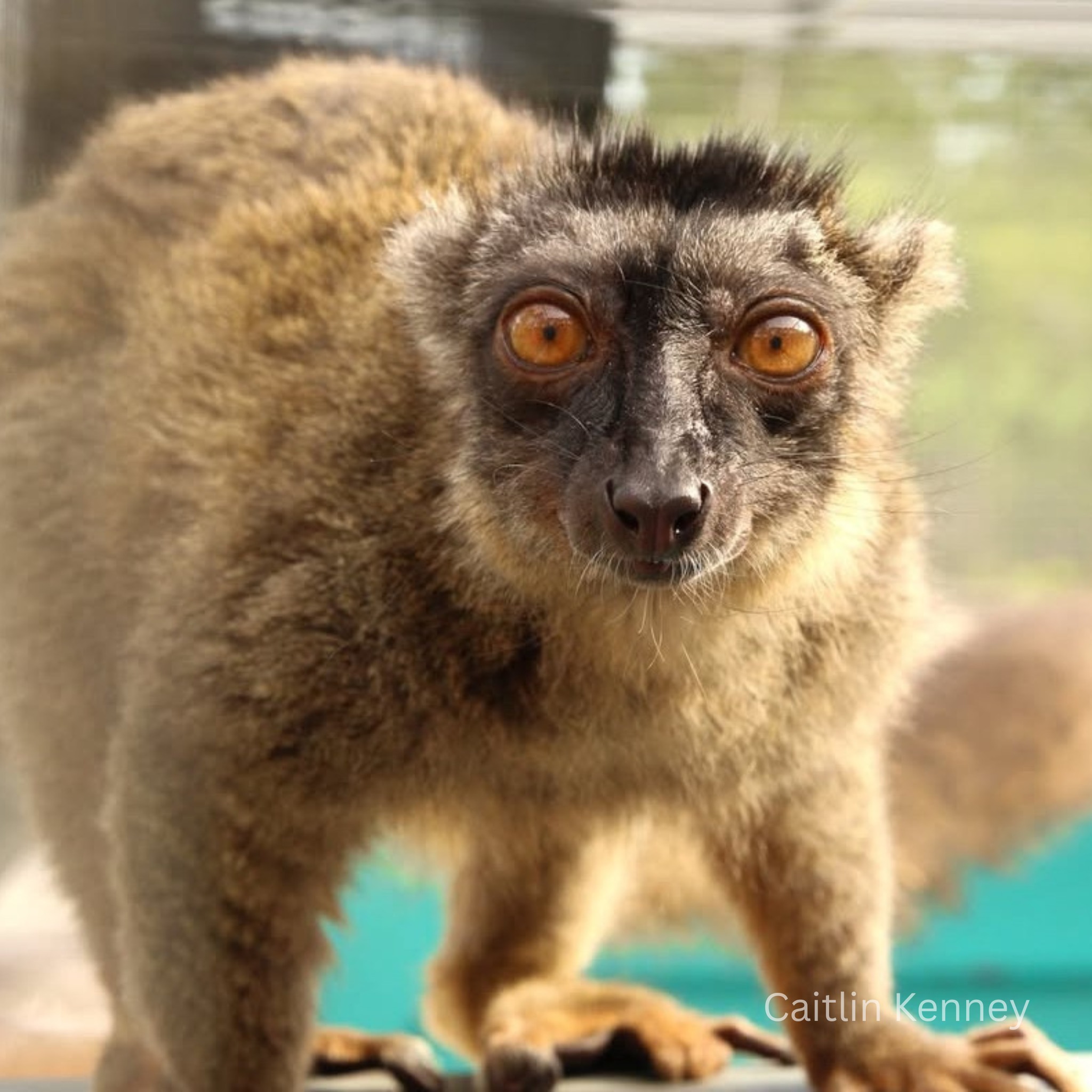
- Shiraz’s background and rescue from the exotic pet trade
- Psychological challenges faced by captive lemurs
- The social structure and behavior of brown lemurs
- The poor outcomes of keeping primates as pets
- The importance of wildlife conservation and proper care
Shiraz is a common brown lemur who has become a cherished resident at the Lemur Conservation Foundation (LCF). Arriving in 2006, her story begins with a troubling mark: confiscated from the exotic pet trade, Shiraz faced a tumultuous early life that has impacted her personality. It is worth noting that while LCF does not operate as a sanctuary for confiscated lemurs, special considerations were made for Shiraz and her family due to the current space and the advice offered by the Prosimian Taxon Advisory Group (PTAG).
Understanding Shiraz’s background is vital for appreciating her current care and management. Rescued from an environment that often disregards the well-being of exotic animals, her previous experiences led to hyper-aggression towards humans. However, with dedicated support, LCF’s team has successfully improved Shiraz’s quality of life over the years. This point highlights the ongoing need for compassionate care and patience when dealing with animals like Shiraz. Known for her “princess personality,” she engages in enrichment activities that promote mental and physical stimulation, showcasing her resilience and potential.
The psychological challenges faced by captive lemurs cannot be overstated. Captivity, especially when involving the exotic pet trade, often disrupts the natural development of an animal. Young primates like Shiraz are frequently separated from their mothers at an early stage, resulting in inadequate social skills and behavioral issues. These separations lead to long-term psychological challenges, hampering their ability to form healthy social connections. Captive lemurs often display stress-related behaviors, including hyper-aggression, caused by their impaired socialization opportunities. Shiraz’s journey serves as a poignant reminder of the lasting effects such traumas can impose on an animal’s mental health.
Brown lemurs, including Shiraz, are highly social animals that thrive within large and intricate social groups. In the wild, they exhibit complex behaviors, often working together to gather food and communicate. Their social structure emphasizes the importance of community living, where grooming and play are integral aspects of maintenance and bonding. Understanding this natural behavior is essential for anyone involved in lemur care and welfare. The need for social interaction among these primates is pivotal, and when pets are kept separately from their kind, they lose both their social abilities and the chance to flourish in a manner typical of their species.
The conditions of captivity are starkly different from their natural habitats. By nature, brown lemurs live in groups, sharing responsibilities and forming strong social ties. Shiraz illustrates the negative outcomes of solitary confinement or inadequate social environments. Her case highlights the importance of recognizing the needs of primates: they require not only physical care but also emotional and social engagement. Selecting an animal as a pet must be approached with caution and awareness of these fundamental needs. Sadly, many individuals underestimate the complexities of caring for a primate, leading to dire consequences for the animal.
Keeping primates as pets poses a spectrum of challenges. The initial appeal of having a pet primate often overshadows the reality of their care requirements. These animals require specialized attention that most individuals cannot provide. When wildlife is taken for domestic companionship, it creates substantial ethical issues and legal concerns surrounding animal welfare. The callous practice of keeping exotic pets for personal pleasure disregards the unique needs of these animals and leads to suffering. Shiraz serves as a potent symbol that emphasizes the dangers and ethical implications involved in keeping lemurs and other similar species as pets.
Preserving the well-being of species such as Shiraz hinges on increased awareness and improved understanding of wildlife conservation. The work done by organizations like LCF is invaluable for the rehabilitation of damaged lives. Providing an environment where lemurs can thrive, receive proper medical care, and engage in enriching activities is critical. The foundation not only aids in the recovery of individual primates but also works to raise public awareness regarding wildlife protection. The emphasis on responsible animal stewardship, along with educating the public about the risks linked to the exotic pet trade, can contribute to better outcomes for animals like Shiraz.
Shiraz’s journey reflects a larger narrative about the necessity for wildlife conservation. By spotlighting individual animals, the focus shifts toward broader themes of protection, rehabilitation, and education. The case of Shiraz and LCF illustrates that not only must wildlife be revered and respected, but the communities surrounding these species must also actively participate in ensuring their survival. This contributes to a more informed public that will actively oppose the illegal exotic pet trade and promote legislative changes that protect such creatures.
In summary, Shiraz epitomizes the complex challenges faced by lemurs in captivity and the continual efforts to remedy past injustices inflicted upon them. From her troubled beginnings to her current life at LCF, her story serves as a compelling call to action for all wildlife enthusiasts. It showcases the important role of conservation and the necessity of fostering a deeper understanding of the natural world.
For those interested in making a difference in the realm of wildlife care, fostering awareness remains vital. Supporting organizations that prioritize animal welfare, educating others on the importance of conservation, and advocating for ethical treatment of all creatures contribute significantly to a changing landscape. By recognizing the needs of animals like Shiraz, individuals can work towards a more compassionate future for wildlife, ensuring that their stories evolve from hardship to hope. Any engagement with primates should come from a place of respect for their natural behaviors and habitats rather than as mere pets.
Stay tuned for next week’s feature Friday! This ongoing series aims to spotlight other lemurs and share valuable insights into their lives, highlighting the importance of wildlife care, conservation, and education. Each spotlight serves as another opportunity to deepen the understanding and appreciation for lemurs and the vital roles they play in their ecosystems.
*****
Source Description
It’s ! Every week, we want to give one of our lemurs the spotlight. This week’s feature is Shiraz!
Shiraz arrived at LCF in 2006 after being confiscated from the exotic pet trade. While the Lemur Conservation Foundation is NOT a sanctuary for confiscated lemurs, after discussions with the Prosimian Taxon Advisory Group (PTAG) and the available space at the time of collection, special accommodations were made for Shiraz and her family.
As a result of her past, Shiraz has had hyper-aggression towards humans. Though, with years of diligence and patience, LCF’s caretakers have provided Shiraz with quality of life she deserves. She’s known by her caretakers for her “princess personality” and her interest in engaging with enrichment.
Let Shiraz be an example that lemurs, like other primates, never make appropriate pets. Common brown lemurs (like Shiraz) live in large, complex social groups. Pet primates are often separated from their mothers at a very young age, and as a result, prevent proper development and can result in life-long psychological and behavioral problems.
Stay tuned for next week’s feature Friday!
