
- Understanding the nature and causes of injuries in sea turtles
- The importance of hands-on care in wound management for Rose
- Types of medical supplies essential for effective wound care
- The role of public support in wildlife conservation efforts
- Guidelines and best practices for volunteer involvement in rehabilitation
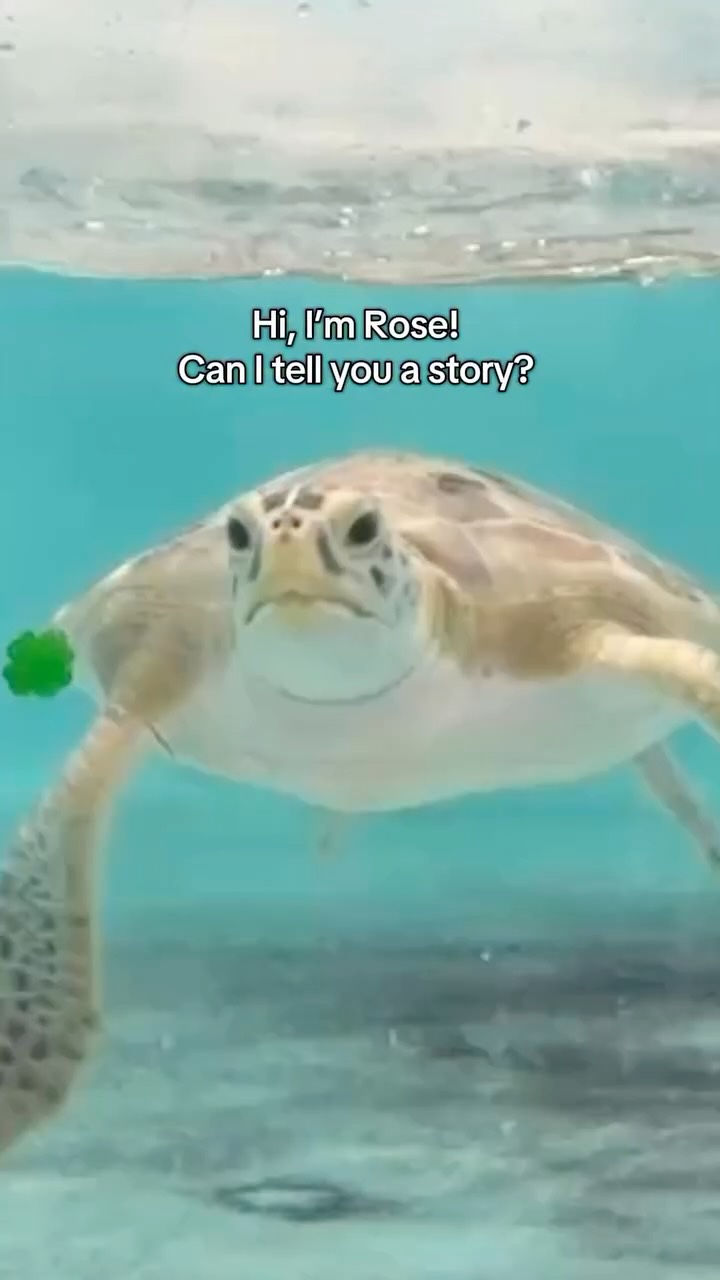
Rose, a sea turtle undergoing rehabilitation, presents a unique case for examining the injuries common in these marine reptiles. The factors contributing to their injuries can be varied, ranging from human activities such as fishing and boating to natural phenomena. Sea turtles are often caught in fishing nets or collide with boats, leading to lacerations and fractures. Additionally, marine pollution can cause infections and diseases that exacerbate their health conditions. Understanding these factors is critical for conservationists and caregivers alike, as it highlights the intertwined relationship between human activity and wildlife wellbeing.
In the process of recovery, hands-on care is paramount for Rose. Keeping wounds clean plays a crucial role in preventing infection and promoting healing. The veterinary staff involved in her rehabilitation perform regular assessments and cleanings of her injuries, ensuring they remain free from contaminants. This routine care not only involves physical cleaning but also monitoring for signs of infection, including redness, swelling, and discharge. Such vigilance is essential; an infection can complicate recovery and prolong the period before the turtle is ready for release back into the wild.
The medical supplies used in Rose’s care are as critical as the care itself. Silver honey ointment is particularly noteworthy due to its antibacterial properties, which facilitate healing without harming surrounding tissue. Sterile saline solution won’t harm the wounds and is a go-to for cleaning and rinsing. Cotton-tip applicators allow caregivers to apply ointments accurately and gently, without further damaging the injured areas. Gauze is used to cover wounds, further protecting them from environmental elements and reducing the risk of infection. All these materials play a role in ensuring Rose has the best chance for recovery. Donations from the public, such as those from an Amazon Gift Registry, directly contribute to acquiring essential supplies for Rose and other sea turtles in need of rehabilitation.
Wildlife conservation does not only rely on the efforts of professionals; public support is vital. Donating medical supplies and contributing to the funding of care facilities demonstrates community involvement in conservation efforts. Each donation helps nurture not only Rose but also other injured sea turtles. Public engagement establishes a larger network of support that extends beyond physical supplies. Educational outreach showcasing the plight of sea turtles can galvanize broader initiatives to protect marine habitats and advocate for responsible practices among boaters and fishers.
Volunteer participation is another critical dimension in wildlife rehabilitation. It is essential for volunteers to understand the responsibilities entailed in caring for injured sea turtles. This includes training on proper wound care techniques, knowledge of marine wildlife behavior, and understanding the logistical aspects of working within a rehabilitation facility. For those interested in helping, volunteering provides hands-on experience and deepens awareness of the challenges faced by marine turtles, fostering a higher level of dedication toward conservation efforts.
Participating in conservation projects elevates personal investment in the survival of species like Rose. As volunteers gain experience, they often become advocates for broader environmental issues, raising awareness about challenges facing marine ecosystems. Workshops and community events can further cultivate enthusiasm for conservation and empower others to participate.
Taking care of a turtle like Rose is a multifaceted endeavor that requires commitment and collaboration from various stakeholders. By fostering an environment of education, care, and public involvement, we can create a sustainable future for marine reptiles. While Rose may be progressing toward recovery, the continuous support of the community will be vital in her journey back to the wild.
*****
Source Description
Rose’s injuries have required a lot of hands on care to keep them clean and prevent infection! S/he may be looking more beautiful by the day, but still has a long way to go before s/he is ready for release.
Contribute to Rose’s wound care by donating medical supplies like silver honey ointment, sterile saline, cotton-tip applicators, gauze and more from our Amazon Gift Registry through the link in our bio 🔗
.
.
.
All sea turtle conservation work is authorized by the SC Department of Natural Resources Marine Turtle Permit No. 2025-0004
