
- The ecological significance of mangroves and redwoods.
- How conservation efforts connect mangroves and redwoods.
- The role of zoos and aquariums in promoting awareness and conservation.
- The impact of climate change on both habitats.
- The importance of community engagement in conservation initiatives.
The ecological significance of mangroves and redwoods cannot be overstated. Both play crucial roles in their respective environments, acting as vital components of ecosystem health and resilience. Mangroves are coastal trees found in tropical and subtropical regions, thriving in brackish water where land meets sea. They serve as buffers against storm surges, reducing coastal erosion while providing habitat for a myriad of species. These unique ecosystems are often referred to as “nurseries” for marine life, including fish and crustaceans, which rely on mangrove roots for shelter and food.
On the other hand, redwoods are towering coniferous trees, predominantly found in the coastal regions of California. These trees form dense forests that contribute to biodiversity by providing habitat for various species, including many that are endemic to the region. Additionally, the sheer size and age of redwoods contribute significantly to carbon storage, making them vital players in the fight against climate change. Their ability to sequester large amounts of carbon dioxide ensures that they not only thrive in their environment but also enhance air quality beyond their immediate surroundings.
The connection between mangroves and redwoods extends beyond their individual ecological roles. Both systems are integral to the health of our planet and face similar threats due to human activities and climate change. Conservation efforts that aim to protect these ecosystems provide a way to integrate various strategies and foster awareness about the importance of preserving both environments. For instance, the planting of mangrove trees at the recent zookeeper conference underscores how organizations are stepping beyond typical conservation frameworks to embrace a holistic approach. By linking efforts in coastal and forest ecosystems, these initiatives highlight the interconnectedness of nature and the necessity of comprehensive stewardship.
Zoos and aquariums are uniquely positioned to promote awareness and conservation of both mangroves and redwoods. These institutions serve as critical platforms for education and outreach, providing visitors with valuable insights into the significance of these ecosystems. By showcasing the biodiversity found in both habitats, zoos and aquariums can foster a deeper appreciation for nature and encourage individuals to take part in conservation efforts. For example, many facilities engage in breeding programs for various species native to these ecosystems while simultaneously utilizing educational programs to raise awareness about their declining populations.
Moreover, studies demonstrate that direct engagement with animals and nature significantly increases people’s willingness to support conservation initiatives. Visitors often leave these institutions with a renewed sense of responsibility and urgency regarding environmental stewardship. When organizations emphasize their commitment to preserving habitats like mangroves and redwoods, they inspire individuals to advocate for change in their communities. Interactive programs that encourage active participation, such as tree planting or volunteer days, allow people to connect more deeply with their environment.
Climate change poses significant threats to both mangroves and redwoods. Rising sea levels challenge the survival of mangrove ecosystems, diminishing their ability to act as natural barriers against storms. Simultaneously, increased temperatures and prolonged drought conditions place immense stress on redwood forests. These trees require specific climatic conditions to thrive. Any alterations in their environment could lead to shifts in forest composition and health.
Research indicates that as climate change accelerates, both mangroves and redwoods may need protection strategies through fortified ecosystems. These strategies could employ methods such as assisted migration, where trees or plants are relocated to areas with more suitable climates. Efforts must also focus on restoring degraded environments, enhancing the overall resilience of ecosystems against climatic fluctuations. Addressing these challenges requires coordinated action from various stakeholders, including scientists, policymakers, and community activists.
Community engagement is fundamental in conservation initiatives, and organizations are increasingly leveraging their platforms to educate the public about the importance of both mangroves and redwoods. Events like tree planting operations allow community members to be active participants in conservation. Engaging local schools and universities through programs that highlight the ecological benefits of these trees fosters a sense of stewardship and responsibility towards natural habitats.
In addition, many organizations advocate for the protection of mangrove and redwood forests through policy avenues. Raising awareness about their ecological significance can lead to stronger legal protections and funding for conservation projects. Encouraging local governments to implement policies that support habitat protection is critical for maintaining the integrity of these ecosystems.
This integrative approach to conservation can yield numerous benefits. Not only does it enhance biodiversity, but it also promotes ecosystem services that are vital for human well-being, such as clean water, coastal protection, and climate regulation. As more individuals and organizations prioritize both mangrove and redwood conservation, the resulting network of support can lead to lastingly positive outcomes for these vital ecosystems.
In our increasingly interdependent world, the relationship between seemingly disparate ecosystems like mangroves and redwoods becomes clearer. Conservation efforts that integrate initiatives across different environments demonstrate how interconnected nature truly is. By protecting both habitats, we safeguard species that rely on these systems while investing in the health of our planet as a whole.
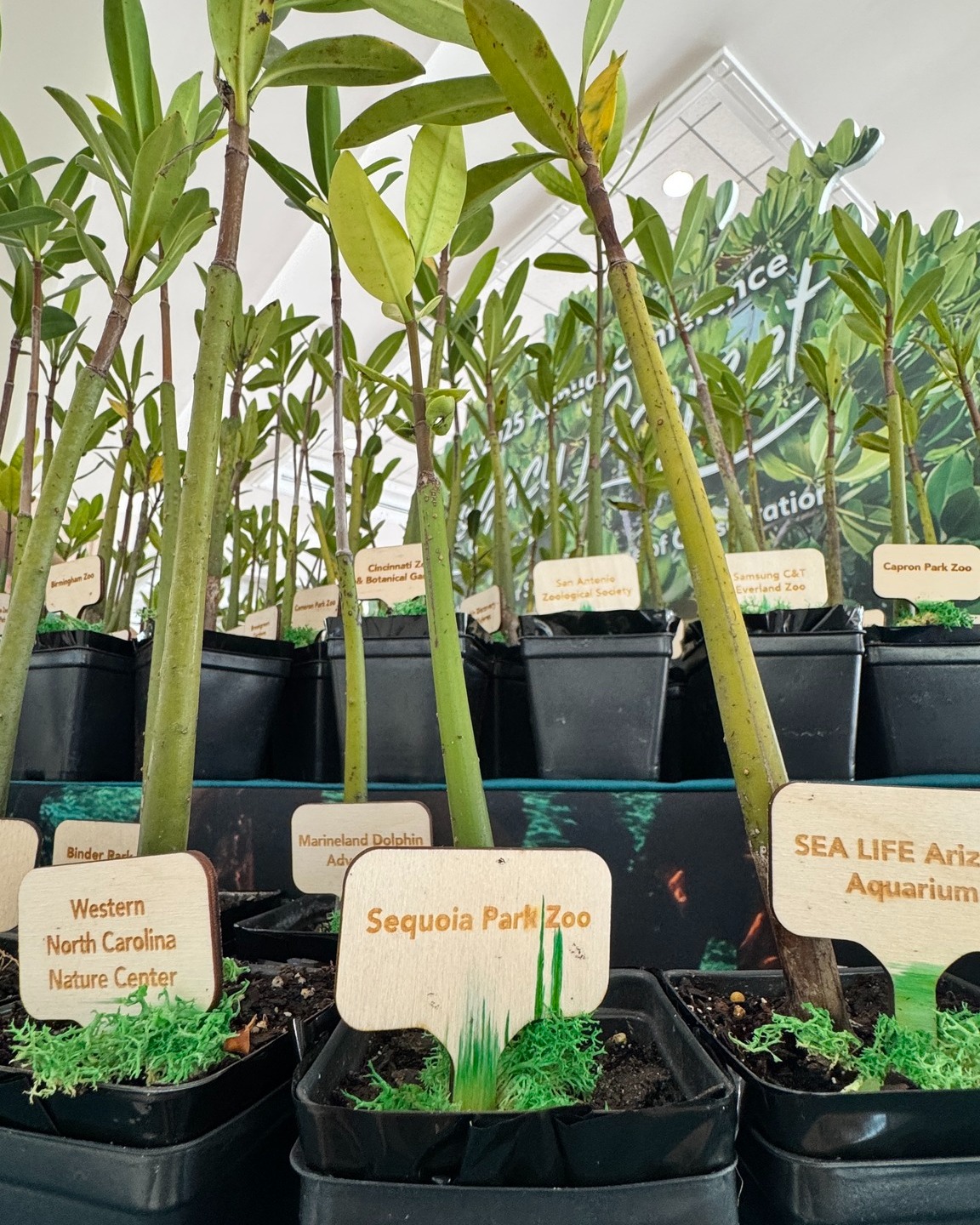
The innovative Legacy Project initiated during the recent conference illustrates this interconnected approach to conservation. Planting a mangrove tree for each member organization present underlines the significance of collaborative efforts in the conservation movement. It serves as an invitation for all participants to engage with and advocate for the ecosystems that support myriad life forms.
In this spirit of shared responsibility, it is essential to actively promote initiatives that connect coastal and forest ecosystems. Educational programs should extend beyond mere awareness, providing concrete actions individuals can take in their daily lives. From reducing plastic use to advocating for stronger environmental policies, every action has an impact.
The collaboration between organizations that advocate for different ecosystems can yield innovative strategies that might not have emerged in isolation. By fostering dialogue and partnerships, the conservation community can develop a collective identity that emphasizes the broader ecological picture. As regions witness the overlapping impacts of climate change and habitat loss, this network becomes increasingly essential to developing effective responses.
Mangroves and redwoods, though distinct ecosystems, share numerous similarities regarding their significance to both biodiversity and human health. As stewards of our environment, we must recognize the urgency of addressing the challenges facing these habitats and work collaboratively towards sustainable solutions.
The partnerships forged at events such as the recent zoo and aquarium conference signify a collective commitment to conservation. By focusing efforts on both mangrove and redwood ecosystems, we fortify our natural landscapes. Investing in community engagement, fostering educational initiatives, and spearheading strong policy advocacy are all essential components in preserving these vital ecosystems for future generations.
As we work towards a more sustainable future, it is imperative to acknowledge the lessons learned from our interconnected ecosystems. We must advocate for collaboration and awareness, uniting our efforts to create comprehensive strategies that offer meaningful solutions to the challenges we face. In doing so, we can build a world that values conservation and recognizes the crucial roles that both mangroves and redwoods play in maintaining our planet’s health.
*****
Source Description
Wait – what do mangroves have to do with redwoods?
Last week, our Sequoia Park Zoo Director joined hundreds of zoo and aquarium professionals at @zoos_aquariums 2025 Annual Conference hosted by @floridaaquarium, @zootampa, and @buschgardens.
Check out this Legacy Project from @floridaaquarium in which a mangrove tree was planted for every member organization attending the conference. Hospitality AND conservation? Talk about a winning combination!
Mangroves are critical to coastlines around the world and support vibrant ecosystems above and below the water. 🌱🌊
We are proud to represent the redwood region in the AZA and stand alongside organizations that champion and inspire conservation across the country and around the world.
