
- The popularity of sloth experiences and their role in wildlife tourism.
- The impact of social media on wildlife interactions and the ethics involved.
- The importance of responsible wildlife encounters for conservation efforts.
- The biological and ecological significance of sloths in their natural habitats.
- Strategies for promoting sustainable wildlife tourism.
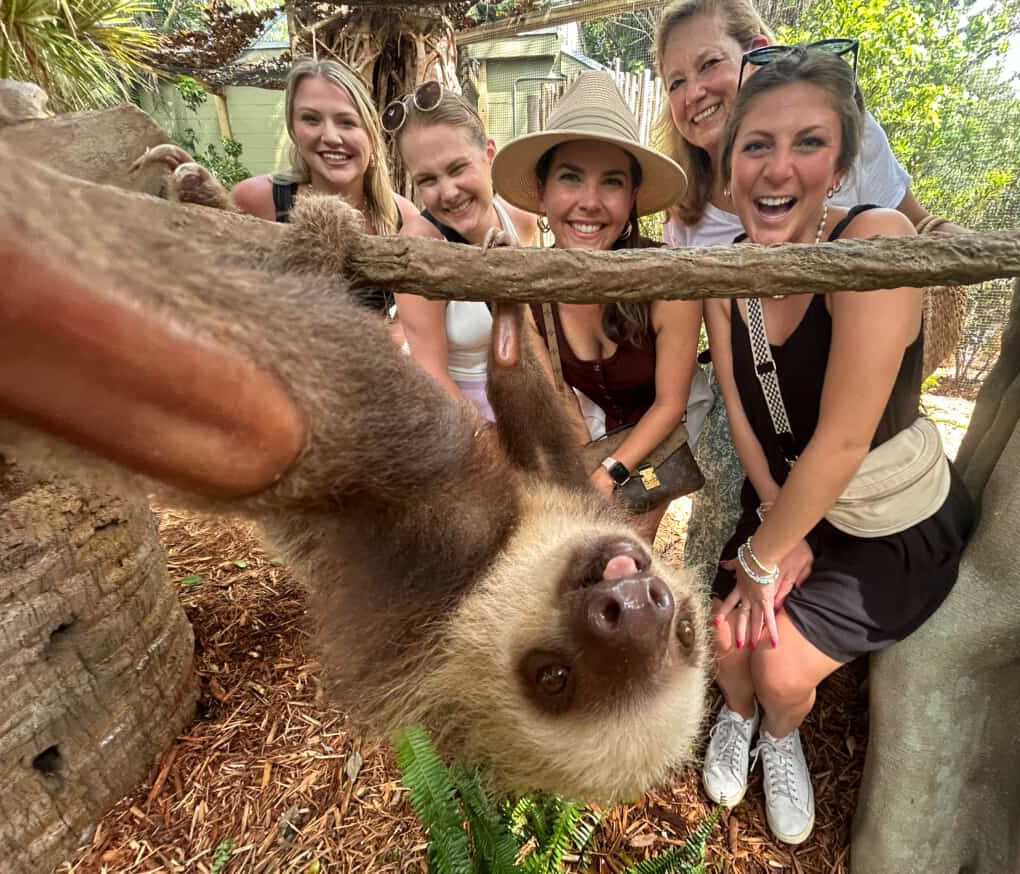
The surge in interest for sloth experiences exemplifies how wildlife tourism can capture the hearts of many. This particular trend highlights the charm and leisurely lifestyle of sloths, making them the focal point of numerous zoo and sanctuary attractions. Fern’s relentless selfie-taking during these encounters captures both joy and concern. While capturing memories is natural, it raises questions about the ethics surrounding animal interactions.
When examining the popularity of sloth encounters, we find a fusion of human fascination and the appeal of exoticism. Sloths, often featured in documentaries and social media, have become icons of gentleness and slowness in an increasingly fast-paced world. This admiration transforms into a lucrative segment of wildlife tourism. Enthusiasts flock to experience these engaging creatures up close and personal. Despite the allure, this popularity necessitates careful scrutiny. Each interaction carries implications for the well-being of the animals and the ecosystems they inhabit.
Social media platforms have emerged as pivotal channels that promote wildlife experiences, yet they also complicate ethical interactions with animals. Images of sloths being cuddled or posed with guests often emerge on Instagram feeds. While these serve as joyous tokens of human-animal connections, they also spark crucial conversations about consent, welfare, and appropriate behavior in wildlife encounters. Animals are not props; they are complex beings whose well-being should be paramount. Fern’s selfie obsession serves as a case study in how social media can inadvertently turn living beings into commodities, overshadowing their intrinsic value as wildlife.
Ethics in wildlife tourism is not merely a philosophical standpoint; it translates into real-world consequences. Responsible wildlife encounters require paying attention to animal behavior and ensuring that experiences are not stress-inducing. Species like sloths, known for their slow metabolic rates and specific needs, can suffer if their environments are not respected. Stress from overexposure to human activity can lead to behavioral changes and health issues. Fern’s case encapsulates the need for educating visitors on these aspects to foster respectful engagement.
Understanding the biological significance of sloths enriches our experience of wildlife encounters. Sloths, belonging to the order Pilosa, have evolved to thrive in the canopy of Central and South American rainforests. Their slow metabolism is a remarkable adaptation to their diet of leaves, which are low in calories. They can spend up to 20 hours a day resting, energy conservation being crucial for survival. Importantly, sloths contribute to their ecosystem through their feeding habits. By consuming leaves, they help cultivate plant diversity. Additionally, their fur hosts unique algal communities, further linking them to the rainforest’s ecology.
Promoting sustainable wildlife tourism becomes vital in balancing human interest and animal welfare. Those in the industry must focus on practices that prioritize educational encounters over passive observation. Programs should emphasize the natural behaviors and needs of wildlife, transforming selfies into moments of respect and awareness. Responsible tourism prioritizes conservation. Engaging guests in discussions about habitat preservation and ecosystem conservation is critical as they participate in these experiences.
As wildlife enthusiasts venture into sloth experiences, it is crucial to advocate for animal well-being. Booking encounters with facilities that uphold high welfare standards ensures that animals are treated ethically. Observing sloths in naturalistic environments helps foster a deep appreciation for these creatures. Educated visitors leave with a more profound respect for biodiversity and conservation efforts.
Fern’s selfies might risk overshadowing the sloths themselves, but they can also promote awareness of wildlife issues. If framed properly, the widespread sharing of sloth experiences can prompt discussions about conservation, habitat loss, and the urgent need to protect these remarkable creatures. Platforms mandating educational initiatives and interactive learning can transform a simple selfie into a powerful catalyst for change in wildlife tourism.
Sloths symbolize a broader conversation about respect for wildlife amidst the tide of social media influence. The unique blend of education and engagement can benefit all stakeholders involved. Awareness campaigns utilizing social media can highlight urgent environmental issues, prompting action from the community. Emphasizing responsible behaviors among visitors cultivates a new generation of wildlife advocates.
In essence, while Fern’s selfie antics may seem frivolous, they reflect a wide-ranging narrative that encapsulates both the charm of sloths and the ethical complexities inherent in wildlife tourism. Encouraging appreciation based on knowledge leads to support for broader conservation initiatives, benefiting not only sloths but also the myriad species sharing their habitat.
In the pursuit of sustainable wildlife tourism, zoos, sanctuaries, and conservation organizations bear the responsibility of crafting experiences that educate and engage without exploiting. Balancing the excitement of animal encounters with mindfulness can pave the way for a more conscientious tourism model. By forging meaningful interactions that honor sloths’ well-being, we cultivate stewards of the environment, bound by appreciation and respect.
Increasing synergy between wildlife experiences and conservation education ensures that the allure of sloths does not come at the cost of their welfare. The lens through which we view these creatures should extend beyond mere entertainment. Through informed advocacy and ethical standards, wildlife tourism can contribute to preserving the fragile ecosystems that sloths and myriad other species rely upon.
Much remains to be done in shaping the future of wildlife encounters. Public awareness plays a critical role in influencing behaviors and establishing a culture of respect for animals. Rather than merely participating in snapshot moments, individuals can emerge as champions for wildlife conservation. Social media content produced responsibly can spotlight the original beauty of sloths, or any animal, emphasizing their role in the ecosystem rather than framing them as just photogenic subjects.
Fern’s obsession with selfies during sloth experiences spotlights the need for robust discussions around animal care and ethical practices in wildlife tourism. Together, we can harness the power of social media to shift perceptions, revealing the intertwined fates of humans and animals in the quest for harmony.
In the grand narrative of zoology and conservation, sloths represent more than quirky animals; they stand as ambassadors for the widespread issues facing wildlife today. Each encounter offers a chance to reflect on our relationship with nature and the responsibilities that come with that connection. Understanding and respecting these creatures is key to fostering a sustainable future, where both humans and sloths can thrive harmoniously in shared spaces.
The opportunity to experience sloths up close shouldn’t be taken lightly. It carries with it the promise of deeper understanding and action. Fern’s selfies may bring attention, but the challenge lies in ensuring that attention translates into awareness, respect, and tangible steps toward conservation.
Engagement begins with education. As wildlife tourism continues to evolve, ensuring that experiences prioritize the welfare and dignity of animals must underpin every action taken. Those who cherish the beauty of sloths can transform their love into advocacy, driving change in wildlife tourism that protects both animals and ecosystems. The journey has just begun; commitment to this cause will lead us toward a brighter, more sustainable future.
*****
Source Description
“Okay, everybody get in!”
Fern refuses to stop taking selfies during sloth experiences. We’ve created a monster!
Visit the link in our bio to schedule yours today!
📸: @slatkowhusakpr
