
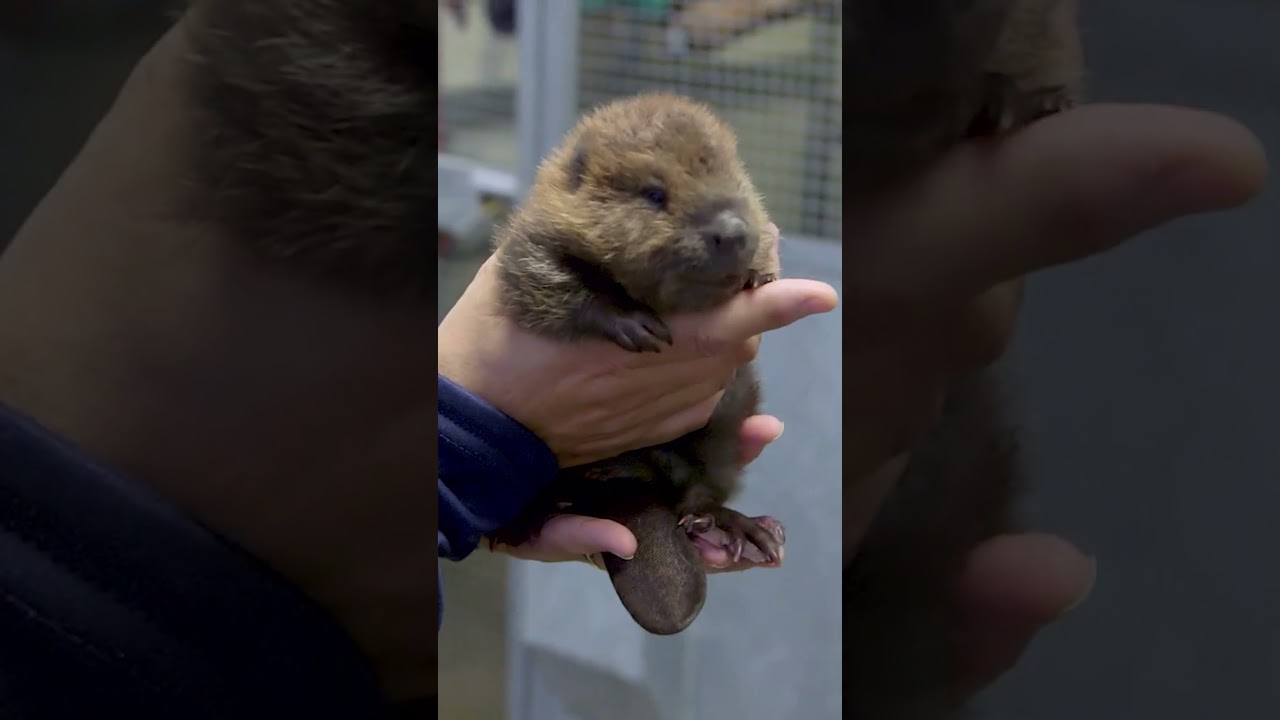
- Introduction to Baby Beaver Butternut: Importance and Characteristics
- Zoological Aspects of Beavers: Behavior and Ecology
- Zoo Management and Care for Beavers: Practices and Challenges
- Role of Beavers in Wildlife Conservation: Ecosystem Impact
- Importance of Public Education and Engagement in Beaver Conservation
The baby beaver, affectionately known as Butternut, has become a captivating ambassador for its species, drawing interest not only in zoos but also in wildlife conservation circles. This article delves into the rich details of Butternut’s significance through various perspectives including zoology, zoo management, and conservation.
Beavers, recognized for their incredible engineering skills, play a pivotal role in their ecosystem. Understanding the biology and ecology of these rodents is essential for anyone passionate about wildlife. Beavers are the second-largest rodents and are known for building elaborate lodges and dams, using a mix of instinct and learned behavior. The anatomical features of beavers, including their webbed feet and powerful tails, are adapted for a semi-aquatic lifestyle.
In zoo settings, caring for baby beavers like Butternut involves specialized practices. Zoo management requires a well-rounded understanding of the species’ needs such as diet, habitat, and social interactions. Strategies must be implemented to promote natural behaviors while ensuring the health and safety of the animals. Facilities providing enriched environments that mimic natural habitats are crucial in helping Butternut and other beavers thrive.
Beavers are notable for their ability to alter landscapes, creating wetlands that support biodiversity. Their dam-building activities can improve water quality and provide habitat for a wide range of species. Therefore, their role in wildlife conservation is vital. Preserving beaver populations aids in maintaining ecological balance and maximizing the resilience of ecosystems in the face of environmental challenges.
Public education and engagement are fundamental in fostering appreciation and understanding of beavers’ ecological importance. Educational programs in zoos and wildlife reserves help raise awareness and promote conservation efforts. By engaging visitors with stories like that of Butternut, institutions can cultivate a sense of stewardship and inspire action to protect these industrious creatures.
In summary, Butternut the baby beaver serves as a testament to the ecological value and captivating nature of beavers. Zoological studies, zoo management practices, conservation efforts, and public education all play interconnected roles in safeguarding the future of these remarkable animals. Through comprehensive analysis and dedicated care, we can contribute to their preservation and the overall health of our natural world.
*****
Source Description
Throwback to baby Butternut for International Beaver Day! 🦫 Butternut turns 7 on April 29.
