
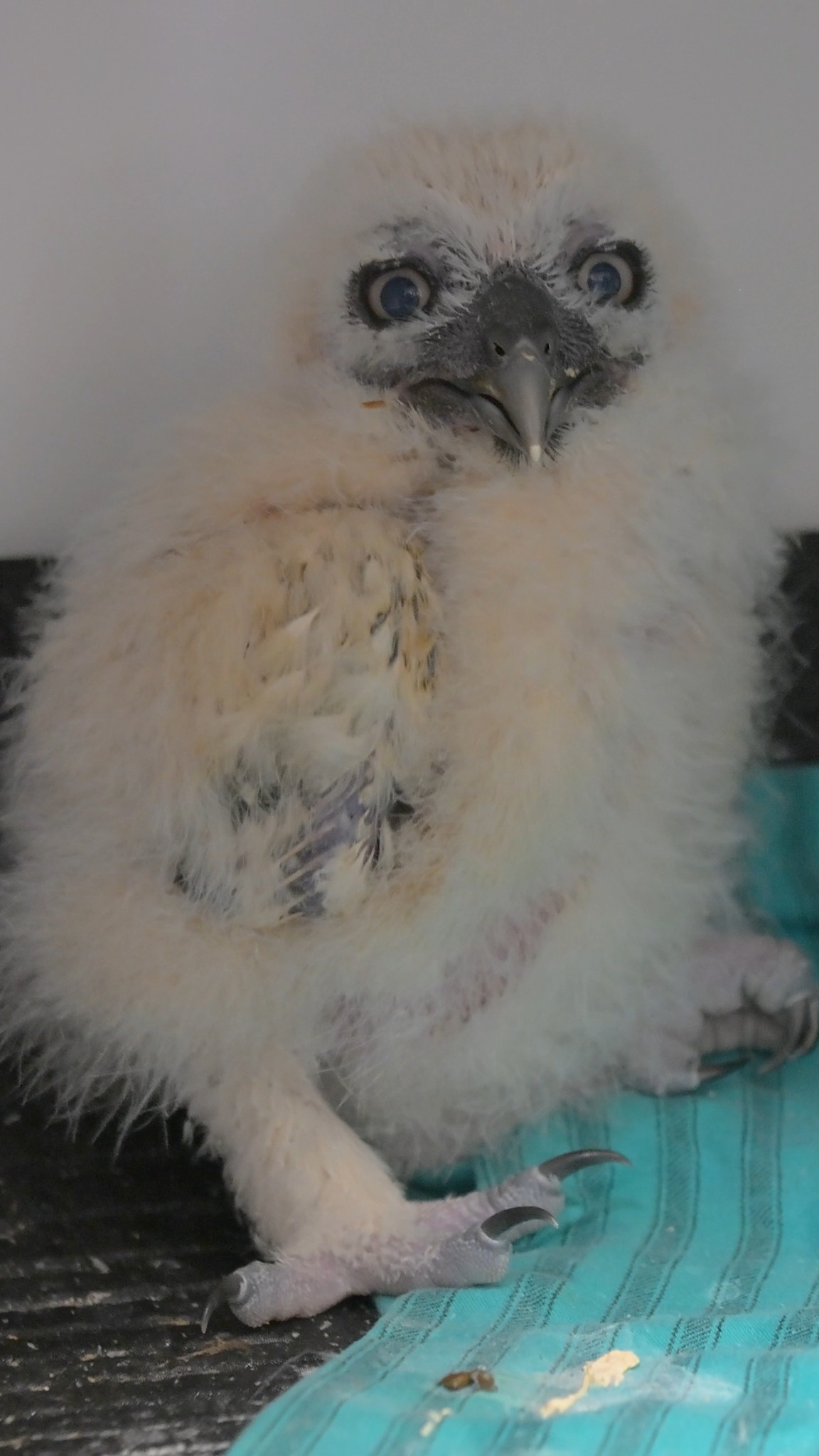
- Baby spectacled owl: an introduction to our newest resident
- Significance of veterinary care in wildlife rehabilitation
- Spectacled owl behavior and habitat
- Conservation efforts surrounding owl species
- Educational impact on wildlife awareness and appreciation
Meet our newest resident, an adorable baby spectacled owl, who has captured the hearts of everyone at the facility. At just one month old, this tiny creature is growing rapidly, with the watchful eyes of our veterinary team making sure everything develops as it should. Currently behind the scenes, this little owlet is receiving the best care possible, and so far, all indicators show that it is thriving.
The baby owl belongs to the species Pulsatrix perspicillata, commonly known as the spectacled owl. This particular owl gets its name from the distinct white markings around its eyes that resemble spectacles. This feature not only adds to its charm but also serves a role in species identification. The spectacled owl can be found primarily in the tropical forests of Central and South America, including regions in countries like Colombia, Brazil, and Ecuador. Their adaptation to dense forests makes them one of the more intriguing birds of prey in their ecosystem.
Veterinary care is paramount in ensuring the health and well-being of this young owlet. The complexities surrounding wildlife rehabilitation are significant, particularly for species like owls. An avian veterinary team specializes in caring for these creatures, as they require specific diets, environments, and socialization to thrive. The baby owl is being monitored for signs of growth and development, as well as signs of illness or distress. Regular check-ups involve assessing body weight, feather growth, and behavior as indicators of health. The veterinary staff is committed to providing the best nutrition, which includes a carefully balanced diet rich in proteins and essential vitamins. This attention to dietary needs is critical in helping the young bird grow strong and healthy.
Spectacled owls are nocturnal birds known for their powerful talons and exceptional hunting skills. In the wild, they primarily feed on a variety of small mammals, birds, and insects. They practice a hunting method called “sit-and-wait,” where they perch silently in trees and swoop down on unsuspecting prey. In understanding their behavior, it becomes clear that their nocturnal lifestyle has equipped them with keen senses, particularly exceptional night vision. As our baby owlet continues to grow, it will develop these critical hunting skills, which will serve as its primary means of survival in the wild.
Habitat conservation is a pressing concern for tissues surrounding wildlife, especially for species like the spectacled owl. Deforestation, habitat fragmentation, and human encroachment have significantly decreased their natural living spaces. Efforts aimed at habitat preservation are essential for promoting the survival of such species. Organizations focused on wildlife conservation conduct habitat restoration projects and work with local communities to raise awareness about the importance of protecting natural ecosystems. Ensuring the survival of the spectacled owl means maintaining healthy forest environments, which support not only owls but other wildlife as well.
Educational outreach and public awareness play a vital role in conservation efforts surrounding owls. Organizations often engage with local communities and schools to educate the public about the lives of owls and the challenges they face in their habitats. They provide resources on how individuals can contribute to conservation efforts, whether through citizen science projects or advocating for wildlife-friendly policies. Programs that feature resident owls, such as our very own baby spectacled owl, are particularly impactful. They bring people closer to wildlife and cultivate an appreciation for the complexities of the ecosystem.
As our baby owlet continues to grow, we will be sharing updates on its journey. This beautiful creature is not only an adorable addition to our family but serves as a living testament to the efforts of wildlife rehabilitation and conservation. Every visitor who encounters this fluffy little resident becomes part of a broader narrative that highlights the importance of protecting avian species and their habitats. By engaging with wildlife in nurturing environments, we create opportunities to foster respect and understanding for these incredible birds.
The health and development of the baby spectacled owl serve as a reminder of the intricate connections that exist within nature. It symbolizes a chance to engage in conversations about wildlife conservation, environmental stewardship, and the responsibilities we hold as stewards of the earth. We encourage everyone to take an interest in the lives of these magnificent birds. Understanding their behaviors, challenges, and importance is essential for fostering a sustainable future for wildlife.
Ultimately, through ongoing vigilance and a commitment to education, we can promote a culture of respect for all wildlife—especially for adorable residents like the baby spectacled owl. Every small action contributes to the larger mission of conserving ecosystems and ensuring that future generations also have the opportunity to appreciate the beauty of nature, particularly the charm of owls.
*****
Source Description
Just an owl-dorable little fluff! 🦉 Meet our newest (and cutest) resident, a baby spectacled owl growing steadily behind the scenes. At just one month old, this tiny owlet is still under close watch from our veterinary team, who are making sure everything is developing and progressing well. So far, all signs are positive for the little one.
