
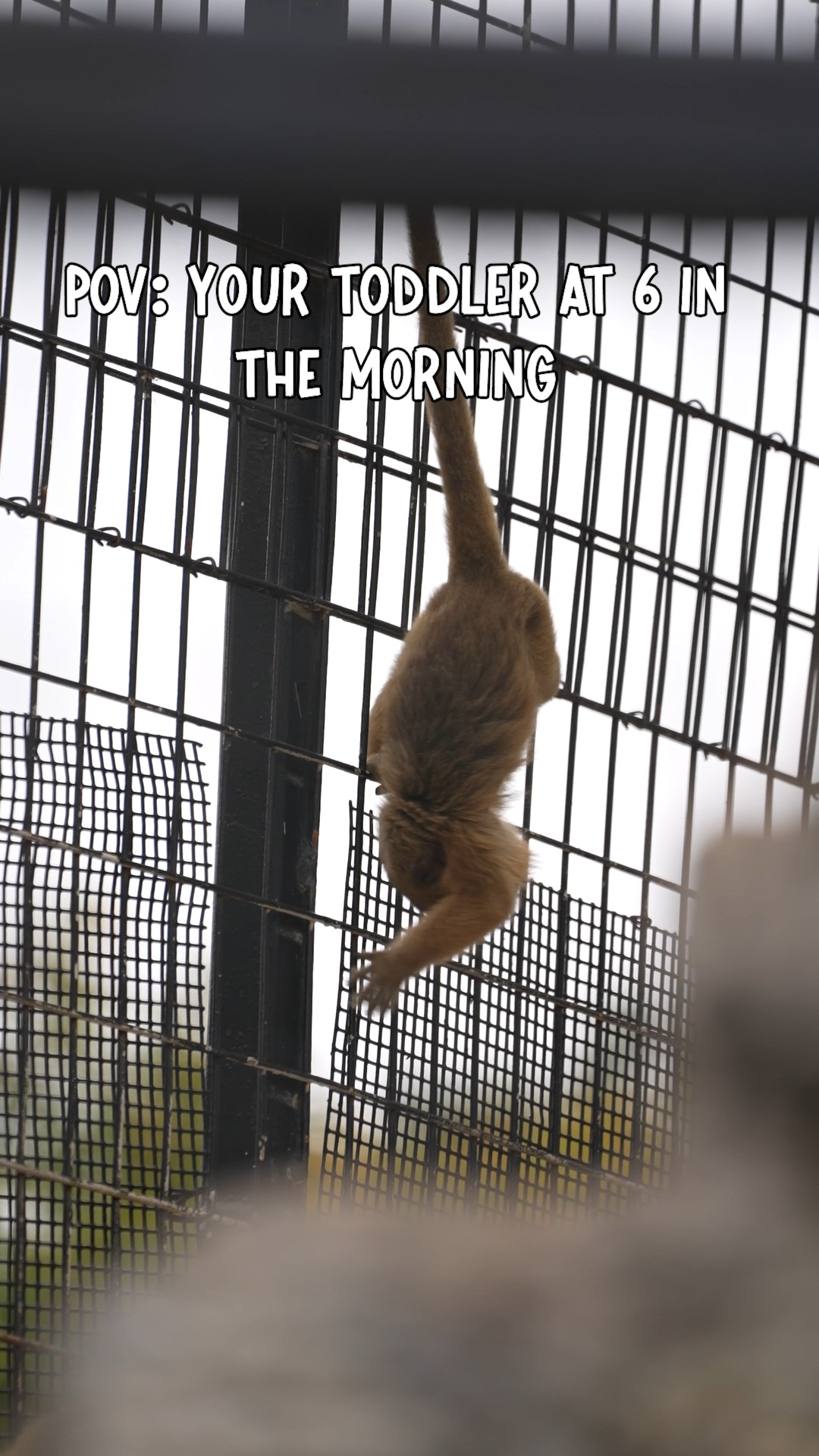
- Motherhood across species: Evolutionary insights
- Maternal behaviors in the animal kingdom
- The impact of environmental factors on parenting
- The role of zoo management in promoting maternal care
- Nature vs. nurture: Lessons learned from animal motherhood
Motherhood transcends species, reflecting a complex interplay of evolution, behavior, and environment. While the mechanisms may vary widely from one species to another, the fundamental experience of nurturing offspring is a common thread that runs through the animal kingdom. Understanding this shared experience not only enriches our appreciation of wildlife but is also crucial for effective conservation strategies.
To begin with, motherhood across species offers significant evolutionary insights. The maternal instinct is generally driven by the need to pass on genetic material. In many species, maternal care can enhance the survival of young. For instance, in mammals, gestation periods are typically longer. This investment allows for more developed young at birth, increasing their chances of survival. The nurturing behavior seen in various species, from mammals to birds and even reptiles, reflects adaptations aimed at ensuring the perpetuation of the species.
In the context of mammals, the behaviors of nurturing range from social structures in elephants to solitary parenting in some bears. Elephants exhibit a matriarchal society, where older females lead herds, often providing guidance and protection, while also aiding in the upbringing of calves. Their nurturing extends beyond immediate maternal care, as they will assist in rearing offspring that are not their own. This cooperative rearing increases calf survivability and strengthens social bonds within the herd.
In contrast, many species adopt different strategies. For instance, certain species of fish, such as some types of marine cichlids, exhibit mouthbrooding behavior, where the mother carries her young in her mouth for protection. This style is highly effective in safeguarding the vulnerable young from predators. These examples underscore how various species have adapted their maternal strategies to suit their environmental challenges and social structures.
Maternal behaviors in the animal kingdom encompass a wide range of strategies and activities, commonly categorized into direct care and indirect benefits. Direct care includes actions such as feeding and grooming, while indirect benefits involve teaching survival skills. In some bird species, mothers will teach fledglings important skills needed for survival, providing critical lessons in foraging and predator avoidance. These skills often make the difference between life and death, highlighting the importance of maternal roles in shaping the future generation.
Beyond immediate care, a mother’s behavior can impact the long-term development of her offspring. For example, studies on primates, including gorillas and chimpanzees, reveal that maternal interactions are crucial for social development. Young primates learn by observing their mothers. This learning process is vital in developing critical social cues and behaviors necessary for navigating their complex communities.
Environmental factors significantly influence maternal behaviors across species. Habitat conditions, climate, food availability, and the presence of predators can shape how mothers care for their young. In regions where resources are scarce, some animals engage in more aggressive forms of maternal care, fiercely defending their offspring. For instance, polar bear mothers typically invest in prolonged nursing periods to ensure that their cubs maximize fat reserves before the harsh winter months.
The influence of habitat is not solely determined by natural conditions. Anthropogenic factors, such as urbanization, can disrupt traditional maternal behaviors. Animals adapting to urban environments frequently alter their reproductive strategies. For example, some bird species, such as pigeons or sparrows, may change their nesting habits to accommodate human structures. Understanding these adaptations is critical for effective wildlife management and conservation efforts.
Zoo management plays a vital role in nurturing maternal instincts within captive animal populations. The primary goal of zoos extends beyond entertainment; they are also crucial for conservation and education. Effective zoo management practices facilitate breeding programs that prioritize genetic diversity. These initiatives often involve introducing younger animals to older ones to encourage natural bonding behaviors. By recreating natural social structures, zoos promote maternal instincts that may otherwise decline in captivity.
Environments created within zoos must encourage natural behaviors. Enrichment, designed to stimulate the animals’ physical and mental well-being, is paramount. For example, providing nesting materials for birds or hiding food for primates helps simulate their natural habitat. Such tools actively promote maternal behaviors, allowing young animals to learn essential survival skills in an environment that, albeit artificial, can still mimic natural settings.
The necessity of promoting maternal behaviors is underscored when we consider endangered species. Captive breeding programs often focus on maternal care as a major factor in the survival of the species. The success of species reintroduction efforts often hinges on healthy maternal behaviors observed in captive environments. For instance, the California condor program showcases how fostering strong maternal bonds can lead to successful breeding and population recovery, showcasing the role of zoos in conserving animal species.
Nature versus nurture theories are intricately tied to animal motherhood, offering lessons valuable to both wildlife management and human society. Maternal influence can shape not just individual behavior but also broader social structures within animal populations. The delicate balance between genetic predisposition and learned behavior allows for greater adaptability in changing environments. Understanding the nuances of maternal care provides insights into improving conservation practices that foster natural behaviors.
As we explore myriad maternal behaviors in animals, it becomes clear that the principles of motherhood are remarkably universal. Each species exhibits adaptations finely tuned to their specific ecological niches. Yet the overarching themes of nurturing, protection, and skill transfer remain consistent. Observing these dynamics can offer profound insights into the principles of care and responsibility applicable to all species, including humans.
Active studies in animal behavior highlight the relevance of emotional intelligence in maternal behavior. Research indicates that maternal bonds often foster resilience, intelligence, and social capabilities among the young. For instance, across several mammal species, including humans, the ability to empathize is enhanced through early maternal interactions. This carries importance not just for individual development but also for social cohesion.
Understanding these shared experiences fosters a broader comprehension of how interconnected life can be. The parenting patterns observed in the wild can serve as crucial lessons in compassion, responsibility, and community. As humans engage in discussions about parenting and nurturing, insights gained from animal behaviors enhance our understanding of development and mental health.
Advocacy for wildlife conservation often emphasizes the preservation of habitats that enable these maternal behaviors. Protecting ecosystems ensures that mother animals can raise their young in environments that support their natural instincts. This is crucial not just for animal populations but also for maintaining ecological balance.
Awareness and education play key roles in fostering respect for wildlife. Public education programs in zoos and aquariums aim to bridge the gap between human understanding and animal behaviors. By informing visitors about the intricacies of motherhood across species, these institutions actively contribute to conservation efforts. It increases empathy toward wildlife and encourages stewardship of our shared environment.
Ultimately, motherhood is a shared experience echoing across the animal kingdom. It serves to highlight the diversity of life while illuminating the commonalities shared by all living beings. The protective, nurturing behaviors found in the wild affirm a deep connection that extends beyond individual species. Recognizing this can foster an admiration for the complexities of life on Earth.
Through a blend of education, responsible management, and conservation practices, we can work toward a future that bonds humanity with the natural world. In fostering respect for animal motherhood and the experiences inherent to it, we contribute significantly to the preservation of biodiversity. The lessons learned through observing maternal care remind us of our responsibility to protect this diversity for future generations.
*****
Source Description
It doesn’t matter the species, motherhood is a universal experience. 🐒
