
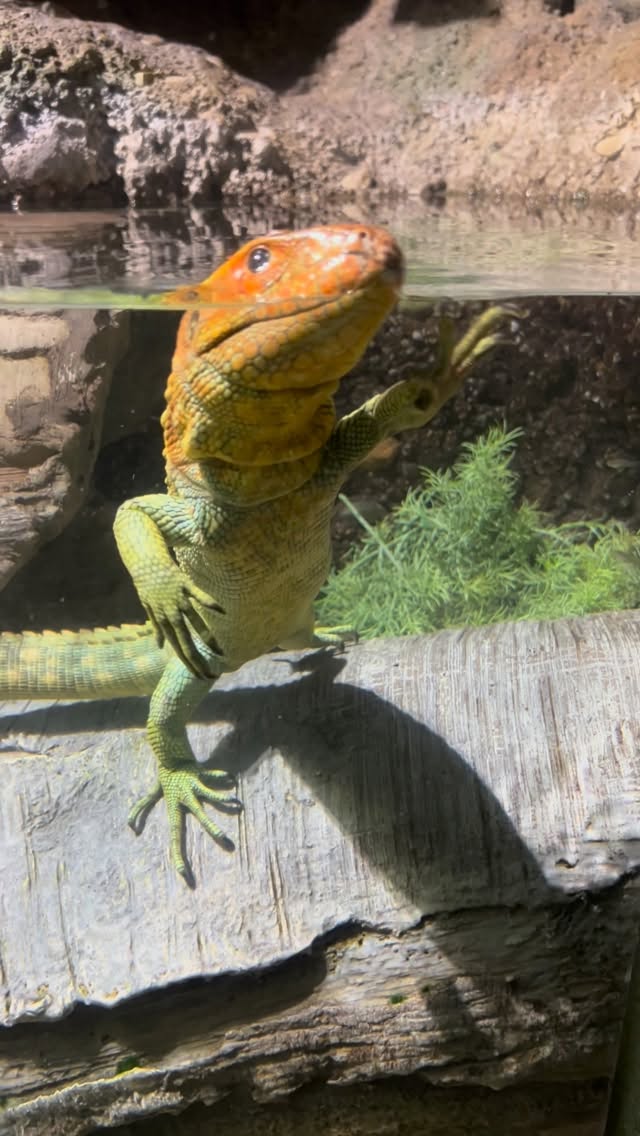
- The unique characteristics and behaviors of Cayman lizards
- Habitat and distribution of Cayman lizards
- Conservation status and threats to Cayman lizards
- The role of zoos in education and conservation
- Insights on caring for Cayman lizards in captivity
Cayman lizards, also called Crocodile or Spectacled Iguanas, are immensely fascinating reptiles. They blend striking physical features and engaging behaviors, making them stand out in the diverse world of lizards. Their large size, impressive coloration, and charismatic mannerisms make them a favorite in many zoos and wildlife centers.
Cayman lizards display several distinctive characteristics. They belong to the family Iguanidae and can grow up to 4 feet in length. Their robust bodies are covered in scales that can vary from green to dark brown, often with intricate patterns. This coloration provides excellent camouflage in their native habitats, which consists of trees, bushes, and the rocky ground of their tropical ecosystems. Moreover, their powerful tails serve multiple purposes: balance during climbing, defense against predators, and even as a tool for communication.
Behaviorally, Cayman lizards are both captivating and clever. They are primarily herbivorous, feeding on leaves, flowers, fruits, and seeds. Their strong jaws are adapted to crush tough plant materials. However, they exhibit opportunistic feeding habits, occasionally consuming insects and other small animals. This dietary flexibility allows them to thrive in varying environmental conditions, making them resilient as a species.
In terms of social behavior, Cayman lizards are generally solitary creatures. They are territorial and will display aggressive behaviors to ward off intruders. Interestingly, during mating season, males engage in elaborate courtship rituals, showcasing their vibrant colors and sizes to attract potential mates. These rituals represent an essential aspect of their life cycle, contributing to genetic diversity within the species.
Understanding the habitat and distribution of Cayman lizards adds depth to their story. Native to the Caribbean, especially the islands of Jamaica, Cuba, and the Cayman Islands, these lizards prefer coastal forests and scrublands. The moist, warm climate of these areas supports an abundant food supply. Unfortunately, habitat loss due to deforestation, urbanization, and agriculture has greatly impacted their populations. As lizard habitats shrink, the pressures from predators and competitors increase, pushing some populations toward the brink of extinction.
The conservation status of Cayman lizards is a growing concern among biologists and environmental scientists. They face numerous threats, including habitat destruction and the introduction of invasive species that compete for resources. Conservation organizations are actively working to implement strategies to protect these reptiles and their ecosystems. This includes habitat restoration initiatives, public education campaigns, and breeding programs in captivity, which aim to bolster wild populations.
Zoos, such as the Wonders of Wildlife, play a pivotal role in the education and conservation of Cayman lizards. These institutions have the capacity to foster awareness of the issues facing this species while providing an opportunity for people to connect with wildlife. Educational programs can teach visitors about these lizards and their ecological significance. By highlighting their habits and habitats, zoos can encourage public interest in conservation efforts.
In captivity, caring for Cayman lizards requires specialized knowledge and facility design. Their enclosures must replicate natural habitats, allowing for vertical climbing structures and ample hiding spots. Temperature control is also critical, as these lizards are ectothermic and thrive in warm environments. Additionally, their diet must mirror their natural feeding habits, including a variety of leafy greens, fruits, and occasional protein sources.
The care of Cayman lizards in a zoo setting also encompasses ensuring mental stimulation. They benefit from environmental enrichment that mimics their natural behaviors, reducing stress and promoting wellbeing. Staff must also be trained to recognize signs of illness and stress, ensuring that any health issues are addressed promptly.
Cayman lizards are a marvelous fusion of cuteness and coolness. Their vibrant appearances and intriguing behaviors engage and educate audiences. Conservation efforts for this species underline the importance of preserving biodiversity. As tougher challenges emerge in wildlife conservation, understanding species like the Cayman lizard becomes increasingly relevant.
Continuing advancements in our understanding of animal behavior and ecology can guide more effective conservation strategies. The role of individuals and communities is crucial; every effort counts in addressing the threats facing these remarkable lizards. Engaging with local and global initiatives can amplify conservation efforts.
A key takeaway from studying Cayman lizards involves examining the interconnectedness of ecosystems. Each species plays a specific role in maintaining ecological balance. By protecting vulnerable species, we can safeguard entire ecosystems, ensuring they continue to thrive.
Ultimately, Cayman lizards symbolize the wonders of wildlife. Their unique beauty and engaging behaviors capture the hearts of many. They serve as a reminder of the crucial relationship between humans and marine and terrestrial ecosystems. Fostering a connection with nature can inspire responsible stewardship, fostering a future where wildlife and human societies coexist harmoniously.
Are you curious about these captivating creatures? Exploring how Cayman lizards fit into larger ecological scenarios can illuminate the complexities of biodiversity. Educating others about their significance can create ripple effects in conservation attitudes.
As future generations advocate for wildlife protections, the narratives of creatures like Cayman lizards can pave the way for actionable insights. With continued collaboration and dedication, the road to wildlife conservation remains viable. Embracing the knowledge gained through studying small but mighty species can strengthen the movement towards a more sustainable coexistence.
*****
Source Description
Hands down my favorite type of lizard that wins in both coolness and cuteness! 😍 an adorable cayman lizard at WOW @wondersofwildlife
