
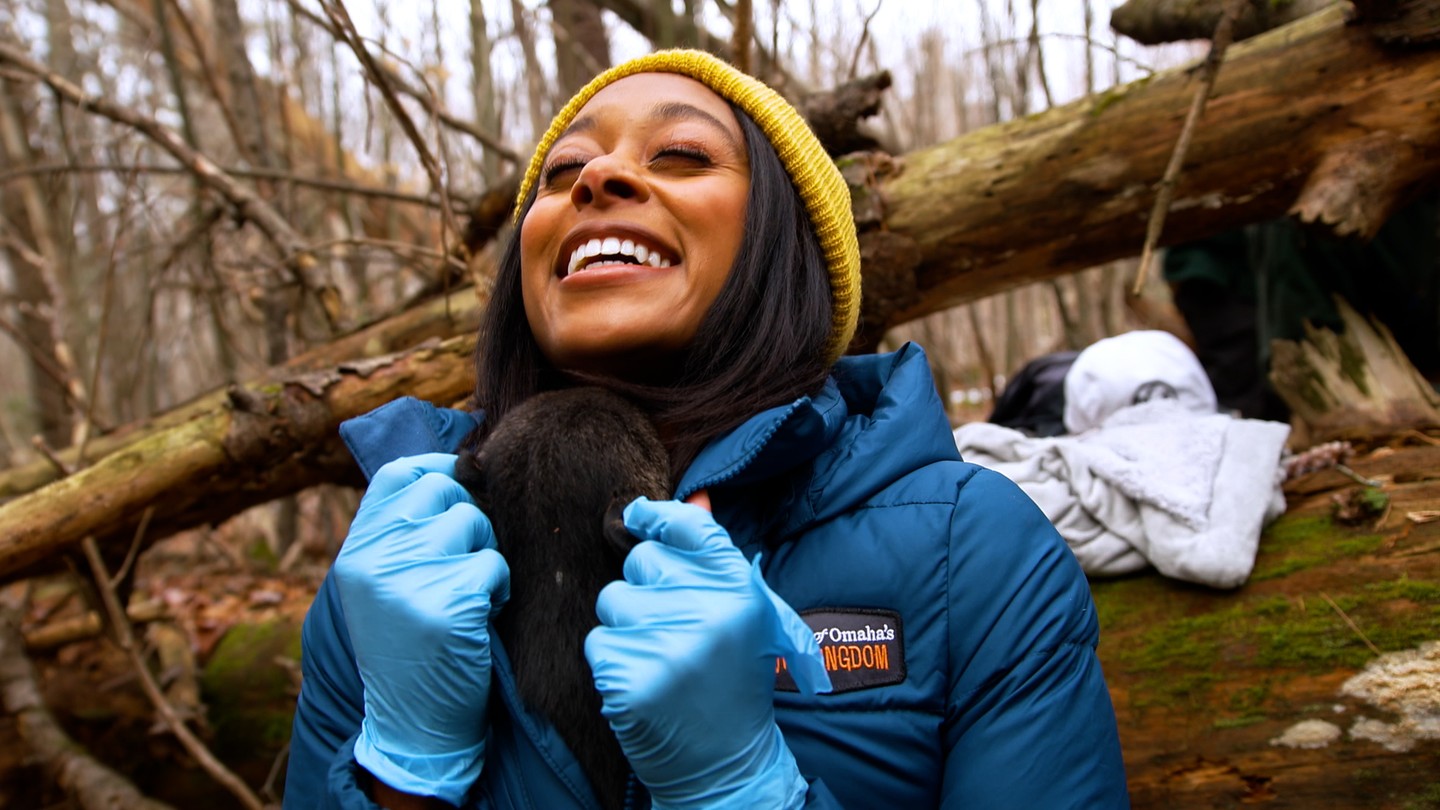
- Dr. Rae Wynn Grant’s journey to co-hosting NBC’s relaunch of “Wild Kingdom”
- The role of educational programming in promoting wildlife conservation
- The significance of representation in wildlife documentaries
- Engaging the public through inspiring narratives
- The collaborative efforts in wildlife preservation and conservation
Dr. Rae Wynn Grant’s journey to co-hosting NBC’s relaunch of “Wild Kingdom” is a compelling story of perseverance and passion for wildlife. With a Ph.D. in animal behavior and extensive experience in research and conservation, Dr. Grant embodies the critical intersection of science and media. Her commitment to wildlife extends beyond her academic credentials. She is passionate about sharing knowledge and inspiring the next generation. The moment she was selected to co-host the revival of this iconic series, a dream she held since childhood came to fruition—a significant milestone that illustrates the dedication she has to her craft.
NBC’s “Wild Kingdom” has been a fundamental element of wildlife television since it first aired in the 1960s. It has inspired countless individuals to appreciate and care for nature. The relaunch of this series aims to resonate with current audiences while addressing today’s pressing environmental issues. Dr. Grant’s enthusiasm for this project reflects not only her personal aspirations but also the broader imperative of engaging the public in conservation efforts.
Educational programming like this serves as a powerful tool in promoting wildlife conservation. The engaging narratives presented through series such as “Wild Kingdom” have the capacity to influence public perceptions of wildlife. Viewers gain insight into ecosystems, species behaviors, and the intricate relationships that define the natural world. Such programming raises awareness about environmental challenges, providing an accessible platform for learning. This exposure can stimulate interest in conservation among viewers, often encouraging them to take action in their own communities.
The significance of representation in wildlife documentaries cannot be overstated. Dr. Grant is one of the few women of color in wildlife television, a fact she acknowledges as both a responsibility and an opportunity. Representation matters in media, as it reflects broader societal narratives and influences young individuals’ aspirations. When diverse voices are present in programs, more viewers can relate to the material being presented. Dr. Grant’s visibility not only serves as a source of motivation but also highlights the importance of inclusion in discussions surrounding environmental discourse.
Engagement through inspiring narratives is vital for capturing the audience’s attention. Dr. Grant articulates her experiences in the field in a way that allows viewers to connect personally with the animals she encounters. By sharing stories of her adventures and challenges, she invites viewers to participate in the dialogue surrounding wildlife conservation. These narratives enhance public interest in animal behavior and preservation efforts. They transform what might otherwise be seen as distant and abstract issues into relatable challenges.
Dr. Grant’s podcast appearances further amplify her mission. She discusses not only her experiences as a co-host of “Wild Kingdom” but also the broader implications of wildlife conservation. By addressing the audience directly, she reinforces the notion that everyone has a role to play in protecting the environment. Her commitment is palpable, and her enthusiasm is infectious. Listeners are left feeling empowered to make their contributions towards conservation.
In addition to media representation, collective efforts in wildlife preservation deserve attention. Dr. Grant emphasizes the importance of collaboration between scientists, conservationists, and local communities. Various organizations across the country focus on methods that include habitat restoration, wildlife rehabilitation, and education. By working together, stakeholders can craft holistic strategies to tackle issues like habitat loss, poaching, and climate change.
Various approaches to conservation can involve local communities as active participants in protecting wildlife. Education programs in schools promote awareness, aiming to instill a sense of responsibility from a young age. Such initiatives bridge the gap between academic research and public understanding, leading individuals to recognize the importance of biodiversity.
The role of technology also assists in conservation efforts. With advancements in tracking and monitoring wildlife populations, researchers can gather valuable data that informs their methodologies. Dr. Grant’s background in animal behavior lends an understanding of how ecological research intertwines with innovative technologies. She highlights various advancements in techniques such as GPS tracking, camera trapping, and drone surveillance to monitor animal movements and behaviors.
By utilizing these tools, conservationists can gather information that drives informed decision-making. Protecting endangered species becomes more feasible with accurate data. This science-driven approach highlights how essential research is for developing strategies that contribute to sustained ecosystems.
Furthermore, the emphasis on public education through digital platforms comes as a significant enhancement to traditional media formats. Social media has ignited new pathways for wildlife education and advocacy, engaging wider audiences in conversations about sustainability. Dr. Grant actively uses these platforms to extend her reach and connect with fans and followers.
Audiences are encouraged to form their own opinions about critical environmental issues discussed in the media they consume. This active dialogue enables individuals not only to learn but also to advocate for change within their communities. As people become informed, they are more likely to participate in conservation initiatives, whether through volunteering, supporting legislation, or simply adopting more sustainable habits in their daily lives.
As she progresses through her role, Dr. Grant continues to evolve as a mentor. Her visibility contributes to transforming how young individuals view animal science and conservation careers. She inspires budding scientists, especially women and people of color, to pursue their passions fearlessly. The conversation surrounding diversity in STEM (Science, Technology, Engineering, and Mathematics) fields is growing, and her representation in wildlife programming is invaluable.
Dr. Grant underscores the idea that no contributions to conservation are too small. Whether it be local clean-up efforts or the promotion of wildlife-friendly practices, every action counts. She emphasizes the notion of community involvement—an integral aspect of building a collective ethos around wildlife preservation.
The podcast featuring Dr. Rae Wynn Grant serves as a powerful medium for deepening understanding and appreciation of wildlife conservation efforts. Her candid discussions highlight essential aspects of her journey and impress upon listeners the urgency of acting responsibly toward nature.
As the third season of “Wild Kingdom” progresses and Dr. Grant continues to explore and advocate for wildlife, her mission remains clear: to inspire. Whether through her television presence or her spoken insights on podcasts, the goal transcends entertainment. It communicates a poignant message about the necessity of conservation and active participation in preserving the planet’s biodiversity.
By showcasing awe-inspiring wildlife and the challenges they face, she offers a blend of education and inspiration. This dual approach equips audiences with the knowledge needed to advocate for their environment passionately. Dr. Grant’s work illustrates that conservation is not just a scientific endeavor; it is a shared responsibility demanding collective action and cooperation.
In engaging the public through enlightening narratives, they not only aim to inform but to transform perceptions of wildlife. The call to action is clear: caring for the natural world starts with education, understanding, and commitment.
Listeners are encouraged to engage with Dr. Grant’s work and to reflect on their role in the broader narrative of wildlife conservation. By following her journey, audiences can explore their paths in contributing to a sustainable future for our planet. Innovative educational programs like “Wild Kingdom” promise to foster deeper connections between individuals and the wildlife that enrich our lives.
*****
Source Description
Three years ago, @raewynngrant saw a lifelong dream realized when she was tapped as co-host for the relaunch of NBC’s legendary nature series, @wildkingdomtv. With the series’ third season in full swing, Dr. Rae guested on our latest podcast to talk about what inspires her, the weight of her newfound role AS an inspiration and the wild experiences she’s had in her new role.
Give it a listen now on your podcast platform of choice or use the handy Apple Podcasts link in our bio! 🎙️
The Podcast Aquatic is made possible by support from @tnconservationist, the official magazine of Tennessee State Parks.
