
- The importance of enrichment for animal welfare in zoos.
- Benefits of using innovative materials like firehose in animal enclosures.
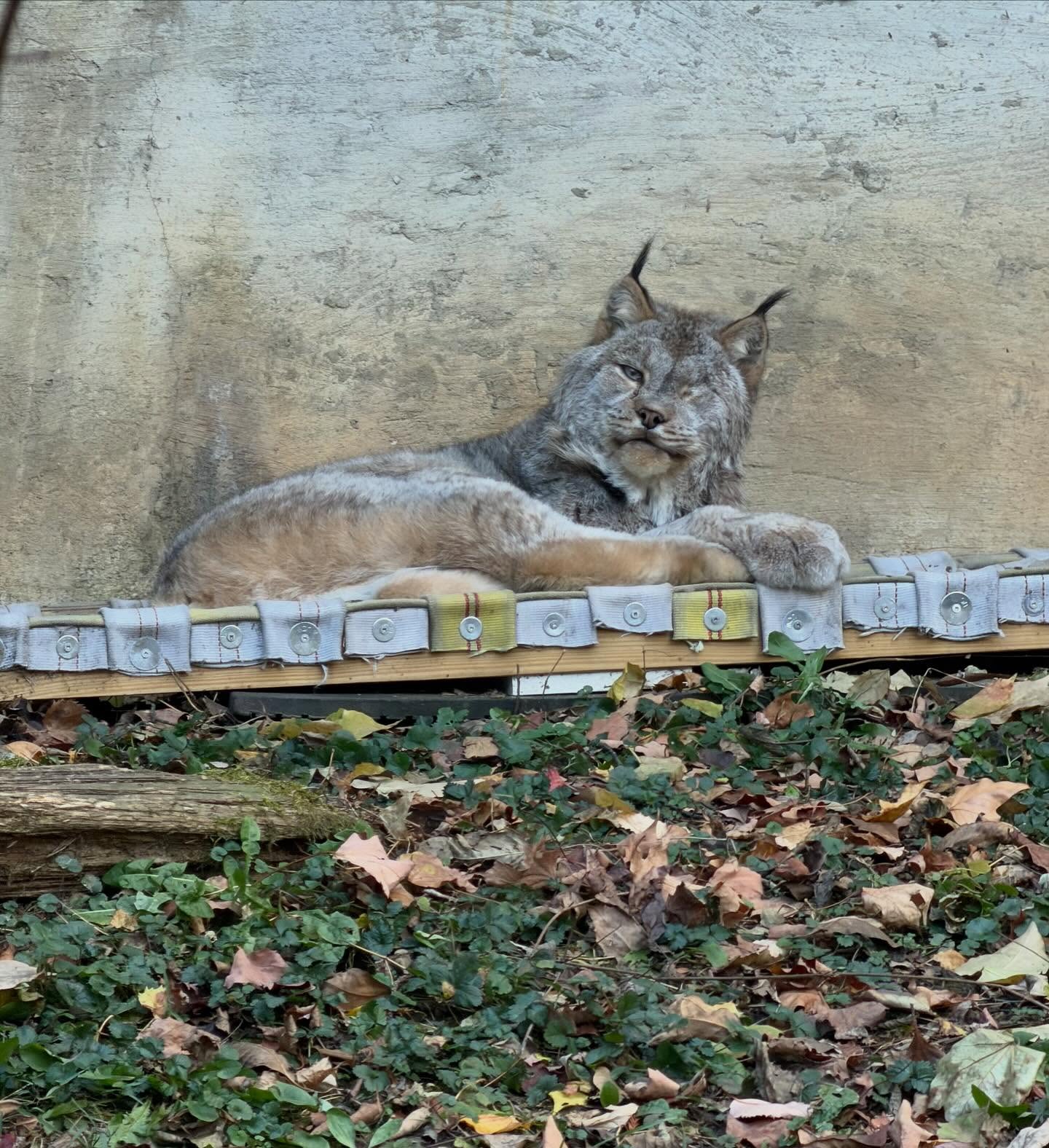
- Woody’s positive reaction to his firehose bed as an example of successful enrichment.
- The role of zoo management in designing effective enrichment programs.
- The significance of wildlife conservation and education in modern zoos.
In the study of zoology and wildlife conservation, the topic of animal welfare in zoos frequently occupies a vital position. Enrichment is a key component in maintaining the physical and psychological health of animals in captivity. It involves creating stimulating environments that encourage natural behaviors. This practice has evolved significantly, emphasizing the use of safe, innovative, and sustainable materials.
The choice of materials plays a crucial role in the success of enrichment programs. Firehose material has become a popular choice, particularly for bedding, due to its durability and safety. Woody’s endorsement of his firehose bed as a 10/10 experience demonstrates the effectiveness of this material. His reaction provides a case study in the benefits of thoughtful enrichment.
Zoo management bears the responsibility of integrating successful enrichment strategies. This requires a comprehensive understanding of animal behavior and the implementation of evidence-based practices. An effective enrichment program not only caters to the immediate needs of the animals but also aligns with broader conservation goals. These programs are crucial for the well-being of animals like Woody, ensuring they lead fulfilling lives.
Wildlife conservation and education are central missions for modern zoos, aiming to inspire visitors and foster a conservation ethic. These efforts also support research initiatives that can lead to improved practices in wildlife preservation. By serving as a bridge between the public and the scientific community, zoos play a pivotal role in promoting biodiversity and understanding animal behavior.
Enrichment for animal welfare is paramount in zoos to ensure that animals lead happy and healthy lives. Unlike their counterparts in the wild, captive animals face unique challenges that can lead to stress or boredom if not properly managed. Enrichment addresses these issues by promoting natural behaviors such as foraging, exploration, and play.
From the use of varied foods and toys to innovative structural designs, enrichment must be adaptable and diverse. This approach reduces stereotypic behaviors and enhances physical activity, leading to healthier and more balanced animals.
Materials used for enrichment need to be safe, durable, and suitable for the species. Firehose material is particularly advantageous as it meets these criteria. Its tough, flexible nature withstands chewing, tugging, and climbing, making it perfect for creating beds, toys, or climbing structures.
Woody’s enthusiastic response to his firehose bed highlights the material’s benefits. His thriving state suggests that this enrichment contributes to his comfort and satisfaction. This speaks volumes about the importance of considering material choices in designing enrichment solutions.
Zoo management is pivotal in executing enrichment programs that cater effectively to the diverse needs of different species. Teams must integrate behavioral studies and scientific research to develop and implement strategies that mirror animals’ natural habitats.
Regular assessment and adaptation are necessary to keep enrichment programs effective and relevant. The success of Woody’s firehose bed demonstrates how zoos can optimize animal care through innovative ideas. It provides a model for other institutions to follow.
Wildlife conservation and education are essential components of modern zoo missions, tasked with protecting animal populations and inspiring public interest in biodiversity. Enrichment contributes to conservation by improving the quality of care, encouraging naturalistic behaviors that prepare animals for possible reintroduction into the wild.
Educational programs in zoos leverage the excitement and interest generated by engaging enrichment activities. This fosters a connection between visitors and animals, promoting awareness and advocacy for conservation efforts.
In the grand tapestry of zoology and wildlife conservation, ensuring optimal care and promoting environmental stewardship are of utmost importance. Routine advancements in enrichment, illustrated by Woody’s positive encounter with his firehose bed, are continual reminders of the progress and innovation within this field.
*****
Source Description
Woody would like to report that his firehose bed enrichment is a 10/10 ⭐️
