
- The significance of unforgettable experiences and memories.
- The impact of nature interactions on human well-being.
- How wildlife conservation plays an integral role in experiencing nature.
- The value of mental health through outdoor activities and wildlife encounters.
- Ways to engage responsibly with wildlife and nature.
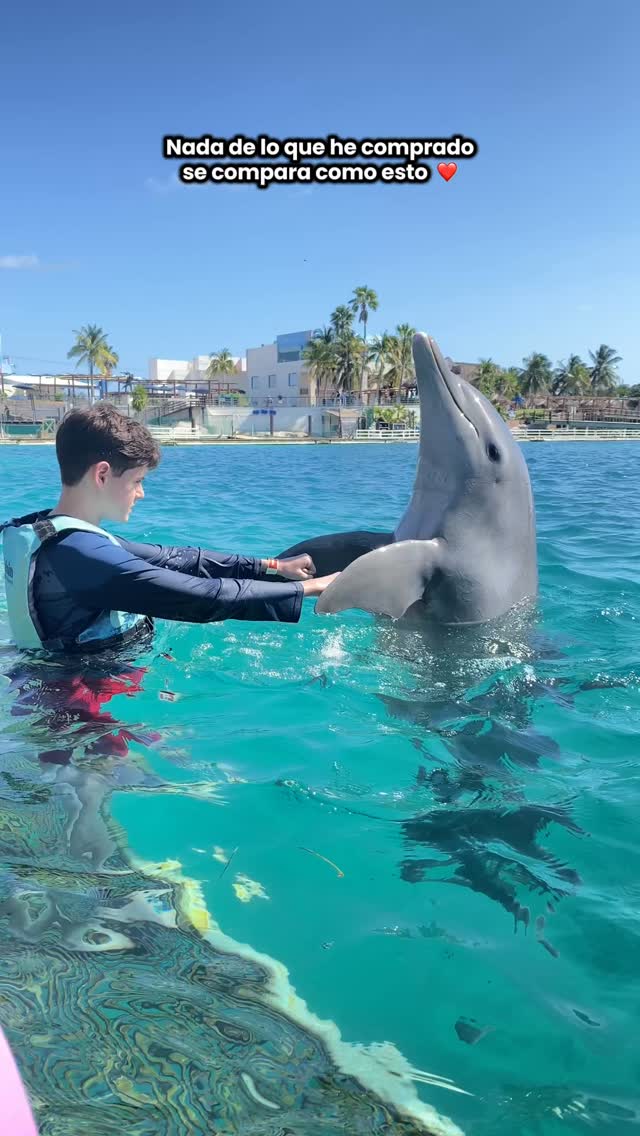
Experiences shape our lives in profound ways. They often leave a lasting impression that material possessions cannot replicate. The phrase “Nada de lo que he comprado se compara con esto” encapsulates this sentiment perfectly. Moments spent in nature, particularly when encountering wildlife, are etched in our memories. They resonate with us long after the experience has ended.
Human connections with wildlife hold transformative power. When we step into nature, engage with animals, and observe their behaviors, we immerse ourselves in a world that transcends the mundane. The feeling of being present in an ecosystem where each creature plays a role is more than a fleeting enjoyment; it’s a profound connection to life itself. This emphasizes the reality that experiences like these aren’t expenses but investments in our well-being.
Scientific research supports the idea that nature interactions are beneficial for mental health. Time spent outdoors reduces stress, anxiety, and depression. The calming influence of water bodies, majestic landscapes, and the rhythm of wildlife creates an environment conducive to healing. Engagement with animals offers an avenue for emotional connection and understanding. These moments, whether spent watching dolphins play in the waves or observing a gentle deer grazing, create cherished memories that enrich our lives.
Wildlife conservation and interactions with nature go hand in hand. Supporting conservation efforts helps ensure that future generations can enjoy similar experiences. Efforts to protect endangered species and their habitats foster an appreciation for biodiversity that can change lives. This respect for nature is crucial, as it not only allows for human enjoyment but also ensures the sustainability of ecosystems.
The interactions we have with wildlife foster a sense of responsibility. Understanding the challenges that wildlife face in an increasingly urbanized world makes us more conscious of our impact on their habitats. By engaging in eco-friendly practices and advocating for protection measures, we contribute to the preservation of these incredible encounters. This also encourages a cycle of awareness, sparking a deeper connection to the earth and its inhabitants.
Mental health benefits from these experiences cannot be overstated. Spending time outside, surrounded by animals, increases serotonin levels, improving mood and outlook. Nature provides a sanctuary for reflection and mindfulness. Engaging with wildlife can also cultivate empathy and compassion, traits that enhance overall well-being. For instance, participating in guided eco-tours can foster a sense of connection to both nature and community.
While experiencing nature, it is essential to interact respectfully with wildlife. Maintaining a safe distance, observing from afar, and never feeding wild animals are critical practices to protect both animals and humans. Education plays a vital role here; knowing how to act in natural environments promotes coexistence rather than conflict.
Additionally, responsible tourism creates opportunities to support conservation efforts. When choosing eco-tours or experiences involving wildlife, selecting companies that prioritize ethical practices is paramount. These organizations often reinvest profits into conservation initiatives, furthering the goal of sustainability.
Coastal environments, home to diverse aquatic life, often offer incredible opportunities for memorable experiences. For instance, dolphin watching tours allow participants to see these remarkable creatures in their natural habitat. These interactions encourage appreciation for marine ecosystems while promoting awareness of the threats they face, such as pollution and climate change.
Marine wildlife faces numerous challenges, from habitat destruction to climate-related changes. According to the World Wildlife Fund, it is crucial for individuals to understand their role in these dynamics. Opportunities to learn about local conservation efforts can turn exciting encounters into steps towards meaningful action. Activities like beach clean-ups and volunteering for marine research projects not only contribute to conservation but also foster a greater understanding of aquatic life.
Another valuable experience can be found in zoos and wildlife sanctuaries. These facilities often engage in critical research and conservation programs. Visiting these places offers glimpses into the lives of animals that may not be readily seen in the wild, which can deepen understanding and respect for wildlife. Additionally, many institutions emphasize education, raising awareness about endangered species, and efforts to protect their natural habitats.
Adventure activities such as hiking, kayaking, or birdwatching provide further opportunities for connection with nature. Each of these experiences contributes to a rich tapestry of memory, creating lasting impressions long after the activity ends. These interactions with wildlife and nature are invaluable, reinforcing the idea that they are not mere expenses but meaningful investments in the human experience.
Education about wildlife and ecosystems is vital for fostering responsible interactions. By understanding the behaviors and needs of various species, individuals can engage in ways that promote conservation and respect. For example, learning about migratory patterns can heighten the appreciation for seasonal wildlife activities, enhancing the richness of outdoor experiences.
Moreover, technology plays a crucial role in wildlife conservation efforts. Social media platforms raise awareness about endangered species, promoting conservation initiatives and encouraging funding for research projects. Virtual experiences and documentaries bring wildlife directly into homes, creating energetic advocates for various species.
Understanding the importance of biodiversity also cannot be understated. Healthy ecosystems rely on diverse species, each contributing to a balanced environment. Protecting these ecosystems ensures not only the survival of wildlife but also of human beings. The interdependence between these elements highlights the value of experiences that bring awareness to these connections.
Encouraging a deeper relationship with nature through community engagement can amplify the impact of wildlife interactions. Community conservation projects unite individuals with common goals, promoting biodiversity and habitat restoration. These initiatives foster a sense of belonging and collective responsibility, resulting in enriched shared experiences that highlight the beauty of nature.
Connecting with nature enhances emotional intelligence. The simple act of observing animals can teach patience, respect, and empathy. These interactions provide invaluable life lessons that cannot be taught in a classroom. Experiencing nature in its various forms while observing wildlife can spark curiosity and an intrinsic desire to learn more.
The dialogue surrounding wildlife conservation can be significantly influenced by individuals sharing their experiences. Social platforms enable people to narrate their encounters, inspiring others to appreciate the beauty of wildlife. This storytelling fosters a global community united in conservation efforts, spreading awareness and advocacy.
Experiencing wildlife in natural settings contributes to a growing understanding of environmental stewardship. When individuals appreciate the interconnectedness of nature, they become more motivated to protect it. They realize the profound impact of their actions, fostering a culture of sustainability.
In milestone moments, such as the birth of wildlife babies or the first flight of young birds, the joy is immense. These events are watched closely by conservationists and the public alike. They symbolize hope and the ongoing efforts to preserve species for future generations.
Wildlife encounters grant insights into survival and adaptation. Observing how animals navigate challenges in their environment cultivates admiration for their resilience. This understanding encourages individuals to appreciate the complexities of ecosystems, realizing that each species plays a vital role.
In urban settings, integrating wildlife experiences into community spaces can enhance quality of life. Local parks featuring native species and educational signage create opportunities for residence interaction with wildlife. These initiatives forge bonds between people and their environment, benefiting community cohesion.
Ultimately, the true essence of experiences in nature lies in their ability to connect, transform, and heal. They become memories that shape perceptions and foster a commitment to conservation. Given that “Nada de lo que he comprado se compara con esto,” these encounters exemplify the invaluable essence of nature. They represent a holistic experience that enriches lives and underscores the importance of preserving the wonders of the natural world. Each moment spent with wildlife serves as a reminder of our shared responsibility to protect the ecosystems that sustain us.
*****
Source Description
💙🐬 Nada de lo que he comprado se compara con esto.
Porque hay experiencias que no se guardan en una bolsa,
se quedan en la memoria y se sienten para siempre 🌊✨
Vivir un encuentro así no es un gasto,
es un recuerdo que vale cada segundo 💫
💙🐬 Nothing I’ve ever bought compares to this.
Because some experiences aren’t meant to be kept in a bag,
they stay in your memory and are felt forever 🌊✨
Living an encounter like this isn’t an expense,
it’s a memory worth every second 💫
