
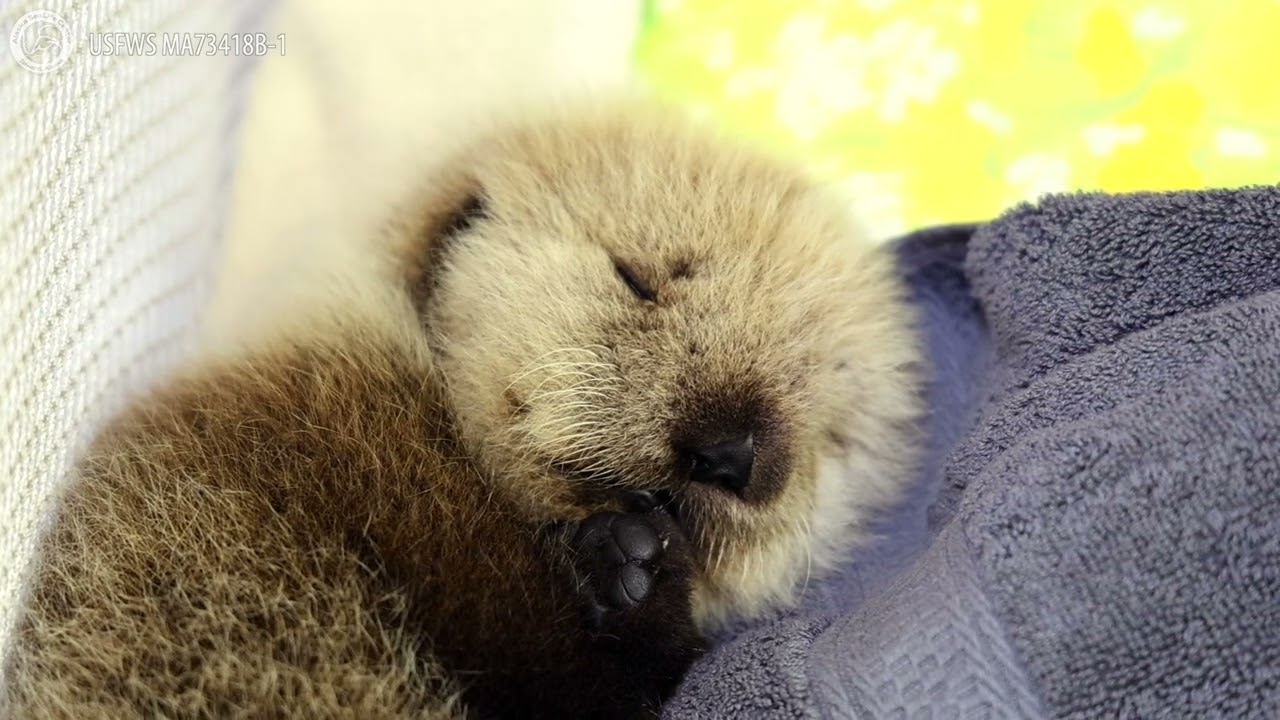
- Understanding the conditions leading to the arrival of the orphaned otter pup at ASLC
- The importance of proper care and rehabilitation for orphaned wildlife
- Insights into the daily routine, including nap time, of the otter pup at ASLC
- Challenges faced in wildlife conservation and rehabilitation
- The significance of public engagement and education in wildlife conservation efforts
The Arctic Sea Life Center (ASLC) has recently welcomed a new orphaned otter pup patient, captivating the hearts of many wildlife enthusiasts and conservationists. This article will dive into the circumstances that led to the pup’s arrival, the critical care it receives, and the broader implications for wildlife rehabilitation.
The circumstances surrounding the orphaned otter pup’s arrival at ASLC often reflect a growing concern for the well-being of wildlife in their natural habitats. Many factors can contribute to a young otter being left without its mother. These include habitat destruction, pollution, or human interference. In some cases, orphaned animals may have lost their mothers due to natural causes, such as predation or illness. The stressful conditions in which wildlife find themselves often lead to abandonment or separation from maternal care. Recognizing the distress signals in these situations is crucial for immediate intervention, which often necessitates a transfer to specialized care facilities like ASLC.
Once the otter pup arrives at ASLC, the care it receives is precisely tailored to meet its developmental needs. Care teams consisting of veterinarians and wildlife rehabilitation specialists ensure that the pup is provided with a safe and nurturing environment. The initial focus is on stabilization. This often includes monitoring the pup’s hydration and nutritional intake, as infant otters typically rely on their mothers for nourishment. In the case of our featured otter pup, a nursery setting allows for round-the-clock care. As otters are social creatures, staff also work diligently to mitigate stress, fostering a sense of security.
The daily routine of the otter pup at ASLC involves a carefully structured schedule. Nap Time, specifically, has been a focal point of this routine, equipping the pup with ample rest to promote healthy growth. Young otters can sleep extensively, often up to 18 hours a day, as this rest is essential for their physical development and energy management. During nap time, the staff create an optimal environment by providing a quiet, comfortable space, often with resting aids like soft bedding.
During the pup’s awake hours, it engages in play and tactile exposure to water, which promotes natural behaviors necessary for survival. This interaction not only stimulates its physical capabilities but also enables emotional development. This playful nature is inherent in otters. It is during these interactions that staff can gauge the pup’s health and behavioral responses.
Despite the diligent efforts of rehabilitation teams, challenges persist in wildlife conservation and rehabilitation. Urbanization, climate change, and pollution remain significant threats to natural habitats. These factors can lead to declining populations and increased incidents of orphaned wildlife. This visibility underlines the critical need for ongoing wildlife conservation initiatives at both local and global levels. ASLC plays a pivotal role in educating the public about these challenges, providing invaluable resources and information about how individual actions can positively impact wildlife.
Public engagement serves as a vital component of wildlife rehabilitation. The outreach efforts at ASLC aim to foster a sense of connection between visitors and conservation efforts. Educational programs highlight the importance of wildlife in ecosystems, advocating for habitat conservation and appropriate human behavior in natural settings. By offering visitors opportunities to learn about the newly orphaned otter pup, ASLC also cultivates emotional investment in broader conservation missions.
Interactive exhibits and informative tours allow visitors to understand the challenges encountered by wildlife and the importance of each species in maintaining ecological balance. Through the lens of the orphaned otter pup, the narrative stretches beyond immediate rescue operations, connecting to larger conservation dialogues around sustainable living. Each visitor leaves with not only a deeper understanding of the aquatic ecosystems but also with action items aimed at improving their environmental footprint.
The storytelling surrounding the otter pup’s journey goes beyond mere anecdote; it enhances awareness regarding the plight of orphaned wildlife. Each animal rescued represents a broader narrative on the importance of working to preserve wildlife habitats. Raising awareness can lead to tangible changes, such as policies supporting conservation efforts or community projects aimed at reducing litter in aquatic environments. The link between wildlife survival and human intervention should not be underestimated; proactive measures can lead to lasting positive outcomes.
The responsibility of taking care of orphaned wildlife comes with a significant commitment. As the care team at ASLC demonstrates, the process is not only about providing shelter and food; it encompasses a holistic approach to rehabilitation. The otter pup’s experience underscores the ongoing need for research and knowledge sharing when it comes to best practices in wildlife care. Continual professional development of wildlife care specialists ensures the methods employed are based on the latest scientific understanding.
Through each stage of the otter pup’s recovery and rehabilitation, from its arrival at ASLC to eventual reintegration into the wild, lessons in wildlife conservation emerge. These include the value of monitoring wildlife populations, habitat preservation, and addressing human-wildlife conflicts.
The case of the orphaned otter pup is a microcosm of the intricate balance necessary within ecosystems. It serves as a reminder of our role in stewardship for wildlife, reinforcing that intentional efforts in conservation can lead to meaningful change. Each step taken in the rehabilitation of this otter pup not only highlights its immediate needs but also translates to the broader goal of educating society about wildlife challenges and opportunities.
In scaling up conservation efforts, collaboration among various stakeholders—including government agencies, non-profits, and community organizations—becomes essential. The challenges presented by orphaned wildlife, while significant, can be mitigated through collaborative frameworks that advocate for preventative measures alongside rehabilitation efforts.
The narrative of the orphaned otter pup at ASLC merges engaging storytelling with essential conservation themes. This blend creates a captivating pathway for public engagement, urging individuals to ponder their roles in sustaining wildlife. Through increased awareness and education, we are empowered to take steps that encourage healthier ecosystems, ensuring that future generations can engage with diverse wildlife.
The otter pup represents much more than a solitary rescue; it embodies the principles of conservation, the need for comprehensive wildlife management, and the responsibility of humanity in ensuring the survival of species. As ASLC continues to care for this precious creature, its journey will be closely monitored—not only for its health but also as a testament to the importance of continuous learning and public involvement in wildlife conservation missions.
*****
Source Description
Our “Homer boy” otter patient is resting, recovering, and reminding us to slow down this Mindful Monday.
He is safe and warm, catching up on the rest his body needs.
In wildlife rehabilitation (and in our lives), healing doesn’t happen in a rush.
It happens in the quiet. In stillness. In sleep.
Take a moment with Homer.
Let this soft breath, this slow nap, remind you:
Rest is progress.
If you’ve made it this far, here’s your fun otter fact for the day: Do you see the breeze on the pup’s fur? That is from a fan, which we use to help ensure that his coat gets thoroughly dry and captures extra air to help keep him warm—something that Mom would achieve by blowing into his coat.
