
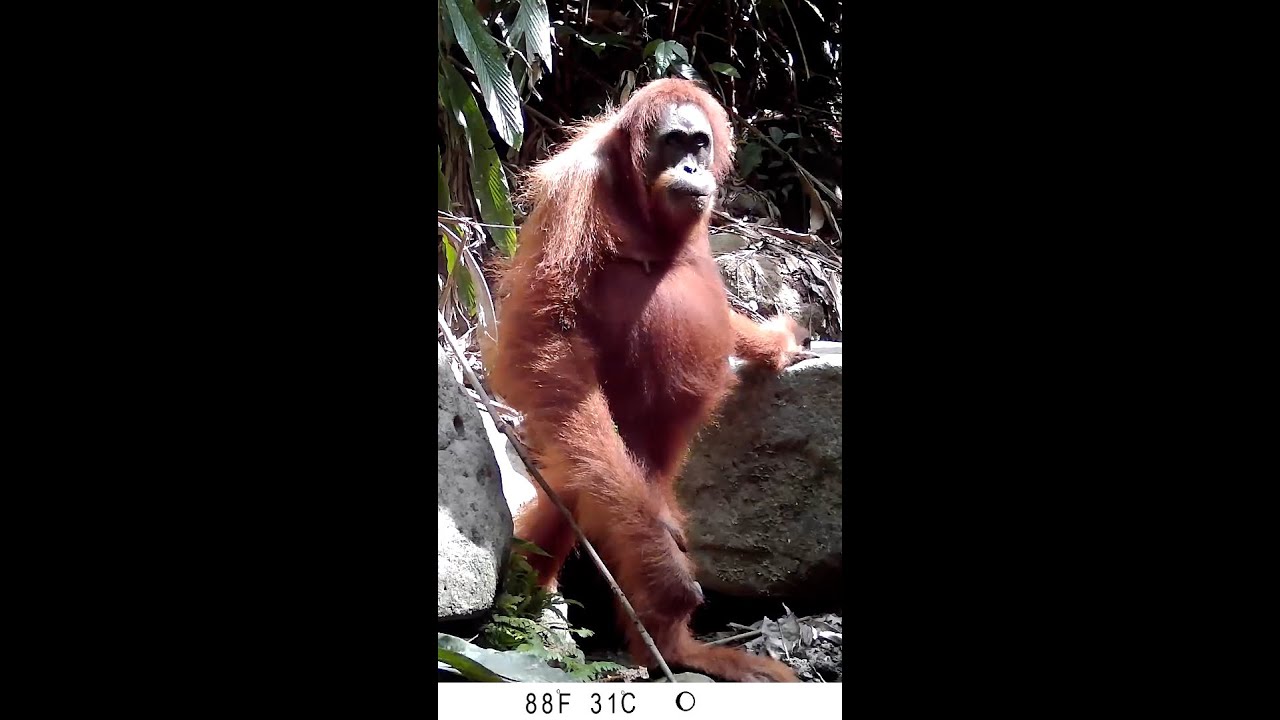
- The ecological significance of Leuser, Indonesia, and the unique biodiversity captured by camera traps.
- The role of camera traps in wildlife observation, research, and conservation strategies.
- Challenges faced in preserving the Leuser Ecosystem and the importance of community involvement.
- The impact of deforestation and human activity on wildlife habitats and potential solutions.
- Future prospects for wildlife conservation in Leuser, integrating technology and scientific research.
Leuser, Indonesia is one of Earth’s most biologically diverse regions, a crucial sanctuary for a myriad of species. The Leuser Ecosystem spans over 6.5 million acres of rainforests, mountains, and rivers, a natural haven teeming with life. The latest endeavor, Let’s Take a Nature Break | Camera Trap Videos from Leuser, Indonesia, provides an insightful glimpse into this vibrant world through the lens of technology.
Camera traps have revolutionized wildlife observation. These unobtrusive devices capture images and videos, offering researchers invaluable insights into animal behavior and population dynamics. In Leuser, they record rare glimpses of elusive Sumatran tigers, orangutans, elephants, and rhinoceroses. This biodiversity is not only culturally significant but also ecologically vital, capturing the delicate interplay among species within this ecosystem.
The role of camera traps extends beyond mere observation. These tools have become integral to developing effective conservation strategies. By analyzing camera trap data, researchers can assess the health of species populations and identify critical habitats necessary for their survival. Such information is vital in forming conservation policies and ensuring the implementation of protective measures.
However, the preservation of the Leuser Ecosystem poses numerous challenges. Deforestation and human expansion threaten these habitats. Indonesia’s rapid industrialization leads to encroachment on protected areas, often resulting in fragmented landscapes. Habitat loss is a severe threat to biodiversity, causing population declines and increased human-wildlife conflict.
Community involvement is crucial for conservation success. Engaging local populations in conservation efforts fosters awareness and creates sustainable livelihoods that align with environmental goals. Education and participatory management empower communities to protect their natural surroundings.
The impact of deforestation resonates throughout the ecosystem. Forest clearing for agriculture or palm oil plantations disrupts animal corridors and reduces biodiversity. These activities also lead to soil erosion and water cycle disturbances, affecting human communities. Implementing stricter land-use policies and promoting sustainable practices are essential steps towards preserving these habitats.
There are promising avenues for mitigating the effects of human activity on wildlife. Technological advancements, like the use of drones and satellite imagery, complement camera trap data. These innovations allow for more comprehensive monitoring and rapid response to environmental changes. Conservationists can identify illegal activities and assess habitat changes efficiently.
Scientific research plays a pivotal role in this context. Continuous studies on species adaptation, migration patterns, and genetic diversity guide conservation efforts. Understanding ecosystem dynamics facilitates informed decision-making, ensuring interventions benefit both wildlife and human populations.
The future of wildlife conservation in Leuser shines brighter with these technological and scientific advancements. Collaborative efforts between governments, NGOs, and local communities are crucial. Establishing a unified vision ensures resources are utilized effectively, maximizing conservation outcomes.
To build on this momentum, public awareness must be enhanced. Global attention on the Leuser Ecosystem can advocate for stronger international support and funding for conservation initiatives. Programs and partnerships can accelerate the restoration and preservation of this essential biodiversity hotspot.
Let’s Take a Nature Break | Camera Trap Videos from Leuser, Indonesia provides a valuable window into this ecological treasure. By understanding the complex interactions within the Leuser ecosystem, we underscore the importance of conservation. Empowering communities, employing cutting-edge technology, and fostering scientific exploration are pivotal in safeguarding this irreplaceable landscape for future generations.
*****
Source Description
Earlier this year, Dr. Jimmy Johnson and Brian Aucone traveled to Leuser, Indonesia, to visit our partners at @ForumKonservasiLeuser. Together, we’re working to protect one of the last remaining intact rainforests on Earth, a sanctuary for Sumatran orangutans, tigers, elephants, rhinos, and countless other species. 🌿🦧🐅
Our partners recently completed the construction of a new research station, a vital base for studying and safeguarding this incredibly biodiverse ecosystem. They also shared new camera trap footage from a nearby salt deposit, and we’re excited to show you a glimpse of life inside the Leuser rainforest. ✨
In honor of World Rainforest Week, this footage is a powerful reminder of why global conservation partnerships matter. By working together, we can protect irreplaceable habitats and help save wildlife for generations to come. 🌍
#WorldRainforestWeek #Conservation #SavingWildlifeTogether #LeuserEcosystem #SumatranOrangutan #DenverZooConservationAlliance #Rainforest #Indonesia
