
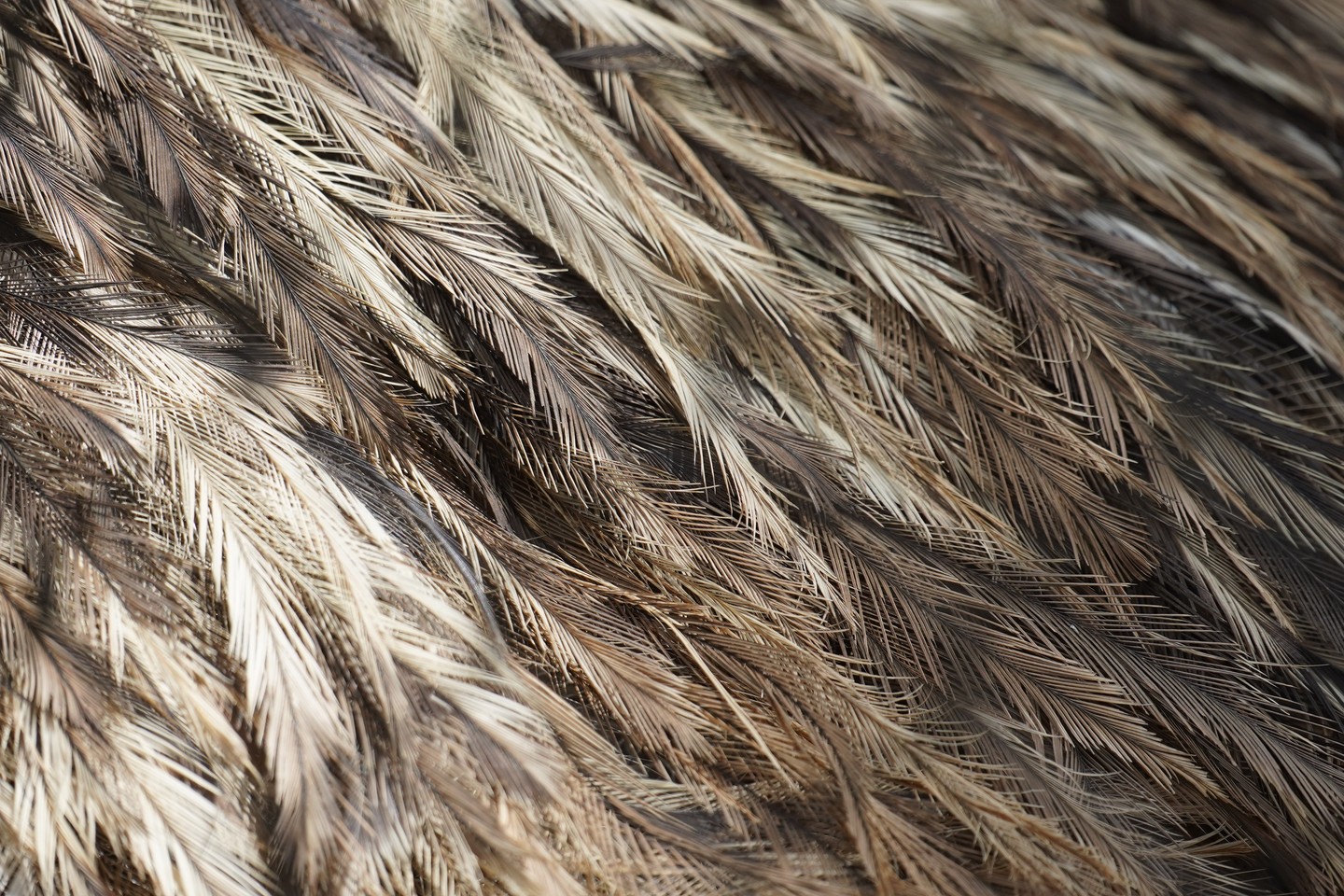
- Understanding Emu Feathers and their Structure
- The Role of Emus in Their Ecosystem
- Uses of Emu Feathers in Human Activities
- Emu Conservation Status and Challenges
- Importance of Wildlife Conservation
Emu feathers present an interesting study in avian biology. They are not just visually appealing but have unique characteristics that set them apart from other bird feathers. Unlike typical feathers that possess one shaft, emu feathers have two shafts branching from a single quill. This morphological feature contributes to their fluffy and soft appearance, making them an intriguing subject of study in zoology. The structure of these feathers allows for various adaptations that benefit the emu in its natural habitat.
Emus play a significant role in their ecosystem. As large flightless birds native to Australia, they serve several ecological functions. Primarily, emus act as seed dispersers. Their diet consists of fruits and seeds, which they consume and later excrete, facilitating the growth of new plants across vast distances. This natural process is crucial for maintaining biodiversity in their environment. Furthermore, emus have a considerable impact on the grasslands and open woodlands they inhabit. By grazing on grasses, they help regulate plant growth, allowing for a balance that benefits many other species that share their habitat.
In human activities, emu feathers have garnered attention due to various applications. They are often utilized in fly tying, a method in fishing that employs feathers to craft lures designed to attract different fish species. The soft and airy nature of emu feathers makes them ideal for creating realistic and effective fly patterns. Additionally, their aesthetic appeal has led to their incorporation in fashion and accessory markets. Handmade crafts and artistic projects often include these feathers, leading to a resurgence of interest in sustainable practices surrounding emu farming.
Despite their ecological importance, emus face multiple challenges that threaten their populations. Habitat destruction due to urbanization and agriculture is a primary factor leading to a decrease in emu numbers. Additionally, climate change poses new risks, as shifting weather patterns alter food availability and nesting sites. Conservation efforts are increasingly important to mitigate these threats. Various organizations are focused on protecting emu habitats and educating the public about the importance of preserving these unique birds and their ecosystems.
Wildlife conservation plays a critical role in safeguarding species like the emu. Effective conservation strategies involve habitat protection, public awareness campaigns, and fostering sustainable practices within local communities. Educating society about the ecological value of emus can stimulate collective action toward their preservation. Engaging with local stakeholders is paramount, as their participation often leads to more successful long-term conservation strategies. Supporting policies that prioritize environmental stewardship ensures that both emus and their habitats remain viable for future generations.
In summary, emu feathers and their associated characteristics are a fascinating entry point into the broader world of avian biology and ecology. These birds not only contribute to their ecosystems but also provide benefits to human activities. Understanding the challenges emus face and the importance of their conservation is crucial for promoting biodiversity and environmental health. Protecting these remarkable birds ensures that future generations can appreciate their beauty and significance within the natural world.
*****
Source Description
New desktop background, anyone? 💻️
We could ask you to identify this animal for the second day in a row, but we’re just too excited to share a fun fact! These are emu feathers, which have quite the unique structure. Emus get their almost fluffy appearance from having two feathers for the price of one, that is, two feather shafts grow from a single quill! 🪶
Emu feathers are often used in fly tying in fly fishing, but to us, Arty’s feathers are perfect for keeping her comfortable!
