
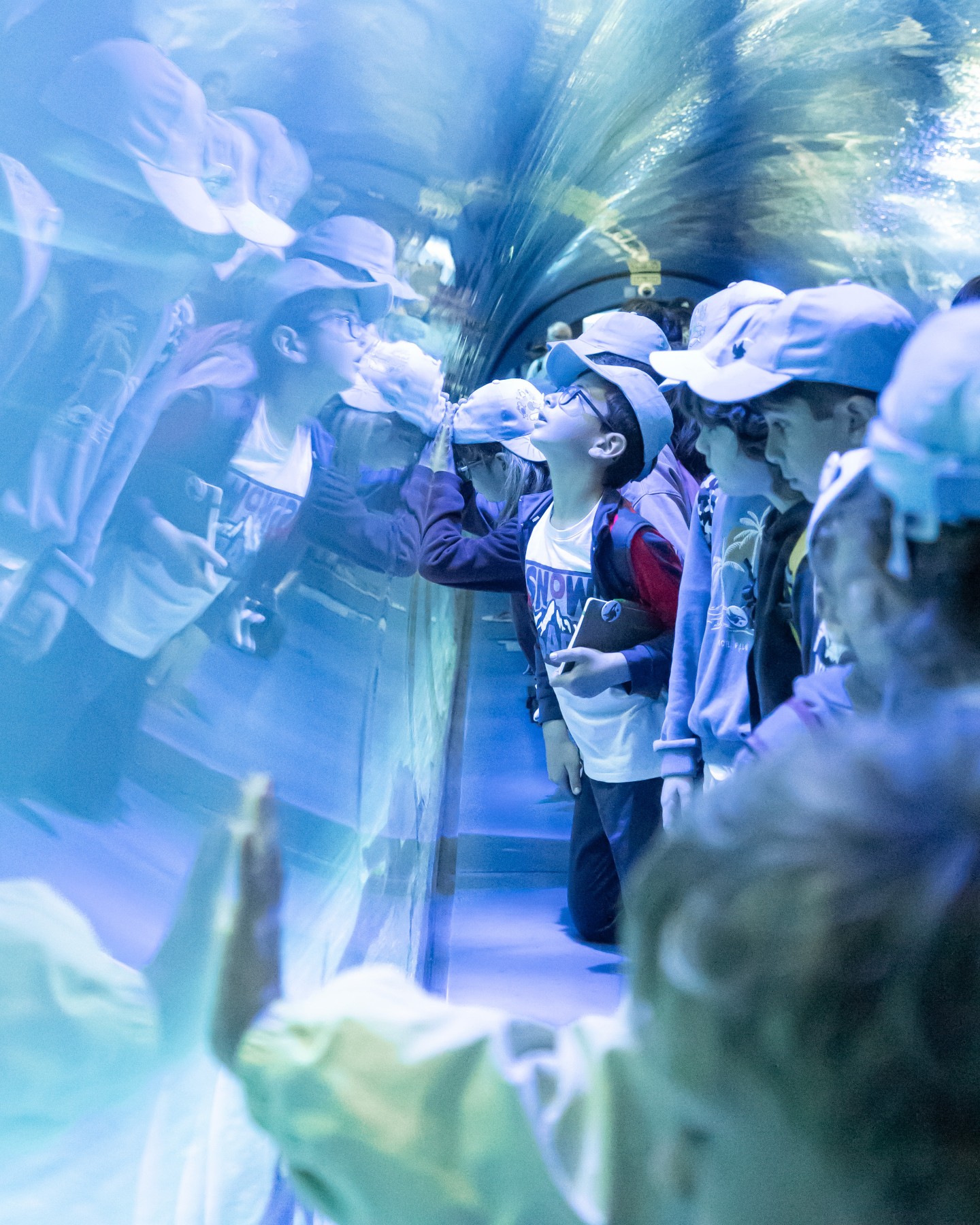
- Exploration of the Arctic and Antarctic ecosystems
- Feeding practices for sharks and rays at Ocean Nursery
- Environmental phenomena associated with polar regions
- Importance of turtle rehabilitation and release
- Conservation challenges and efforts in polar regions
The Arctic and Antarctic regions are not only stunningly beautiful but also essential to global biodiversity. These polar ecosystems contain a wealth of unique species and critical habitats that contribute significantly to the overall health of our planet. The Arctic, located at the northernmost point of the Earth, is characterized by its icy landscapes and cold ocean waters, while the Antarctic, situated at the southernmost point, is home to vast ice sheets and an abundance of marine life.
During our adventure, we witnessed how brave explorers embark on expeditions in these breathtaking environments. They undertake scientific research to understand the impact of climate change on these fragile habitats. The harsh conditions in these regions also promote adaptations that are fascinating to study. For instance, polar bears have developed a thick layer of blubber and fur that insulates them against frigid temperatures, while seals have specialized adaptations, such as a streamlined body shape, which aids in swimming in icy waters.
Feeding sharks and rays at the Ocean Nursery provided a firsthand experience of marine animal care. Staff at these facilities educate the public about the dietary needs and natural behaviors of these species. Sharks primarily feed on fish, and their role as apex predators helps maintain the balance within marine ecosystems. Rays, similar to sharks, play an integral role in nutrient cycling. At the nursery, specialized diets are formulated to mimic their natural feeding habits while ensuring they receive necessary nutrients. Observers at the nursery were able to learn how staff members monitor feeding behaviors to gauge health and environmental adaptations.
At the OceanLab, discussions about environmental phenomena related to polar ecosystems revealed a wealth of information. Topics included the effects of melting ice sheets on global sea levels, the shifts in animal migration patterns, and the role of phytoplankton in carbon cycling. Phytoplankton form the basis of the marine food web and are critical in sequestering carbon dioxide, helping to mitigate climate change.
Climate change poses significant challenges to polar ecosystems. Rising temperatures and melting ice not only affect the animals that inhabit these areas but also the global climate system. The Arctic is warming at a rate much faster than the global average, and this rapid change threatens the food security of species, including polar bears, seals, and various bird species. Observers were able to engage in discussions about climate impact assessments, focusing on the necessity of collaboration between scientists, governments, and local communities to create effective conservation strategies.
Our adventure culminates with the heartwarming experience of turtle rehabilitation and release. Turtles are vital to marine ecosystems; their presence helps maintain the health of seagrass beds and coral reefs. The rehabilitation process for injured or stranded turtles often involves not just medical care but also an understanding of their needs for a successful recovery. Factors such as stress from confinement, diet, and water quality are all closely monitored to aid their rehabilitation.
The release of turtles back into the wild is a ceremony of hope. It represents a second chance for these creatures and serves as a reminder of the importance of ongoing conservation efforts. Volunteers and participants play a key role, emphasizing community involvement in wildlife preservation.
Conservation challenges in polar regions are numerous and daunting. Issues such as habitat loss due to climate change, pollution, overfishing, and invasive species threaten the delicate balance of these ecosystems. Public awareness and education are critical to addressing these challenges. When individuals understand the interconnectedness of wildlife and their habitats, they become advocates for change.
We must also consider responsible tourism in these areas. Responsible practices help mitigate human impact on fragile ecosystems. Tourists and explorers should adhere to guidelines that protect the natural environment. Understanding how our actions affect wildlife is essential for establishing sustainable practices.
As our adventure concludes, the excitement of participating in wildlife conservation initiatives continues to resonate. It is clear that the work of dedicated scientists, caregivers, and community members is essential for the protection of our planet’s ecosystems. From polar bears in the Arctic to sea turtles on the brink of rehabilitation, every aspect of wildlife conservation is crucial for the health of our planet.
Through experiences such as feeding sharks and rays, learning about environmental phenomena, and participating in turtle releases, we foster a deeper understanding of our responsibilities in wildlife stewardship. Engaging with these fascinating ecosystems nurtures our commitment to advocate for and protect them.
Tomorrow, as we prepare for the turtle release, it is crucial to remember that our responsibilities extend beyond this adventure. The knowledge and awareness gained here should inspire continued efforts in conservation. Each of us carries the potential to impact the natural world positively. Whether through advocacy, responsible travel practices, or simply sharing information, we can collectively contribute to wildlife conservation, ensuring a healthier planet for generations to come.
*****
Source Description
🌊 Seguimos con nuestra aventura en la
Hoy hemos acompañado a los valientes exploradores en su recorrido por el Ártico y la Antártida. Y no solo eso: también han podido descubrir cómo es dar de comer a tiburones y rayas en la Guardería de Océanos.
🧪 Además, nuestros compañeros de OceanLab les han explicado un montón de fenómenos ambientales relacionados con los polos y las especies que los habitan.
🐢 Mañana es el último día y, aunque nos da un poco de pena, estamos emocionadxs de poder acompañarles en su primera suelta de tortuga.
✨ ¡Nos vemos mañana, valientes!
