
- Understanding Grizzly Habitats and Behaviors
- The Significance of Wildlife Conservation
- Grizzlies in Zoos: Ethics and Management
- Anthropomorphism in Animal Representations
- Engaging the Public in Wildlife Education
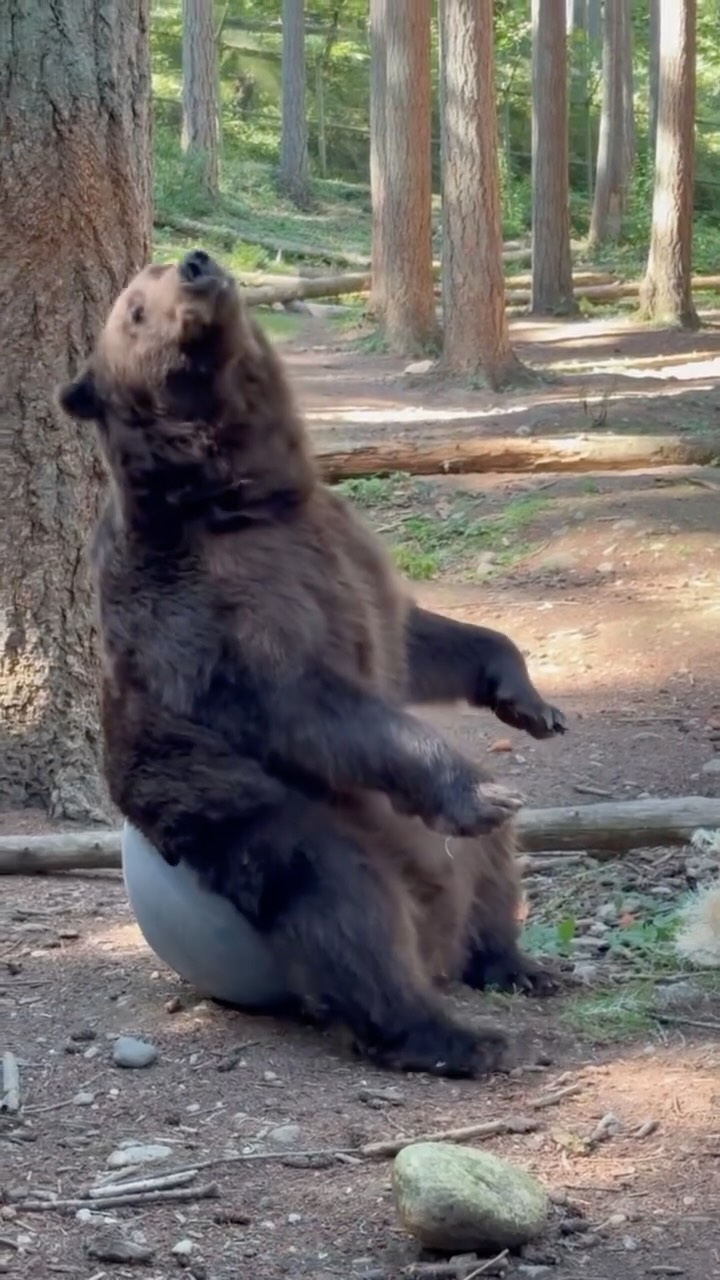
Grizzly bears (Ursus arctos horribilis) are iconic creatures known for their strength, intelligence, and adaptability. They inhabit diverse environments, from forests to mountain ranges, primarily across North America. The visual of a grizzly minding his own business, especially in an unusual setting like a “weeble,” captivates imaginations. This article will examine the behavior, ecological significance, and conservation efforts surrounding these majestic animals, as well as the role of zoos and public engagement in wildlife preservation.
Understanding Grizzly Habitats and Behaviors is crucial to appreciating their role in the ecosystem. Grizzlies primarily thrive in dense forests, alpine regions, and coastal areas, where they can find a diverse diet. These bears are omnivorous, consuming plants, insects, fish, and small mammals. Their seasonal foraging behavior demonstrates remarkable adaptability; they stock up on food in preparation for hibernation, exhibiting behaviors that ensure their survival in harsh winter months.
The social structures of grizzly populations can vary. Generally, they are solitary animals, particularly males; however, females are often seen with their cubs. Cubs stay with their mothers for about two to three years, during which time they learn vital survival skills. Social interactions, while limited, can include vocalizations, body language, and even confrontations over territory or food, showcasing their complex personalities.
The significance of wildlife conservation cannot be overstated, especially in the case of grizzlies. These bears serve as an umbrella species, meaning their conservation contributes to the overall health of the ecosystems they inhabit. Healthy grizzly populations indicate a well-balanced environment. Unfortunately, human activities, including habitat destruction, poaching, and climate change, have led to a decline in their numbers.
Numerous organizations are dedicated to grizzly conservation, focusing on habitat preservation, conflict management, and public education. Mitigating human-wildlife conflict is a central part of these efforts. Programs that educate communities about coexisting with bears are essential. Local residents who understand bear behavior are less likely to encounter problems, such as attracting bears to human settlements through improperly stored garbage.
Grizzlies in zoos raise important questions regarding ethics and management. While some argue that zoos can provide safe environments for endangered species, others worry about the implications of captivity. Well-managed zoos can contribute to conservation through breeding programs and public education. Accredited institutions often invest in research and rehabilitation efforts, aiding ongoing conservation projects in the wild.
Animal enclosures designed to simulate natural habitats can enhance the quality of life for captive bears. Experts strive to create spaces that allow grizzlies to display natural behaviors, such as climbing, foraging, and swimming. Enrichment activities—ranging from puzzle feeders to varied diets—further encourage intellectual stimulation and physical health. Observing a grizzly “minding his own business” in such a setting can provide visitors with insights into the bear’s natural behaviors.
Anthropomorphism—the attribution of human traits to animals—frequently influences representations of grizzlies in popular culture. While some interpretations can help foster empathy and connection, overly humanized portrayals may foster misconceptions about wildlife behavior. Understanding grizzly bears as complex creatures, each with a unique set of behaviors and needs, encourages a more accurate appreciation of their role in nature.
Creating educational programs that focus on grizzly bears can ignite interest in wildlife conservation. Many zoos and wildlife centers offer hands-on experiences, such as bear walks and educational talks, enabling the public to learn directly from experts. These engagements not only enhance understanding but also foster a sense of responsibility towards conservation efforts.
Modern society is grappling with substantial environmental challenges, making public engagement in wildlife education more important than ever. By raising awareness about the struggles grizzlies face, individuals can feel empowered to participate in conservation efforts, whether through local initiatives or global policies.
The portrayal of a grizzly bear living his best life in a “weeble” evokes an important dialogue about how wildlife is represented in media and culture. Such imagery serves as an entry point for discussing broader themes of animal rights and welfare. Engaging narratives can captivate audiences and encourage them to support conservation initiatives.
Incorporating technology into wildlife education is another way to further engage communities. Virtual reality experiences, wildlife tracking apps, and interactive mobile exhibits can simulate the natural behaviors of grizzlies. When individuals can visualize a grizzly engaging in its natural habits—like foraging or playing—there is a greater chance they will understand the importance of protecting these habitats.
In addressing conservation, it’s worth noting the role of policy and legislation. Laws aimed at protecting grizzly habitats are essential for ensuring the future of these bears. Local governments, often in collaboration with conservation organizations, implement measures to safeguard against habitat fragmentation and pollution.
Research plays a vital role in species conservation strategies. Scientists conduct studies on grizzly populations, tracking behavior, reproduction, and genetics. This data directly informs how organizations create conservation plans, manage breeding programs, and mitigate threats. Understanding the genetic diversity within grizzly populations can also aid in planning for climate change, ensuring resilience against shifting environmental conditions.
Overall, the depiction of a grizzly bear minding his own business in a whimsical setting highlights not only the entertaining aspects of wildlife but also the serious need for conservation efforts. Balancing the needs of wildlife with human development presents challenges—but with education and advocacy, progress can be made. Engaging the public in these issues can foster a sense of stewardship over the environment, leading to more sustainable practices.
As the global population continues to grow and urban development expands, habitats have become increasingly at risk. Thus, the need to advocate for wildlife conservation, understand animal behavior, and participate in educational initiatives is imperative. Each step taken, whether through legislation, education, or personal action, contributes to the larger goal of protecting grizzly bears and the ecosystems they inhabit.
The next time you encounter a depiction of a grizzly bear living its best life, consider the broader implications. Every representation offers an opportunity to discuss the importance of conservation. Grizzly bears are not just symbols; they are living, breathing beings that play critical roles in their ecosystems. The responsibility lies with us to ensure their survival for generations to come.
*****
Source Description
Just a grizzly, minding his own business… living his best life in a weeble. 🐻😌
