
-
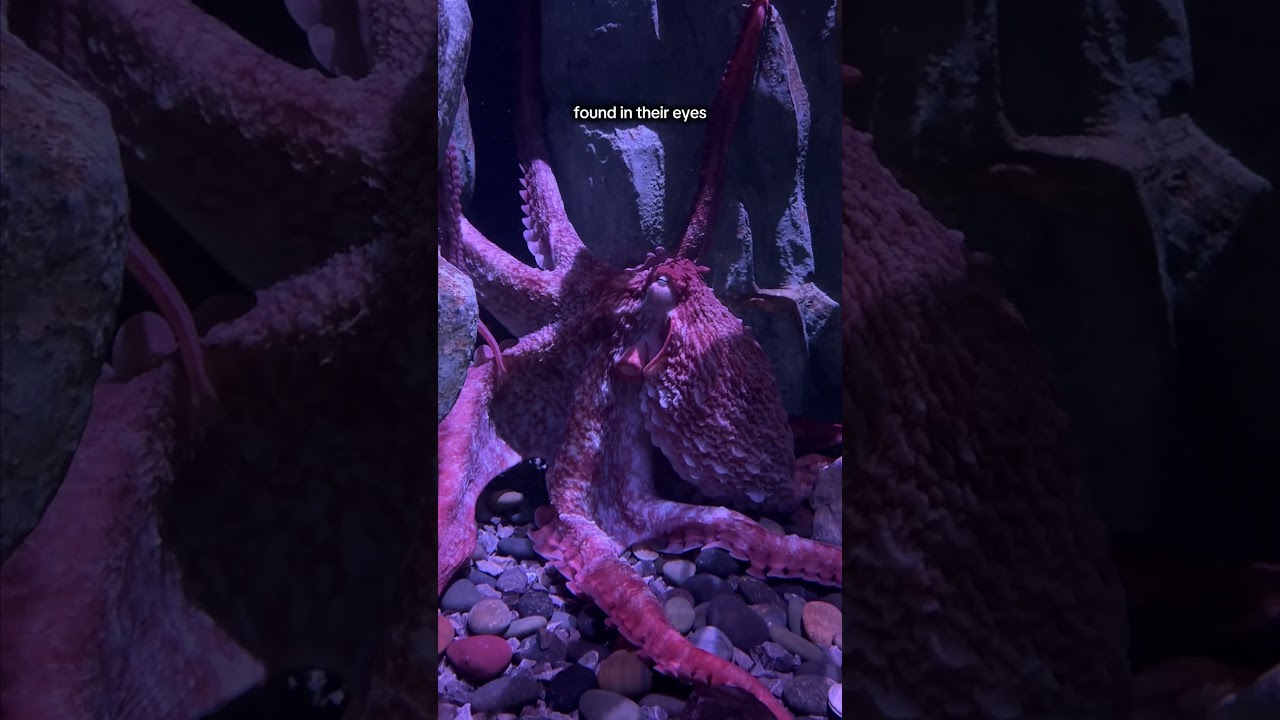
Octopuses have the ability to detect light through their skin, a phenomenon known as extraocular photoreception.
-
The mechanism behind this unusual ability involves specific proteins and cells that are similar to those found in eyes.
-
This aptitude for light detection supports camouflage abilities and contributes to their survival in diverse environments.
-
The research into octopus skin vision has significant implications for understanding nervous systems and could inspire new technologies.
-
Conservation efforts highlight the importance of protecting octopus habitats as their unique traits provide valuable ecological insights.
Octopuses are among the most fascinating creatures in marine biology, known for their intelligence, dexterity, and remarkable adaptability. One extraordinary feature that has captured the attention of scientists is their capability to detect light with their skin. This ability is formally referred to as extraocular photoreception. It represents a unique adaptation that offers a glimpse into the complex mechanisms governing cephalopod biology.
In recent years, research into the phenomenon has revealed that octopus skin contains proteins and cells reminiscent of those found in their eyes. This specialized tissue enables them to perceive changes in light intensity, playing a crucial role in their survival. By detecting light not only with their eyes but across their skin, octopuses can adapt their camouflage to blend seamlessly with their surroundings, even without visual input.
The underlying mechanism involves light-sensitive proteins known as opsins. Found predominantly in the eyes of most animals, opsins in octopuses are distributed throughout their skin. These proteins can chemically react to light, initiating a response that allows the octopus to perceive changes in brightness and potentially even some aspects of color.
Understanding octopus skin vision provides profound insights into the evolutionary strategies of cephalopods. Their ability to adapt visually to their environment extends beyond mere survival—it exemplifies the intricacies of their nervous system. The distributed nature of their sensory perception reflects an advanced evolutionary design, capable of processing environmental information across their entire body.
In addition to its biological importance, this capability opens doors to potentially revolutionary technologies. Biomimicry of octopus skin could influence the development of adaptive materials or technologies. Imagine clothing or devices that adjust to lighting conditions autonomously, a concept inspired by the very nature of octopus adaptation.
From a conservation perspective, safeguarding octopus habitats becomes imperative. These creatures not only enhance biodiversity but also offer unique insights into evolutionary biology and ecology. Protecting their natural environments ensures the continuity of their existence, allowing us to continue learning from their distinctive behaviors and physiologies.
Moreover, octopuses play crucial roles in marine ecosystems. Their predation and foraging activities regulate prey populations and contribute to the oceanic food web’s dynamic balance. Conservation efforts focusing on their protection facilitate broader ecological stability and reflect the importance of maintaining diverse maritime habitats.
Research into cephalopod ecology highlights the reliance of octopuses on specific environmental conditions. Factors such as pollution, climate change, and overfishing pose significant threats to their populations. By understanding and mitigating these risks, we can foster ecosystems where octopuses and other marine organisms thrive.
Efforts to safeguard octopus populations align closely with sustainable fishing practices. By promoting responsible fishing and minimizing bycatch, fisheries can reduce their impact on cephalopod populations. This approach not only benefits octopuses but also sustains the livelihoods of communities dependent on marine resources.
Studying octopuses extends beyond their biological and ecological significance. These creatures have captivated human imagination through literature, art, and mythology. Their presence in cultural narratives showcases an enduring fascination with their mysterious and complex nature.
Through scientific exploration, education, and policy development, we strive to protect and learn from these remarkable animals. The understanding of octopus vision and its myriad implications reflects a broader commitment to exploring the natural world. Their ability to “see” through their skin offers a testament to nature’s ingenuity and highlights the importance of conserving unique biological systems.
In summary, the discovery that octopuses can detect light through their skin not only enhances our understanding of cephalopod adaptations but also prompts reflection on the broader ecological and technological possibilities. It underscores the necessity of preserving their habitats and ensuring the continued survival of these enigmatic yet enlightening creatures.
*****
Source Description
Guess who’s always watching… 🐙 For World Octopus Day, we’re highlighting our Giant Pacific Octopus & their creature vision. ✨
#tennesseeaquarium #chattanooga #octopusfacts #gpo #cephalopod #aquariums #Oddtober #spookyvibes
