
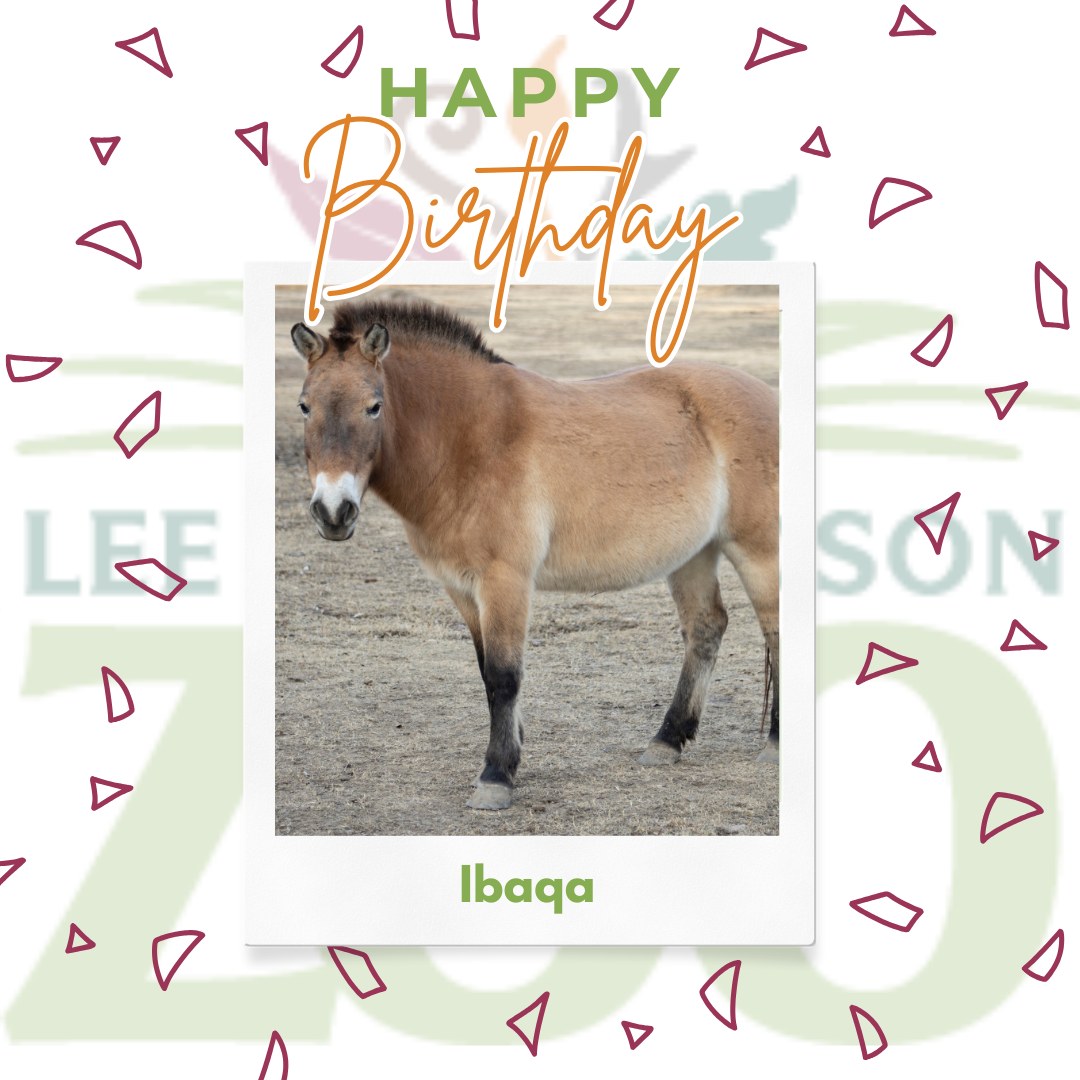
- The biological and behavioral characteristics of Ibaqa, the Asian wild horse.
- The significance of Ibaqa’s arrival in January 2017 to conservation efforts.
- The role of zoos in protecting and educating the public about Asian wild horses.
- The challenges facing the Asian wild horse population today.
- Ways to support conservation initiatives for Ibaqa and her kin.
Ibaqa, the Asian wild horse, now celebrates her 18th birthday, a testament to both her vibrant spirit and the dedication of those who care for her. Also known as the Przewalski’s horse, Ibaqa embodies the history, biology, and conservation challenges associated with her species. Though Ibaqa may appear as an ordinary horse, her existence represents a critical effort in wildlife preservation.
Ibaqa exhibits fascinating biological and behavioral attributes. This species, native to the grasslands of Central Asia, exhibits a stocky build. Adult Przewalski’s horses typically stand around 12 to 14 hands high and weigh between 600 to 800 pounds. Their distinct appearance includes a dorsal stripe running down the back, a light-muzzled head, and a tufted tail. The coat color ranges from sandy brown to a darker, almost chestnut hue, allowing for effective camouflage amidst the tall grasses and scrublands of their natural habitat.
Behaviorally, Ibaqa and her counterparts are known for their social structures. They often live in small family groups led by a dominant stallion. Their communication comprises various sounds, body language, and even facial expressions that help maintain social cohesion. This social dynamic is essential for their well-being, demonstrating the interplay between behavior and survival.
In January 2017, Ibaqa joined her zoo family, marking a significant moment in conservation efforts. Her arrival not only brought a captivating presence but also highlighted the critical role zoos play in protecting endangered species. From breeding programs to genetic diversity, the importance of this initiative cannot be overstated. Zoos function as secure habitats for various animal species while also educating the public about wildlife conservation.
Ibaqa’s presence serves a larger purpose. By showcasing the beauty and uniqueness of Asian wild horses, zoos foster a connection between visitors and wildlife. This connection is vital in inspiring conservation efforts. The visibility of creatures like Ibaqa helps raise awareness about the threats facing their wild relatives and encourages community involvement in preservation. By visiting Ibaqa and learning about her story, the public gains an understanding of the challenges that species like hers must overcome.
Despite the progress seen in conservation initiatives, the Asian wild horse population faces significant threats. Historically, Przewalski’s horses were declared extinct in the wild by the late 20th century due to habitat loss, hunting, and competition with livestock. Though efforts led to the creation of protected reserves, ongoing challenges remain. Habitat fragmentation continues to threaten their survival as agriculture and urban development encroach on their natural environments. Additionally, climate change poses new threats, altering habitats and food sources, making survival more difficult.
Educational initiatives play a pivotal role in ongoing conservation efforts. Public awareness campaigns can motivate individuals to support wildlife protection programs. Sponsored events, community gatherings, and even social media campaigns can emphasize the necessity of preserving species like Ibaqa. By teaching about the ecological value of the Asian wild horse, conservationists can galvanize community support. Public interest can lead to funding, research opportunities, and ultimately, sustained survival for many endangered species.
Those wishing to contribute to conservation initiatives can explore several pathways. Donations to wildlife organizations that focus on the Przewalski’s horse can amplify efforts aimed at habitat restoration. Volunteers can also participate in local conservation programs that work directly with endangered species. Educational workshops, whether in classrooms or community centers, help raise awareness about the imperative of wildlife preservation.
Additionally, individuals should support sustainable practices in their daily lives. Choosing eco-friendly products and supporting businesses committed to conservation can have far-reaching effects. Awareness of the environmental impact of consumer choices encourages responsible stewardship, benefiting ecosystems globally.
As Ibaqa celebrates 18 remarkable years today, it becomes paramount to remember her contributions to conservation. Her life and presence serve as a reminder of both the challenges faced by the Asian wild horse and the ongoing efforts to secure its survival. Education, community involvement, and sustainable practices are vital in this endeavor. Preservation of Ibaqa’s species is not only a scientific concern but a shared responsibility for all who care about wildlife and environmental stewardship.
The zoo community remains committed to ushering in another prosperous year for Ibaqa, filled with enrichment and care. Treats, social interaction, and habitat fulfillment are essential to her quality of life. During her birthday celebration, keepers will make sure Ibaqa receives her favorite edibles, showcasing how dedicated care can enhance the overall well-being of animals in captivity.
The story of Ibaqa goes beyond her birthday; it embodies the broader narrative of conservation and our relationship with wildlife. By understanding the intricacies of species like the Przewalski’s horse, society can create meaningful change. Ibaqa’s journey offers insight into habitat preservation, species recovery, and the invaluable connection between humans and wildlife. Thus, as Ibaqa turns 18 today, let her story inspire action toward a sustainable future for all species, ensuring the survival of this remarkable animal for generations to come.
*****
Source Description
Ibaqa, the Asian wild horse, is officially 18 years old today!
This pretty lady joined us in January of 2017 and has been strutting her stuff around the horse habitat ever since!
Happy birthday Ibaqa we know your keepers will be sure to get you your favorite treats and enrichment today!
