
- The ecological role of the Red-footed Tortoise in forest ecosystems
- Habitat and behavioral characteristics of Chelonoidis carbonarius
- Conservation efforts by the Turtle Conservancy and local partners
- Challenges facing Red-footed Tortoises in the wild
- The significance of public awareness and community involvement in tortoise conservation
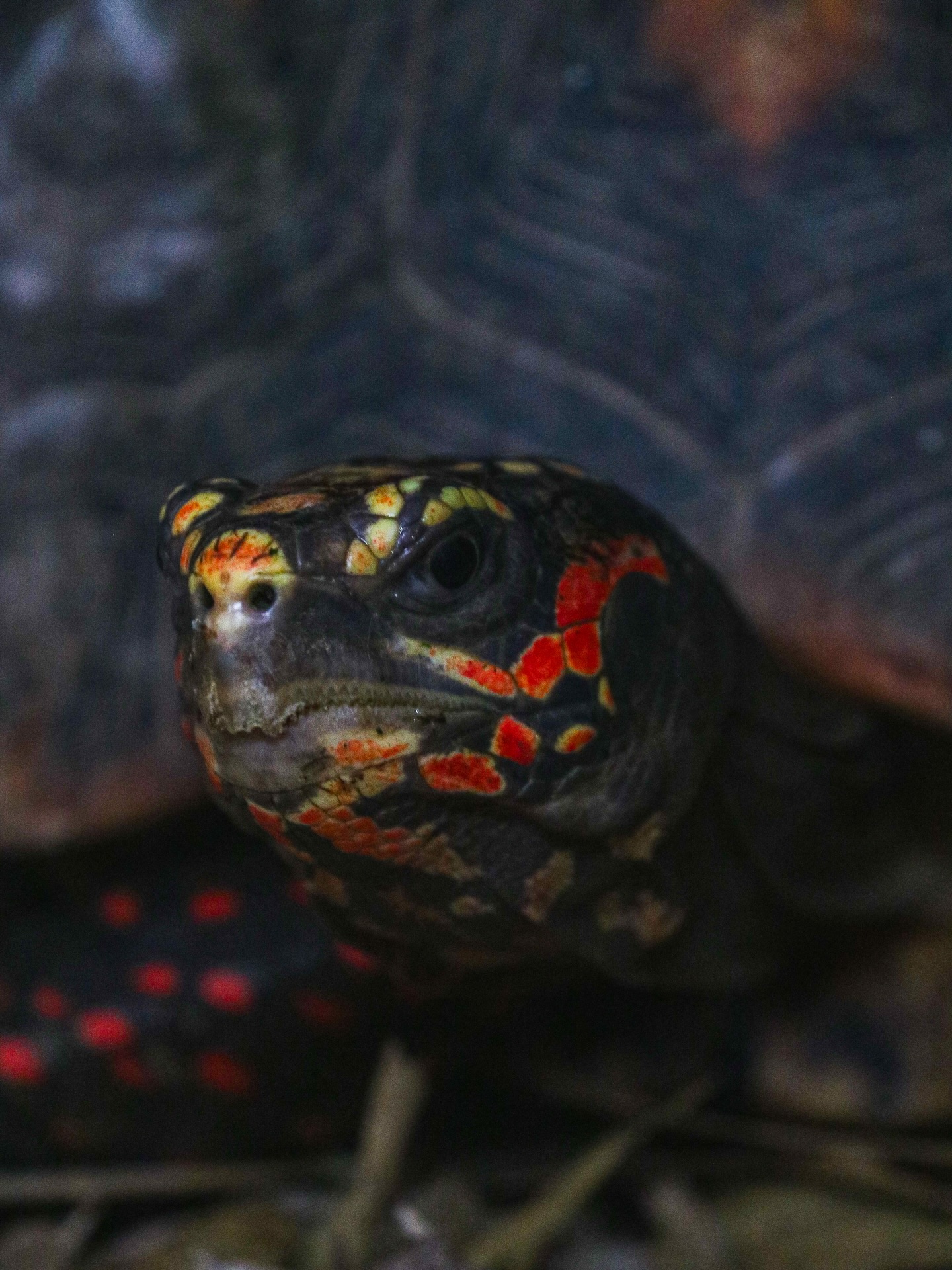
The Red-footed Tortoise (Chelonoidis carbonarius), often referred to as the “gardener of the forest,” is a crucial component in the health of tropical ecosystems. Native to South America, these tortoises can be found in habitats ranging from rainforests to savannas. Their role in seed dispersal helps ensure the regeneration of various plant species, thereby maintaining the structure and composition of their environment.
Ecologically, Red-footed Tortoises consume a diverse diet primarily composed of fruits, vegetables, and flowering plants, making them vital agents for seed dispersal. As they travel through dense vegetation, they excrete seeds far from their original sources, promoting genetic diversity and aiding in forest regeneration. This natural process supports the growth and sustainability of numerous tree species, creating a dynamic ecosystem that benefits various animal and plant life.
This important function highlights the interconnectedness of species within an ecosystem. The presence of Red-footed Tortoises aids in the survival of numerous other organisms. Their movement across the forest floor not only contributes to nutrient cycling but also affects soil composition, thereby influencing plant growth and health. By supporting these tortoises, we ensure healthier forests capable of sustaining diverse life forms.
A closer look at the habitat and behavioral characteristics of Chelonoidis carbonarius reveals its adaptability. Preferring humid and warm environments, Red-footed Tortoises thrive in areas with abundant vegetation. They exhibit a relatively herbivorous diet, contributing to their role as primary consumers in their ecosystems. The tortoises can occasionally consume small insects or carrion, revealing a certain level of flexibility in their dietary habits. Their slow movement allows them to engage with their environment in a meaningful way; they often spend hours foraging for food or basking in the sun, which provides critical warmth for their metabolic processes.
The mating behavior of Red-footed Tortoises is characterized by unique vocalizations during courtship, and females can lay between 10 to 20 eggs per clutch. The incubation period lasts roughly 90 to 120 days, depending on temperature and humidity, and hatchlings emerge as miniature versions of their parents, ready to join the ecosystem. During early life stages, young tortoises face numerous threats, from predation to habitat loss, making survival a challenging endeavor.
At the Turtle Conservancy, efforts extend beyond simple care of these extraordinary tortoises. Partnerships with local organizations, such as Fundación Rewilding Argentina, focus on reestablishing self-sustaining populations in regions where they have vanished. This work is especially critical in places like El Impenetrable National Park, where conservationists are deploying multifaceted strategies aimed at increasing the tortoise population.
A significant aspect of these efforts involves monitoring released tortoises to track their adaptation and integration into the wild. Understanding their behaviors in natural settings helps inform future conservation practices. Monitoring includes collecting data on movement patterns, feeding habits, and breeding success, providing valuable information that can aid in managing habitats more effectively.
Restoration of habitats is essential in these conservation endeavors. The degradation of forest areas due to deforestation, agriculture, and urbanization not only reduces tortoise populations but also disrupts the delicate balance of ecosystems. Restoration involves planting native vegetation, creating protected areas, and promoting sustainable land use practices that prioritize the needs of both local communities and wildlife. Such initiatives help create environments where tortoises can thrive and accomplish their ecological roles.
The challenges facing Red-footed Tortoises are numerous and complex. Habitat destruction remains a significant threat, primarily driven by agricultural expansion and logging activities. Additionally, illegal poaching for the pet trade has diminished populations dramatically in recent years. Environmental changes due to climate phenomena also introduce new hurdles, affecting food availability and breeding patterns. Young tortoises, in particular, are vulnerable to these shifts, as their intact habitats become fragmented and hostile.
The plight of Red-footed Tortoises highlights the importance of public awareness and community involvement in conservation efforts. Engaging local communities in educational initiatives creates a more informed citizenry that understands the value of maintaining biodiversity. Awareness campaigns can not only inform people about the importance of tortoises but also promote practices that benefit their habitats. When local communities recognize the ecological importance of tortoises as seed dispersers, they are more likely to participate in conservation activities.
Moreover, sustainable practices like agroforestry—combining agriculture with the conservation of natural trees—can create synergistic benefits for both humans and wildlife. By teaching farmers how to incorporate these practices, conservation organizations help facilitate a model that promotes coexistence. Communities can thrive economically while ensuring the health and sustainability of ecosystems.
Collaboration across sectors is paramount. Conservation organizations, researchers, and local governments must work together, sharing knowledge and resources to address the multifaceted challenges facing Red-footed Tortoises. By pooling expertise, they can devise innovative solutions to preserve this species and the ecosystems they support.
In addition, legislation plays a critical role in safeguarding tortoise populations. Appropriate legal frameworks can enforce protection measures, and international cooperation can combat illegal trafficking. Conservationists advocate for stronger laws that not only protect tortoises but also their habitats from degradation. Aligning local, national, and international laws creates a more robust protective network around vulnerable species.
Enhancing scientific research around the Red-footed Tortoise is also essential. Ongoing studies can provide insights into their life patterns, dietary preferences, and social interactions. Monitoring their populations and health helps gauge the effectiveness of conservation strategies and reveals trends that necessitate further action. Research not only informs conservation practices but can also enlighten public discussions about the significance of tortoises in maintaining ecological integrity.
In summary, the Red-footed Tortoise plays a pivotal role in the ecosystems they inhabit. Their actions as seed dispersers contribute significantly to forest regeneration, demonstrating the intricate relationships within ecological communities. Meanwhile, the conservation issues they face cannot be ignored; habitat destruction, poaching, and environmental changes present serious threats to their survival.
The collaborative efforts between the Turtle Conservancy and local organizations like Fundación Rewilding Argentina exemplify meaningful strategies for restoring populations and habitats. As we strive to foster a sustainable future for both Red-footed Tortoises and the diverse ecosystems they inhabit, engaging public interest and promoting community involvement will be key. A multifaceted approach that incorporates various stakeholders will bolster these efforts and contribute to healthier, more resilient ecosystems where Red-footed Tortoises can flourish once again.
*****
Source Description
The Red-footed Tortoise (Chelonoidis carbonarius) is often called a “gardener of the forest,” dispersing seeds as it moves through dense understory and helping regenerate the ecosystems it depends on.
At the Turtle Conservancy, our work extends beyond care. In partnership with local organizations like Fundación Rewilding Argentina, we’re supporting efforts to reestablish self-sustaining populations of this species in places where they’ve disappeared, including Argentina’s El Impenetrable National Park.
This includes monitoring released tortoises, restoring habitat, and ensuring these animals can once again play their role in shaping healthy, functioning forests.
Learn more about how we’re working to protect this species in the wild at the link in our bio.
