
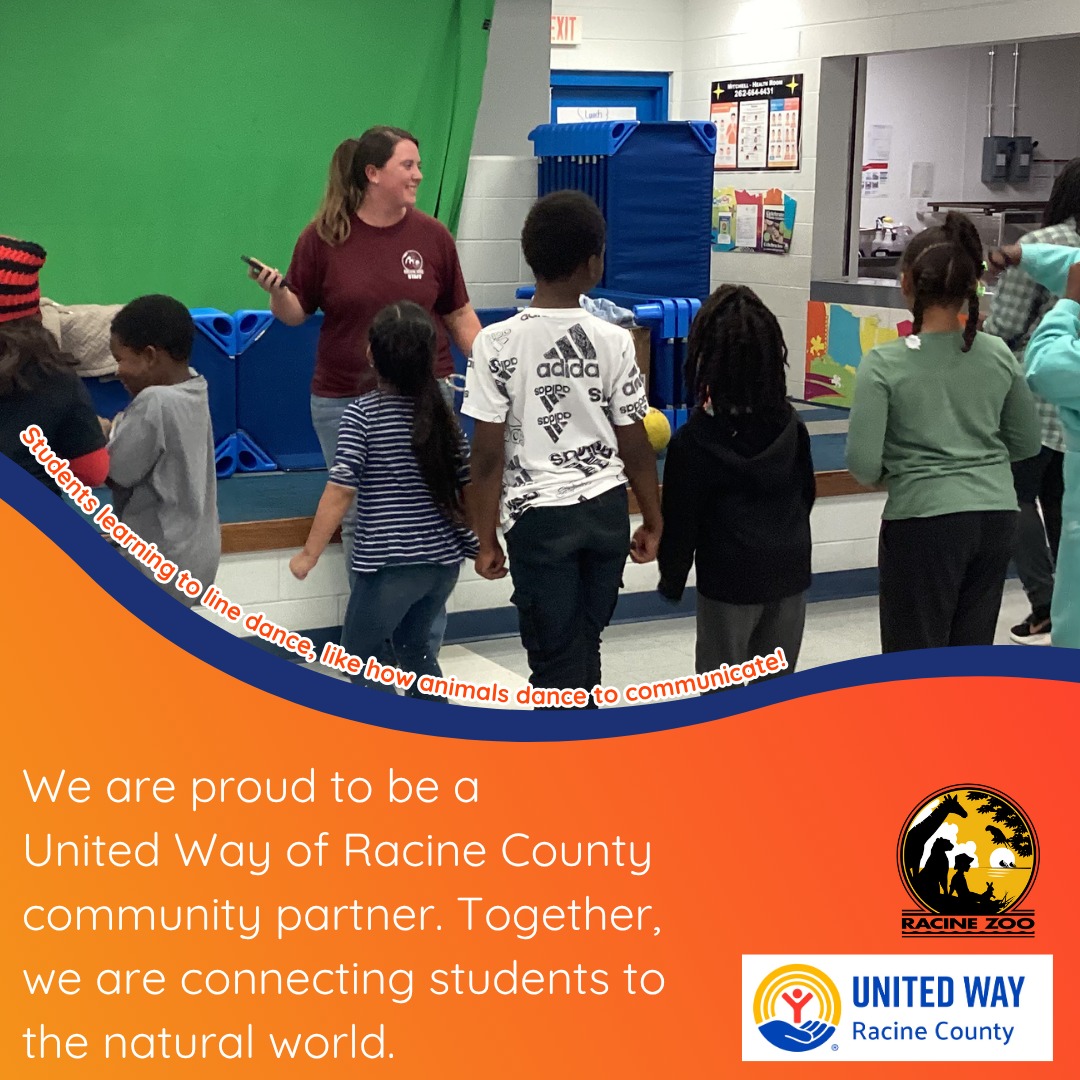
- We are proud to be a United Way of Racine County community partner.
- The importance of connecting students to the natural world.
- The role of line dancing in animal communication.
- Practical activities to engage students with wildlife.
- Strategies for promoting wildlife conservation in educational settings.
We are proud to be a United Way of Racine County community partner. This collaboration emphasizes the significance of community partnerships in promoting educational initiatives that connect students to the natural world. In an age dominated by technology, it is crucial to foster an appreciation for nature and wildlife among students. Engaging students in outdoor activities helps them develop a deeper understanding of ecosystems, biodiversity, and the relationships that underpin life on Earth.
An essential aspect of our initiative is highlighting the importance of connecting students to the natural world. Scientific research continually demonstrates that exposure to nature positively influences physical health, mental well-being, and academic performance. Educational programs that integrate outdoor learning experiences allow students to develop a profound respect for their environment, encouraging a sense of stewardship that can last a lifetime. Engaging with nature has shown to improve attention spans and foster creativity, making outdoor learning an invaluable addition to traditional education.
To illustrate the connection between human movements and wildlife, we introduce the concept of line dancing, drawing parallels with how animals communicate. Animals, much like humans, utilize a variety of movements, gestures, and displays to convey messages. Different species have specific patterns of movement that serve unique purposes, such as attracting mates, establishing territory, or signaling alarm. For example, bees perform a dance known as the waggle dance to indicate the location of food sources. This dance is intricate, encoding information about distance and direction through movement.
Incorporating line dancing into educational programs serves multiple purposes. First, it engages students in a fun and interactive way. As they learn to mimic animal movements and express themselves through dance, they develop a kinesthetic understanding of how wildlife communicates. Second, line dancing acts as an effective tool for kinesthetic learners, allowing students to absorb information through physical activity. By combining dance with zoological themes, we help students internalize the complexities of animal behavior, making this learning process both enjoyable and informative.
To connect students further with wildlife, practical activities can be designed to promote hands-on experiences in natural settings. Field trips to local parks, nature reserves, or wildlife rehabilitation centers provide students with opportunities to observe animals in their habitats. Such experiences spark curiosity and prompt questions about animal behavior, ecosystems, and conservation practices. Interactive sessions led by wildlife experts can enrich these trips, offering insights into the lives of various species and the challenges they face in the wild.
In addition to field trips, classroom activities can effectively bring the natural world into the educational environment. Nature-themed projects can range from creating birdhouses to engaging in citizen science initiatives, such as local biodiversity surveys. These hands-on activities motivate students to explore their surroundings, analyze ecosystems, and share findings with peers. Encouraging students to document wildlife observations fosters critical thinking and enhances their knowledge of local species.
Promoting wildlife conservation within educational settings is vital for shaping responsible future citizens. Integrating conservation themes into curriculum helps students understand the significance of biodiversity and the consequences of habitat loss. Discussing real-world issues, such as climate change and pollution, gives students context for why conservation is necessary. This knowledge can empower them to advocate for change within their communities.
Educational programs can also highlight successful conservation efforts, demonstrating the tangible benefits of wildlife protection. By presenting case studies of successful species recovery initiatives, students can learn about the challenges faced by various organizations and the strategies implemented to help endangered species. Understanding these successes can inspire young learners to engage in conservation efforts locally, strengthening their connection with nature.
Engaging students through storytelling is another effective method for raising awareness about wildlife conservation. Narratives featuring animal protagonists allow students to empathize with various species and recognize their importance within ecosystems. By fostering emotional connections, storytelling can motivate students to take action in support of wildlife and the environment.
Collaboration between educators, conservation organizations, and community partners plays a crucial role in enhancing these initiatives. Partnering with local environmental groups allows educators to access resources, support, and expertise that can enrich educational experiences. Workshops and training sessions hosted by conservation professionals can provide teachers with the tools necessary to deliver engaging nature-based curricula.
Alongside community involvement, digital resources can also facilitate a deeper understanding of wildlife and conservation. Virtual field trips, interactive online databases, and wildlife documentaries serve as supplements to in-person experiences. These tools make learning about the natural world accessible and engaging for students who may not have the opportunity for outdoor experiences due to geographic or socioeconomic barriers.
Utilizing modern technology, educators can create lessons that incorporate multimedia components, allowing students to access a diverse range of perspectives. This approach can ignite interest in wildlife and foster a culture of curiosity and exploration. For example, virtual tours of wild habitats enable students to witness animals in their natural environments, reinforcing the connection between creatures and their ecosystems.
By implementing multifaceted educational strategies that combine community support, hands-on experiences, storytelling, and modern technology, we can strengthen student connections to the natural world. Our partnership with the United Way of Racine County embodies our commitment to fostering environmental stewardship among young learners. Together, we can encourage the next generation to become advocates for wildlife conservation, inspiring them to incorporate sustainable practices in their lives.
The importance of wildlife conservation cannot be overstated. Biodiversity is essential for ecosystem stability, resilience, and productivity. It is vital that students understand not only the roles various species play but also the interconnectedness of all living things. When students learn about ecosystems, interactions within those systems, and threats like habitat destruction and climate change, they develop a more comprehensive worldview.
Incorporating local flora and fauna into educational discussions is essential for personalizing the learning experience. Learning about the species that inhabit students’ own neighborhoods or regions fosters a sense of belonging and connection to the environment. This local focus also permits students to observe wildlife and ecosystems directly, allowing them to witness firsthand the impact of human activities on local habitats.
Supporting wildlife conservation efforts requires collective action. Educating students about organization efforts, volunteer opportunities, and advocacy initiatives helps them feel empowered. When students see their actions making a difference, they are more likely to continue engaging in conservation activities in the future.
Hands-on experiences can also include creating school gardens or habitats for local wildlife, such as pollinator gardens. These projects not only enhance biodiversity but also foster a sense of community as students work together towards a common goal. Schools can become a hub for wildlife conservation education, reinforcing the idea that positive contributions are possible at even the smallest scale.
Understanding the consequences of human actions on ecosystems is crucial for building future environmental leaders. Encouraging critical discussions about human impact can help develop the problem-solving skills necessary to tackle real-world conservation challenges. Stakeholders, including parents, teachers, and community members, can participate in these discussions, creating a web of support for students’ ideas and initiatives.
Through partnerships such as the one with the United Way of Racine County, we can propel students’ engagement with the natural world. The collaborative efforts of educators, conservation organizations, and community members create a conducive environment for nurturing environmentally conscious individuals. Together, we can amplify students’ voices, ensuring they grow into advocates equipped to tackle the pressing challenges facing our planet.
Understanding the roles animals play in ecosystems, the importance of biodiversity, and the challenges that wildlife face will ultimately shape a generation of stewards prepared to protect our environment. As we engage students in learning about their natural surroundings, we open doors to transformative experiences that can alter their perspectives and inspire change. Fostering a love for wildlife can lead to lifelong commitments to conservation, making the case clear for the importance of programs focused on connecting students to the natural world. Enhancing educational practices to prioritize these connections means investing in a sustainable future for both people and wildlife.
*****
Source Description
We are proud to be a United Way of Racine County community partner. Together, we are connecting students to the natural world.
Students learning to line dance, like how animals dance to communicate!
