
- The National Aquarium’s role in Baltimore’s community and culture
- The significance of public outreach events like Free Fall Friday Night
- The importance of marine conservation and education initiatives
- The Aquarium’s partnerships with local organizations
- The impact of the National Aquarium on tourism and the local economy
The National Aquarium serves more than just as a home for aquatic life; it embodies a vital part of Baltimore’s cultural and communal fabric. Established in 1981, the aquarium sits on the picturesque Inner Harbor, catalyzing educational opportunities and providing recreational activity for residents and visitors alike. As a leading institution dedicated to marine life and conservation, the National Aquarium plays a pivotal role in promoting awareness of the challenges faced by aquatic ecosystems.
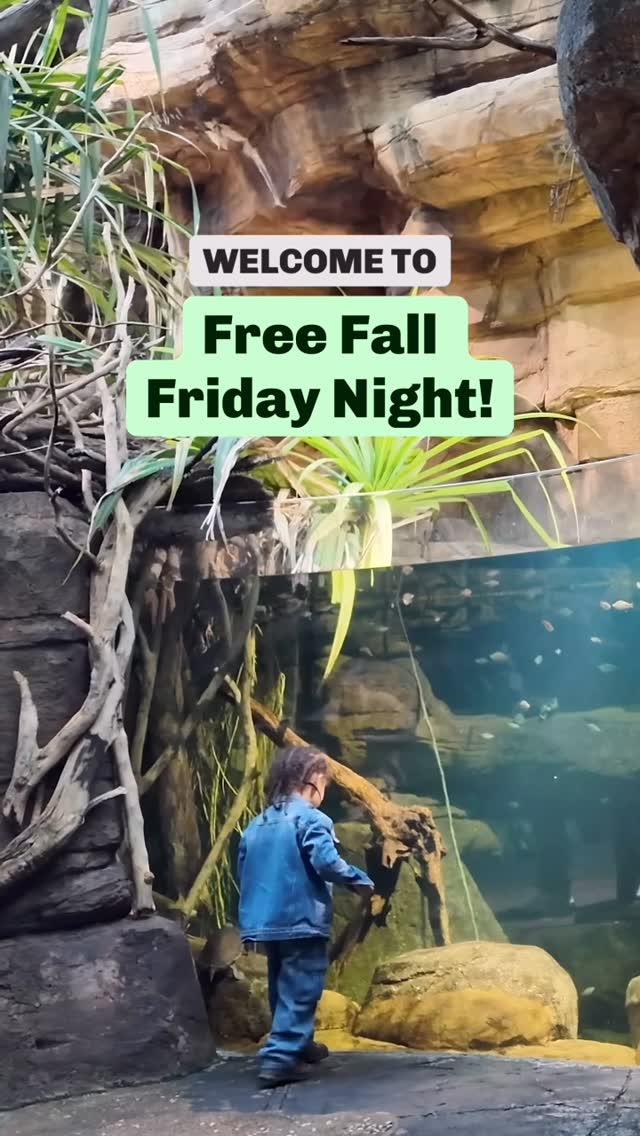
Public outreach is one of the key focuses of the National Aquarium. Events such as Free Fall Friday Night are more than just social gatherings. On recent occasions, the aquarium has welcomed over 2,500 guests from Maryland during these community events. Attendees enjoy free access to exhibits and educational programs, showcasing the aquarium’s commitment to inclusivity and accessibility. Collaborating with “Free Fall Baltimore,” a citywide initiative celebrating arts and culture, the aquarium strengthens its connection to local residents. Engagement in such events facilitates community bonding and fosters a more profound appreciation for the aquatic experience.
The National Aquarium’s educational initiatives extend beyond events like Free Fall Friday. Through structured programs for schools, families, and adult learners, the aquarium emphasizes marine conservation, biodiversity, and sustainable practices. School tours often align with state science standards, making it a beneficial resource for educators. Students gain hands-on experiences through interactive exhibits that enhance their understanding of environmental science, ecology, and conservation.
In addition, the aquarium offers workshops and seminars aimed at various age groups, addressing topics such as climate change, the importance of clean waterways, and responsible pet ownership regarding aquatic animals. Such programs are critical in nurturing the next generation of environmental stewards. Education at the National Aquarium emphasizes both scientific knowledge and personal responsibility, instilling values that resonate within the community and contribute to broader conservation efforts.
The success and effectiveness of the National Aquarium’s programs are bolstered by its partnerships with local organizations. Collaborating with restaurants, schools, and conservation groups allows the aquarium to expand its reach and impact. These relationships facilitate shared goals centered on promoting sustainability and preserving marine life. For instance, partnerships with local schools often include joint initiatives like clean-up days at nearby waterfronts, directly involving students in the physical preservation of their communities.
This collaboration aligns with the aquarium’s larger mission to cultivate healthy aquatic communities. The synergy between the aquarium and these organizations creates a ripple effect that enhances community involvement in ecological issues while also attracting diverse populations to participate in educational programming.
The National Aquarium contributes significantly to tourism and the local economy. As one of Baltimore’s top attractions, it draws millions of visitors annually. The influx of tourists generates substantial revenue, which supports local businesses. Restaurants, hotels, and shops in the Inner Harbor often see increased patronage from aquarium visitors. This tourism creates job opportunities in the hospitality sector, further enriching the local economy.
The aquarium’s exhibits, like the Living Seashore, Coral Reef, and Amazon Rainforest, provide immersive experiences that engage visitors. Each exhibit is designed to highlight the complexity and beauty of aquatic life, serving not just as an entertainment venue but also as a space of learning. By showcasing diverse marine ecosystems, the National Aquarium emphasizes the importance of preserving these habitats.
One significant aspect of the aquarium’s work is its commitment to animal care and rehabilitation. More than a passive display, the aquarium actively participates in wildlife rescue programs. The Marine Animal Rescue Program plays a crucial role in rehabilitating injured or stranded marine animals. After treatment, these animals are either released back into their natural habitats or serve as ambassadors for their species within the aquarium.
This focus on animal welfare reinforces the aquarium’s mission and adds an authentic narrative of conservation that resonates with visitors. Guests are often inspired to support marine conservation efforts after witnessing the rehabilitation process firsthand.
Moreover, the aquarium actively engages in research aimed at enhancing knowledge about marine species and their ecosystems. This research, often conducted in partnership with universities and conservation groups, ranges from studying the behavioral ecology of specific species to assessing the health of local marine habitats. The data collected informs practices such as better management of aquatic resources and more effective conservation strategies.
The aquarium’s efforts extend to advocating for policy changes that protect marine ecosystems. By collaborating with local, state, and national policymakers, the National Aquarium influences legislation that supports sustainable practices. This approach underscores the importance of scientific research in informing public policy discourses related to environmental conservation.
The role of the National Aquarium reaches beyond exhibit walls and community events; it is a catalyst for change that emphasizes the interconnectedness of communities and ecosystems. It cultivates a sense of responsibility toward preserving aquatic environments while enriching the cultural and educational landscape of Baltimore.
Furthermore, the aquarium recognizes the vital importance of incorporating technology into its mission. Virtual reality experiences and interactive digital exhibits enable visitors to engage with aquatic ecosystems in innovative ways. By employing cutting-edge technology, the National Aquarium not only pulls visitors into the depths of the oceans but also prepares the next generation for understanding the complexities of marine ecology.
As society faces pressing challenges such as climate change and habitat degradation, the role played by institutions like the National Aquarium becomes increasingly important. Its commitment to education, conservation, and community involvement fosters a culture of ecological mindfulness. Through events, partnerships, and research, the aquarium serves as a prime example of how a local institution can shape broader environmental narratives and inspire action.
The aquarium’s dedication to promoting biodiversity extends to its participation in global conservation initiatives. By being an active member of organizations dedicated to global marine conservation, the National Aquarium contributes to wider awareness of critical issues affecting ocean life. education, research, and advocacy converge within this institution, creating a framework that encourages public engagement in global conservation efforts.
Through all these interactions and initiatives, the National Aquarium solidifies its significance within Baltimore not just as a destination, but as a cornerstone of the community. Its lasting impact highlights the value of nurturing a connection between people and the aquatic world. Ultimately, institutions like the National Aquarium inspire local residents to remain informed, engaged, and protective of their treasured environments.
By championing education, animal welfare, and conservation efforts, the National Aquarium demonstrates how a community can come together to address environmental challenges. The vibrancy of Baltimore’s culture integrates seamlessly with the mission of the aquarium, amplifying the importance of sustainable practices and community involvement. It is this deep-seated connection that enriches the experience for hundreds of thousands of visitors every year, solidifying the National Aquarium’s status as a vital community treasure.
*****
Source Description
The National Aquarium’s connection to Baltimore, Maryland is not simply a matter of location—this is our our community. At our latest community event, Free Fall Friday Night, we welcomed over 2,500 guests from Maryland to enjoy a night at the Aquarium, free of charge. Free Fall Friday is part of Free Fall Baltimore, a city-wide celebration of arts and culture in partnership with @create_baltimore.
