
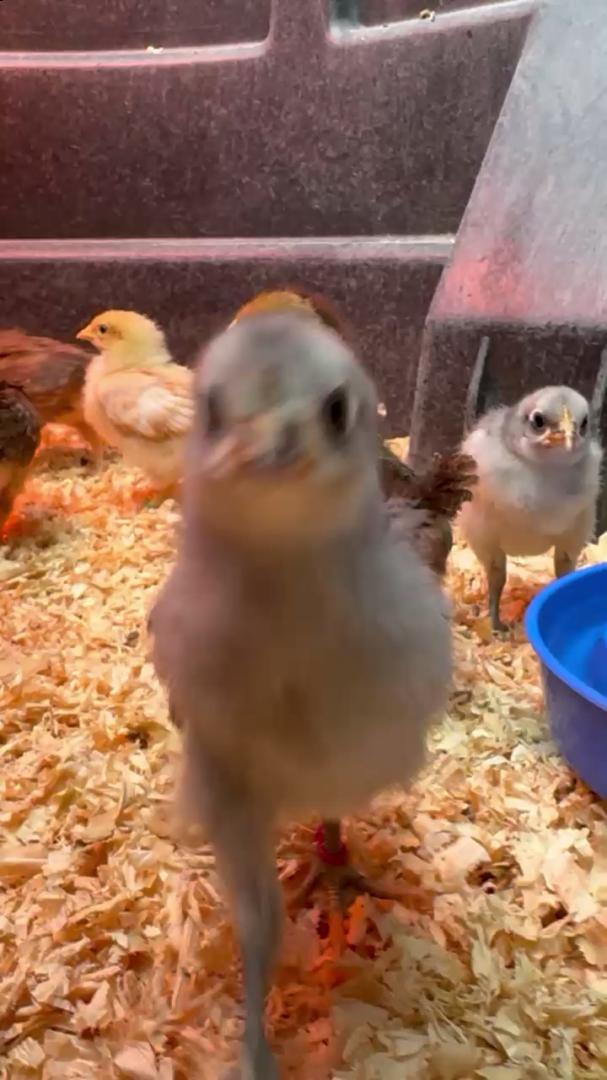
- The role of baby chicks in educational programs at zoos
- Understanding the breeds of baby chicks at Birmingham Zoo
- Care and management of baby chicks by the Alabama Wilds team
- The significance of visiting zoos for families and community engagement
- Educational opportunities arising from interacting with poultry
The new addition of baby chicks at Birmingham Zoo is exciting, providing excellent educational opportunities for visitors and enhancing the zoo’s role as a conservation and education center. The presence of these little birds not only adds charm to the Children’s Zoo Barn but also serves a broader purpose in teaching the public about animal behavior, care, and the importance of poultry in agriculture.
Baby chicks are more than just adorable creatures; they play a pivotal role in educational programs at zoos. These programs often aim to teach children and families about farm animals, nutrition, and where our food comes from. Understanding the life cycle of chickens—from egg to chick to adult—can foster a sense of responsibility and respect for animal life. Many educational programs include hands-on experiences, allowing children to interact with the chicks, observe their behaviors, and learn how poultry can be part of sustainable farming practices. These activities stimulate curiosity and encourage children to explore topics like biology, ecology, and food systems.
Birmingham Zoo is particularly fortunate to feature several specific breeds of chicks, including Welsummer, Whiting True Green, and Blue Andalusian. Each of these breeds has distinct characteristics and traits.
Welsummers are known for their rich mahogany-colored feathers and the unique, dark brown eggs they lay. Originating from the Netherlands, they are valued not only for their picturesque appearance but also for their friendly demeanor and hardiness, making them excellent foragers. Welsummers adapt well to varying living conditions, making them suitable for both small backyard flocks and larger operations. Their egg-laying capabilities and pleasant temperament make them a favorite for many poultry enthusiasts.
Whiting True Green chickens are relatively newer, developed to optimize egg production. What sets them apart is the vibrant green hue of the eggs they produce. They are known for their vibrant personalities and adaptability, traits that make them ideal for both novice and experienced keepers. These birds were bred for high output, often yielding around 250 eggs annually. Their adaptability to various climates and their strong immune systems make them a wise choice for sustainable egg production.
The Blue Andalusian is a beautiful breed, characterized by its slate-blue feathers and calm disposition. This breed has Spanish origins, initially bred for both meat and egg production. Although they are not prolific layers compared to the Whiting True Green, they provide excellent-quality eggs and are renowned for their friendly nature. Their resilience makes them a valued addition to any poultry collection, and they have become increasingly popular in backyard farming.
Caring for these baby chicks involves a comprehensive approach by the dedicated Alabama Wilds team. This committed staff plays an essential role in the upbringing of these chicks, providing a nurturing environment that includes proper nutrition, housing, and socialization. New chicks require specific conditions to thrive. Temperature control is critical during the first few weeks of life. A heat source, such as a heat lamp, must maintain a warm and constant environment. The optimal temperature for young chicks is about 95°F in the first week, gradually decreasing as they grow.
Proper nutrition also forms the backbone of chick care. The chicks are provided with a balanced diet rich in proteins, vitamins, and minerals, promoting healthy growth and development. Commercial starter feed designed for chicks is often used, supplemented with fresh water at all times. As they mature, their diet may include grains, vegetables, and even insect proteins to cater to their nutritional needs.
Socialization is another vital component in raising chicks. They develop social skills and learn to interact with one another and the environment through gentle handling and interaction with caregivers. This early socialization sets the stage for their future behavior as adult hens and roosters.
Beyond the importance of caring for baby chicks, the role of zoos in community engagement cannot be overstated. Birmingham Zoo serves as a gathering place for families, providing a fun and educational environment. During special events, such as the opening on Veterans Day, families have the opportunity to connect with each other while exploring animal exhibits. Military families often receive discounts or free admission, reflecting the zoo’s commitment to serving the community and recognizing the sacrifices made by service members.
Such community engagement encourages a sense of belonging and strengthens local ties. Families who frequent the zoo often leave with newfound knowledge, eye-opening experiences, and a deeper appreciation for wildlife. These interactions help build connections between people and animals, facilitating conversations focused on conservation, sustainable practices, and the importance of caring for the environment.
Zoo visits also present unique educational opportunities arising from direct interactions with animals. Visitors can learn about biodiversity, ecosystems, and the specific roles that various species play in their habitats. When people observe the baby chicks, they may become intrigued by the broader implications of animal husbandry, agriculture, and food systems. This firsthand experience can inspire positive behavioral changes at home, from starting backyard gardens to advocating for local farms.
Education through interaction is particularly impactful for younger audiences. Children who engage with baby chicks in an educational setting are more likely to remember key concepts related to biology, ecology, and animal care. Making connections in a lively environment, such as the Birmingham Zoo, often leads to lasting impressions and encourages curiosity about the natural world.
Engaging with baby chicks also emphasizes lessons about responsible pet ownership and humane treatment of animals. Educators can initiate discussions about the essentials of animal welfare, showing young visitors what it takes to provide a caring environment for pets or livestock.
Animal welfare extends beyond just the chickens at the zoo. It reaches all facets of husbandry practices. Understanding the needs of animals, including social, nutritional, and environmental aspects, is invaluable. With this knowledge, individuals and families can make informed decisions about their interactions with all animals, promoting compassion and stewardship.
As the baby chicks at Birmingham Zoo grow, they will become a part of a larger narrative about food systems and agricultural practices. They will represent not just a charming addition to the zoo but serve as ambassadors for the role of poultry in food security and sustainability. Learning to appreciate these roles will aid in fostering a community that values animal welfare and environmental responsibility.
Furthermore, the zoo’s commitment to conservation education is more crucial than ever. With issues like habitat loss, climate change, and the global decline of animal populations pressing on our time, engaging communities becomes essential. Educating visitors about the importance of preserving species and ecosystems can ignite awareness and action toward conservation efforts.
The baby chicks at Birmingham Zoo exemplify a blend of education, community engagement, and environmental stewardship. Through careful management and dedicated care, they are being nurtured to become a part of the fabric of zoo life. Visitors will not only enjoy their cuteness but will also gain insights into the significant roles that animals play in our society, agriculture, and the ecosystem.
As you plan your visit to Birmingham Zoo, consider the larger lessons that await beyond simply viewing the baby chicks. Engage with the team’s offerings, explore educational materials, and immerse yourself in a rich experience that deepens your appreciation for animals. Whether you are a child visiting for the first time or an adult seeking to rediscover your connection with nature, the baby chicks and their vibrant environment will leave a lasting impact.
*****
Source Description
You’ve heard the saying “Mondays are for the birds,” but we’re giving it a whole new, adorable meaning!
Meet our newest residents, a group of baby chicks now calling Your Birmingham Zoo home! 🌿
You can find these chickens at the Children’s Zoo Barn, where they’re being cared for by our amazing Alabama Wilds team.
They may be tiny now, but with lots of love and care, they’ll be clucking right along with the rest of the flock in no time! 🐔💚
Your Birmingham Zoo will be open on Tuesday, Nov. 11 for Veterans Day. Military families get in free with proper ID. All other guests get $5 off. Afternoon temperatures will be in the 50s. More details at BirminghamZoo.com.
Breeds include: Welsummer, Whiting True Green, and Blue Andalusian!
