
- Ripple’s role in animal behavior and social systems
- The dynamics of sibling relationships in wildlife
- The importance of caretaking in the animal kingdom
- Munti’s role as a nurturing figure
- The implications for wildlife management and conservation
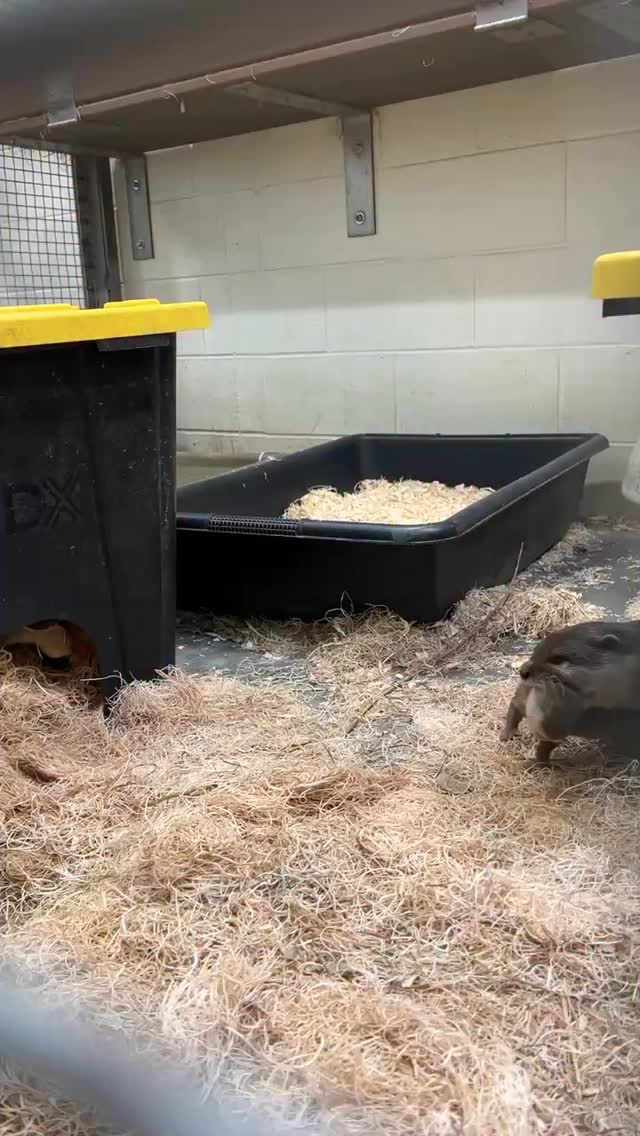
Ripple, a character in the wild, embodies what it means to be a helpful figure. Often seen moving baby animals back into their nests, Ripple signifies an intriguing aspect of animal behavior. This playfully stubborn interaction showcases the complexities of sibling dynamics in various animal species. Animal behavior science extensively studies these interactions, providing insights into both instinctual actions and learned behaviors.
The role of Ripple can be examined through different lenses—biological, psychological, and social. Animals often exhibit behaviors that appear altruistic, where a sibling or peer attempts to assist others within their group. For instance, many bird species practice communal care, where multiple adults are responsible for the upbringing of young birds. Ripple’s actions may appear counterproductive at first, but they are rooted in instinctual behavior shaped by evolutionary needs.
Analyzing Ripple’s protective nature highlights the behavior seen in many animals. In species where siblings may compete for resources, the presence of an attentive sibling can either foster cooperation or escalate familial rivalry. Ripple’s attempts to help might suggest a protective instinct that drives him to ensure the welfare of his siblings. However, his actions could also derail the efforts made by Munti to manage the placement of the young. This dynamic directly illustrates a fundamental aspect of sibling interactions, where the desire to help can become a source of tension rather than support.
The nurturing role played by figures like Munti is vital for the survival and development of young animals. Numerous species exhibit intricate caregiving behaviors, from birds constructing nests to mammals nursing their young. In avian species, maternal care often includes transferring chicks from one nest to another, a common occurrence during their early developmental stages. Munti’s movements are strategically designed to ensure the right conditions for the babies. Proper nest placement can significantly affect their health and survival rate; therefore, her actions are necessary.
Ripple’s resistance to Munti’s efforts can serve as a spotlight on broader behavioral patterns in environmental interactions. It’s important to consider the impact of familial structures on wildlife management. Understanding these unique social dynamics provides insights into conservation strategies. For example, if a species with a tightly knit family structure faces environmental stressors, their survival could depend on the successful execution of caregiving behaviors. Conservation strategies can then be developed with a sophisticated understanding of these behaviors, focusing on enhancing conditions that foster healthy familial interactions.
Siblings often play an influential role in the life of younger animals. They not only act as companions but also as teachers in survival skills. Some species practice what is known as “brood parasitism,” where one animal lays its eggs in the nest of another species. This can lead to unique sibling dynamics, where the adopted siblings must compete for resources. In such cases, the competition fosters resilience and adaptability. Ripple’s attempts to safeguard his siblings by moving them illustrates the broader spectrum of behaviors aimed at nurturing and protecting the next generation.
When analyzing the motherly role of Munti, it becomes clear that her strategies reflect a broader understanding of animal welfare. Many mammals and birds exhibit nurturing behaviors highly adaptive to their environments. The strategies employed by Munti involve meticulous consideration of factors, such as nest location, predator awareness, and resource availability. Just as in human parenting, animal parents must constantly adapt their strategies to change in environmental conditions.
Understanding these ongoing pressures aids in the efficient management of wildlife populations. Through careful observation of caregiver behaviors, wildlife managers can deploy more effective conservation strategies. It becomes possible to create safer habitats that encourage nurturing behaviors while deterring any instincts that may lead to conflict among siblings or other animal groups.
The interaction between Ripple and Munti exemplifies the broader concepts of caregiving and social systems. Ripple’s behavior may seem unhelpful at first glance; however, they reflect an instinctual need to protect and care for loved ones. This illustrates the idea that animal behaviors, even if seemingly counterintuitive, serve a significant purpose in their ecosystems. In several species, such as meerkats, individuals will take turns caring for their young while other family members forage for food. This cooperative strategy strengthens familial bonds and enhances the chances of offspring survival, emphasizing the critical role caregiving plays in animal social structures.
In addition to nurturing behaviors, sibling relationships impact social structures within wildlife populations. Competition and cooperation are essential elements of these dynamics. Some animal species thrive through teamwork, while others may succumb to competitive instincts that can become detrimental to their survival. Ripple’s actions indicate a deeper instinct that balances care and competition. His determination to keep the babies in one nest can be seen as a means of maintaining what is familiar.
Combining all these behaviors provides a comprehensive overview of social dynamics among animal species, which can be analyzed, modeled, and understood by conservationists.
The behavioral patterns exhibited by Ripple and Munti highlight the intricate ways in which nurturing and competition manifest in wildlife. Animal behaviors surrounding sibling dynamics and caregiving may not only be understood in ecological contexts but also influence how we approach conservation. Observing these interactions sheds light on how to create wildlife management strategies that promote natural behaviors.
The influence of caregiver figures on the success of offspring cannot be underestimated. In animals like elephants and dolphins, strong familial structures hinge on extensive caregiving practices. These caring relationships enhance the development of social skills and adaptability, vital for survival in the wild. Munti’s actions in moving the babies reflect upon this notion, as her care directly relates to their chances of thriving.
In a broader ecological context, understanding the interactions between caregivers and their offspring echoes the importance of preserving habitats that support these vital behaviors. Wildlife conservation efforts often focus on larger environmental changes. However, the details surrounding animal behavior and familial relationships play a crucial role in the ecological balance.
Wildlife managers must take into account not just the physical needs of the species but also their social structures. Ripple’s watchful consciousness shows how interconnected animal lives can be. Inclusive conservation strategies acknowledge the complexity of social interactions and implement more nuanced approaches to wildlife management.
Ripple symbolizes resilience and instinctual protection, key elements in the lifecycle of many species. His playful defiance against Munti’s guidelines raises questions about the topics of cooperation and survival in animal societies. Understanding these behavioral intricacies reveals the extensive work still needed in wildlife conservation and management.
By incorporating knowledge of animal behavior into conservation practices, we can adopt comprehensive strategies to maintain the integrity of animal populations. It’s crucial to recognize that family dynamics like those illustrated by Ripple and Munti influence not just the individual animals involved but have cascading effects on ecosystem health.
The blend of nurturing behaviors and sibling relationships showcases an essential component of environmental stewardship. With continued research and observation, we can foster species that thrive on their natural instincts and social systems. By promoting environments where animal interactions can take place naturally, conservationists strengthen populations and support biodiversity for generations to come.
Thus, the narrative of Ripple attempting to maintain order reflects a more extensive picture of wildlife dynamics. Understanding animal behaviors related to caregiving and sibling interactions grants us insights necessary for effective wildlife conservation strategies. Recognizing how these roles impact animal society acts as a foundation for nurturing future efforts in wildlife management. By focusing on these interrelationships, conservationists can support not only individual species but also the ecological systems they inhabit.
*****
Source Description
Ripple is trying to be a helpful big brother but whenever Mom Munti moves the babies from one nestbox to another Ripple moves them right back. haha. Not helpful Ripple! 😆🥹☺️
