
- The significance of sea ice for polar bears and their hunting practices.
- Overview of Kirsten’s journey to Churchill with Polar Bears International.
- The role and responsibilities of Arctic Ambassadors and conservation organizations.
- Current threats to polar bear populations due to climate change.
- The importance of public awareness and education in wildlife conservation.
The significance of sea ice for polar bears and their hunting practices cannot be overstated. As apex predators in the Arctic ecosystem, polar bears primarily rely on sea ice to hunt for their main prey: seals. These massive carnivores are adept at navigating the frozen landscapes, using sea ice as platforms for hunting. The formation of sea ice in the Hudson Bay is critical for their survival. During the summer months, the ice retreats, forcing polar bears to rely on fat reserves while they await its return. This reliance on sea ice makes polar bears exceptionally vulnerable as climate change continues to alter Arctic environments. Scientists have documented significant reductions in sea ice extent and thickness, impacting the bears’ access to food and ultimately their population dynamics.
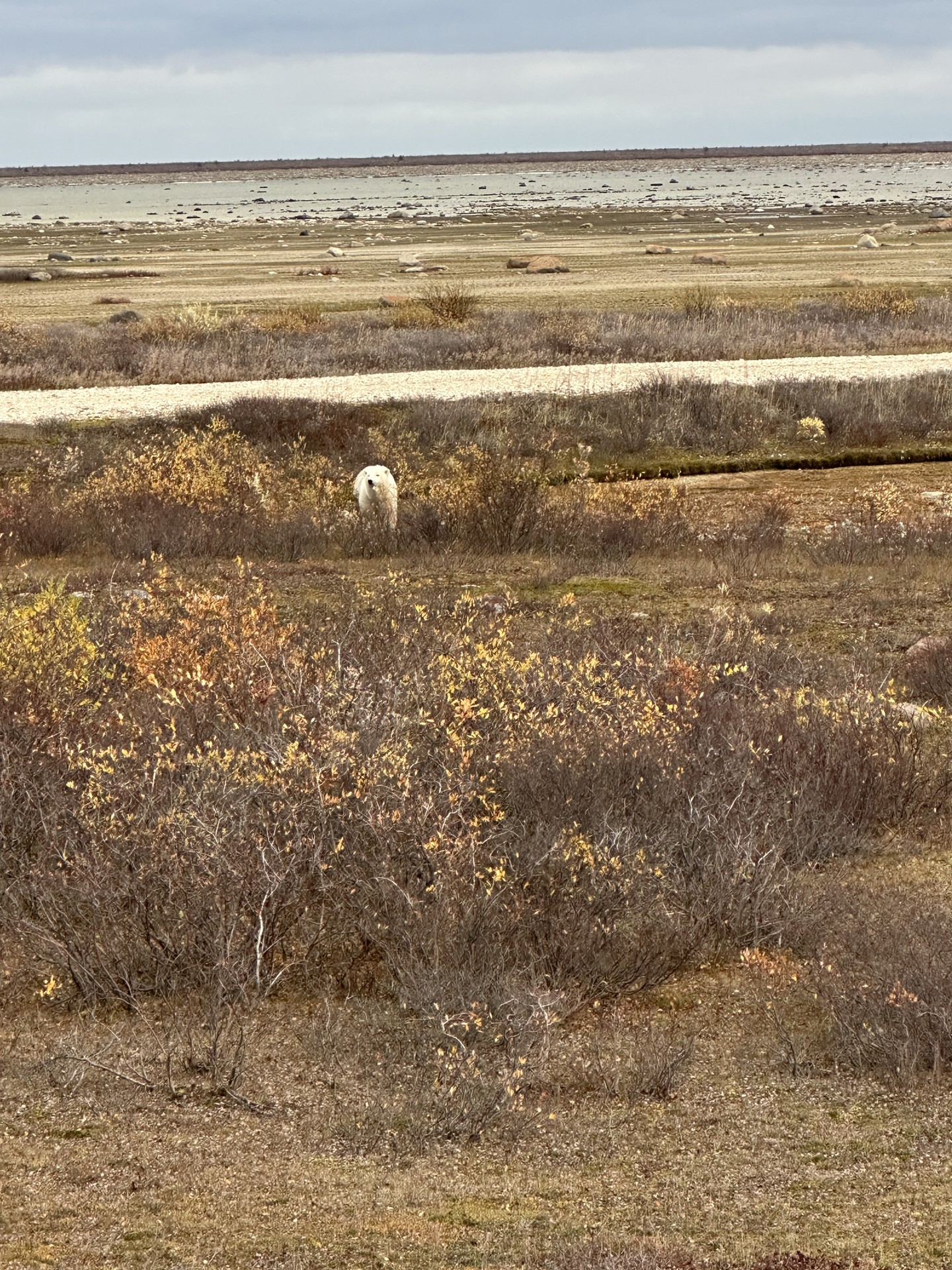
Kirsten’s recent journey to Churchill, Canada, highlights the current state of polar bears and their habitats. Traveling with Polar Bears International, she was immersed in a community dedicated to the conservation of these iconic creatures. Churchill is often referred to as the “Polar Bear Capital of the World,” a name earned due to the area’s unique position along the migratory routes of polar bears. As summer transitions into autumn, bears gather in significant numbers along the shore, anticipating the freeze on Hudson Bay that allows them to hunt seals. Kirsten’s experiences and the footage captured during this trip reflect the urgency of understanding and addressing the challenges these animals face.
The role and responsibilities of Arctic Ambassadors, such as those associated with the North Carolina Zoo, are varied and crucial to polar bear conservation efforts. Ambassadors work to spread knowledge about the impacts of climate change on polar bear habitats. They engage with the public through educational outreach, helping communities understand the decline in sea ice and its consequences for polar bears. This advocacy is essential for fostering support for conservation initiatives and policy changes to protect Arctic ecosystems. Arctic Ambassadors provide a vital link between scientific research and public awareness, rallying support for the conservation of these remarkable animals.
Climate change represents one of the most pressing threats to polar bear populations. The ongoing rise in global temperatures is contributing to the accelerated melting of Arctic ice. As the sea ice diminishes, polar bears face extended fasting periods, leading to malnutrition and decreased reproductive success. Several studies indicate that as the ice forms later in the season and melts earlier, the survival rates of cubs drop sharply. Furthermore, a decline in prey availability can lead to increased competition among bears, exacerbating the challenges they already face in their quest for sustenance. Conservation organizations are working tirelessly to conduct research, advocate for policy changes, and engage with local communities to mitigate these threats and enhance bear resilience.
Public awareness and education are indispensable in wildlife conservation efforts. By increasing understanding of the critical issues facing polar bears due to climate change, organizations can inspire collective action. Educational programs that target schools, community groups, and social media platforms can reach diverse audiences. Simple yet impactful actions—such as reducing carbon footprints, supporting sustainable practices, and advocating for environmental policies—can significantly influence the trajectory of climate change. Engaging with communities fosters a sense of stewardship and responsibility towards wildlife. The connection between people and nature must be highlighted to mobilize action for healthy ecosystems.
Kirsten’s trip to Churchill serves as an essential reminder of the ongoing battle to protect polar bears and their habitats. By sharing her experiences and insights, she contributes to a broader conversation about conservation and climate change. The footage collected during her journey not only illustrates the beauty and majesty of polar bears but also their fragility in the face of environmental shifts. Each polar bear sighting in Churchill is a reminder of the critical state of Arctic ecosystems. Awareness raised through such informative trips can empower individuals and organizations to act for these magnificent creatures.
In summary, the plight of polar bears amidst changing climates is a vital issue for wildlife conservation. The symbiotic relationship between polar bears and sea ice is irreplaceable, forming the cornerstone of their hunting behavior. As more individuals, like Kirsten, join the ranks of Arctic Ambassadors, the collective effort to protect polar bears gains momentum. There is hope to be had in the education and advocacy work being done to combat climate change and its impact on polar bears. The journey to raise awareness is ongoing, and each step taken is vital to ensuring a future where polar bears can thrive.
*****
Source Description
Rocky Coast Keeper Kirsten recently traveled to Canada, specifically Churchill, with Polar Bears International. As an Arctic Ambassador, the North Carolina Zoo is dedicated to raising awareness about polar bears and the threats they face from climate change. All the footage here is from Kirsten’s trip where the polar bears begin to gather in the Hudson Bay awaiting the formation of the sea ice. The sea ice is crucial to survival for polar bears and the only place they can find their main food source: seals. 🦭
@polarbearsinternational @frontiersnorth
