
- The significance of the phrase “Roses are red, violets are blue” in cultural and literary contexts
- Understanding sustainable seafood and the role of oysters in marine ecosystems
- The impact of oyster farming on environmental conservation and local economies
- The dietary benefits of oysters and their ecological importance
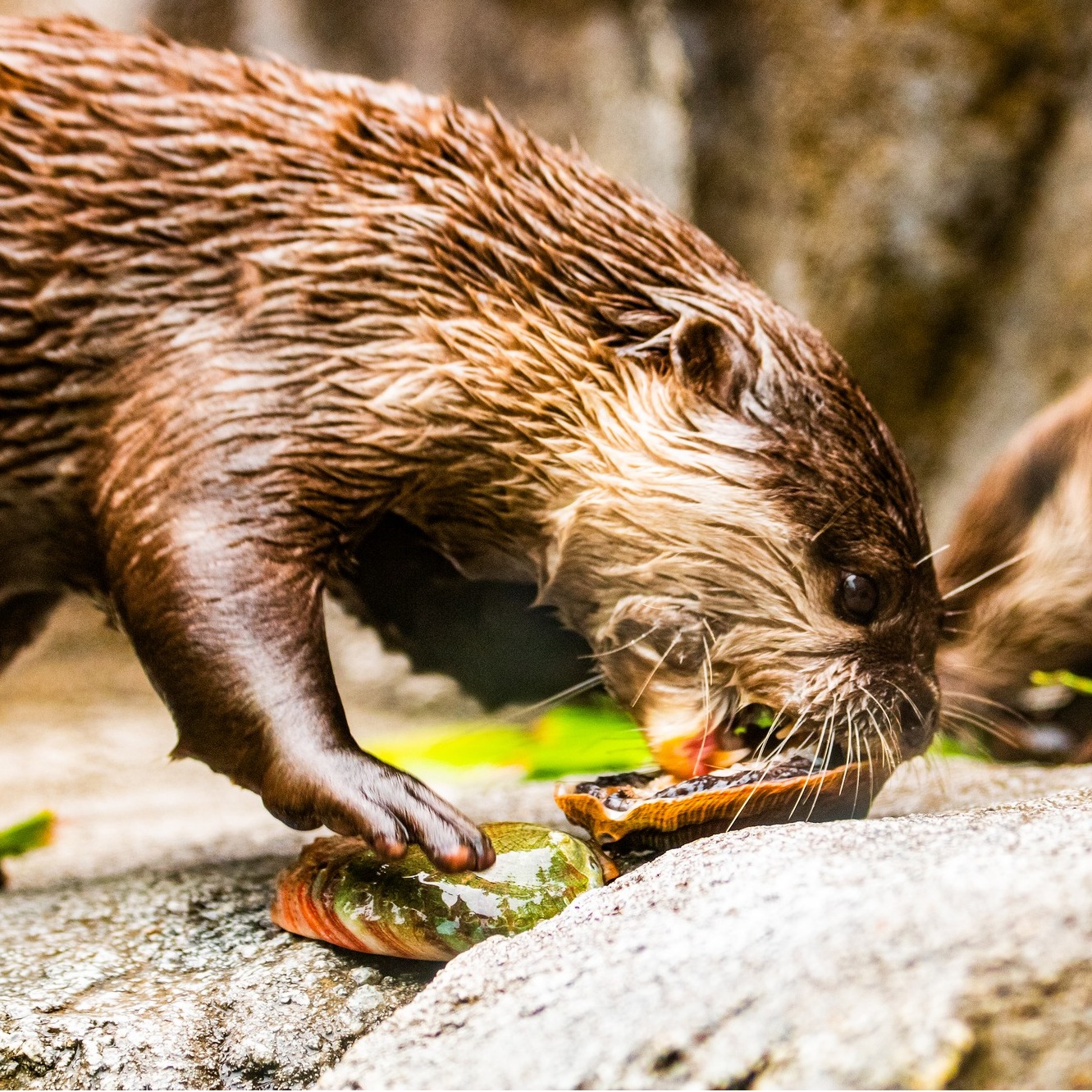
- The relationship between species like the Asian small-clawed otter and oysters
The phrase “Roses are red, violets are blue” has permeated cultural consciousness, often serving as a template in poetry and song. It encapsulates simplistic beauty and romantic sentiment. The duality of these lines symbolizes love and nature, creating a bridge between emotional expression and environmental awareness. In modern contexts, the phrase has taken on playful interpretations, leading to familiar prompts and humorous adaptations.
In a whimsical turn, let’s incorporate an oyster theme: “If I had another sustainable oyster, I’d share it with you!” This lighthearted expression connects emotional sharing with the pressing issue of sustainability. Sharing oysters becomes a vehicle for conversation about environmental protection, calling attention to the contribution of sustainable seafood practices. These practices are vital in combatting overfishing and contributing positively to marine ecosystems.
Oysters are a cornerstone of marine environments. They provide essential ecosystem services, including water filtration, habitat formation, and nutrient cycling. An oyster can filter up to 50 gallons of water each day. This capacity to clean water contributes to the overall health of coastal ecosystems, making oysters critical players in maintaining marine biodiversity.
Sustainable seafood refers to the harvesting and farming techniques that take into account the health of marine populations and habitats. Responsible oyster farming practices occur through aquaculture, allowing for oysters to be cultivated in a controlled environment. This practice mitigates the negative effects of wild oyster harvesting, including habitat destruction and overexploitation. The aquaculture industry has adopted stringent standards aimed at protecting both the marine environment and the communities dependent on it.
Oyster farming provides economic benefits to local communities by creating jobs and generating revenue. With the rise in demand for sustainable seafood, local economies benefit as businesses pivot to environmentally-friendly practices. Oysters are not only a delicacy but also a profitable source of income for many coastal regions. The transition to sustainable practices is often met with hurdles, yet the potential benefits for communities and ecosystems drive continued efforts.
The nutritional properties of oysters add an extra layer of appeal. These shellfish are rich in essential vitamins and minerals, particularly zinc, iron, and vitamin B12. Their relatively low calorie count makes them a healthy addition to many diets. The benefits extend beyond human consumption; oysters play a crucial role in marine ecosystems as a food source for a variety of predators, including birds and fish. The life cycle of oysters contributes to nutrient cycling in coastal water systems, which is vital for overall ecosystem stability.
The Asian small-clawed otter is a prime example of a species that benefits from healthy oyster populations. These otters, known for their dexterous paws, hunt for oysters along riverbanks. Their ability to open shells showcases the intricate adaptations that species develop to thrive in their environment. This behavior highlights the interconnectedness of species and ecosystems. By supporting sustainable oyster farming, we also promote the health of species like the Asian small-clawed otter, ensuring balanced ecosystems.
The relationship between oysters and their environment is further influenced by climate change. Rising sea levels and ocean acidification pose challenges to oyster populations. Oysters struggle to maintain their calcium carbonate shells in increasingly acidic waters. As temperatures rise, changes in marine species distributions can cause shifts in competition for resources. By understanding the role of oysters, stakeholders can implement proactive measures to protect these vital species.
Conservation efforts surrounding oysters emphasize habitat restoration. Many organizations focus on restoring oyster reefs that have been degraded due to human impacts. These reefs provide nurseries for juvenile fish and shelter for various marine organisms. By prioritizing the restoration of these habitats, we can enhance biodiversity and improve the overall health of marine ecosystems. Restoration projects often engage local communities, making the process both educational and participatory.
In addition to habitat restoration, sustainable farming practices support genetic diversity among oyster populations. Diverse genetic stock empowers populations to adapt to changing environmental conditions. This resilience is crucial for the survival of oyster species, particularly as they face stressors like pollution and disease. Efforts to cultivate a variety of oyster strains can help bolster population health in these challenging times.
Education plays a central role in promoting sustainable oyster practices. Informing consumers about the benefits of choosing sustainably-farmed oysters encourages responsible purchasing habits. Restaurants and seafood markets can contribute by sourcing their products from certified farms that prioritize environmentally-friendly practices. Increased consumer awareness creates demand for sustainable options, driving the market towards better practices.
The cultural significance of oysters extends far beyond their culinary appeal. Historically, oysters have been a food source for various cultures, valued for both their taste and nutritional content. In many coastal communities, the harvest and consumption of oysters remain integral to local traditions and lifestyles. This cultural connection reinforces the importance of preserving oyster populations for future generations.
Oysters also have ecological roles beyond their immediate environment. The formation of oyster reefs contributes to shoreline protection, reducing erosion and buffering against storm surges. These natural barriers serve to protect valuable coastal infrastructure while also enhancing marine biodiversity. For communities facing the impacts of climate change, the restoration of oyster reefs presents a vital strategy for adaptation.
Communities involved in oyster harvesting often emphasize stewardship, ensuring that current practices do not compromise future generations’ ability to benefit from ocean resources. Establishing local regulations and community-led initiatives foster shared responsibility for marine health. Additionally, these local partnerships often lead to increased investment in scientific research focused on sustainable practices.
Engaging in oyster farming can also provide educational opportunities for young people. Programs that involve students in oyster cultivation teach valuable hands-on skills and promote environmental stewardship. By exposing future generations to sustainable practices, we can cultivate a sense of responsibility for marine ecosystems. Educational initiatives can enhance understanding while providing practical experience within the field.
The reciprocal relationship between oysters and their ecosystems underscores the importance of sustainable practices. Providing habitat, filtering water, and supporting local economies, oysters exemplify the essential ties between species and their environments. Encouraging sustainable seafood choices, fostering community engagement, and promoting conservation efforts will collectively work toward maintaining healthy populations of oysters.
Oysters represent a species that captures the intersection of art, culture, and environmental responsibility. Through initiatives that focus on sustainability, the phrase “If I had another sustainable oyster, I’d share it with you!” resonates deeply with our collective mission for stewardship. Embracing the connection between culinary enjoyment and ecological health promotes a richer understanding of how we can all contribute to the preservation of our oceans.
The presence of species like the Asian small-clawed otter in oyster habitats reinforces the interconnected nature of marine ecosystems. As humans make choices in seafood consumption, prioritizing sustainability ensures the vitality of these relationships. Sharing in the experience of enjoying sustainably sourced oysters fosters a greater appreciation for marine ecosystems and the delicate balance between consumption and conservation.
Understanding oysters’ roles in both ecosystems and human cultures can inspire individuals to make responsible choices. In doing so, they contribute to lasting environmental stewardship. Healthy populations of oysters support vibrant marine ecosystems while fostering economic growth and cultural heritage. With every sustainable choice made, we move closer to a future where both natural and human communities thrive.
By keeping the poetry of “Roses are red, violets are blue” alive, we evoke a connection to the natural world. As we share our sustainable oysters, we can weave a narrative of care and responsibility that extends beyond individual choices into collective action. The call to share sustainable seafood encompasses gratitude, education, and the shared mission of protecting our oceans for generations to come.
*****
Source Description
Roses are red, violets are blue.
If I had another sustainable oyster, I’d share it with you! 🦦♥️🦪
Alt-text: A close-up of an Asian small-clawed voraciously digging into a freshly cracked open oyster. We see it flash its tiny teeth as it bites into its sustainable seafood feast.
