
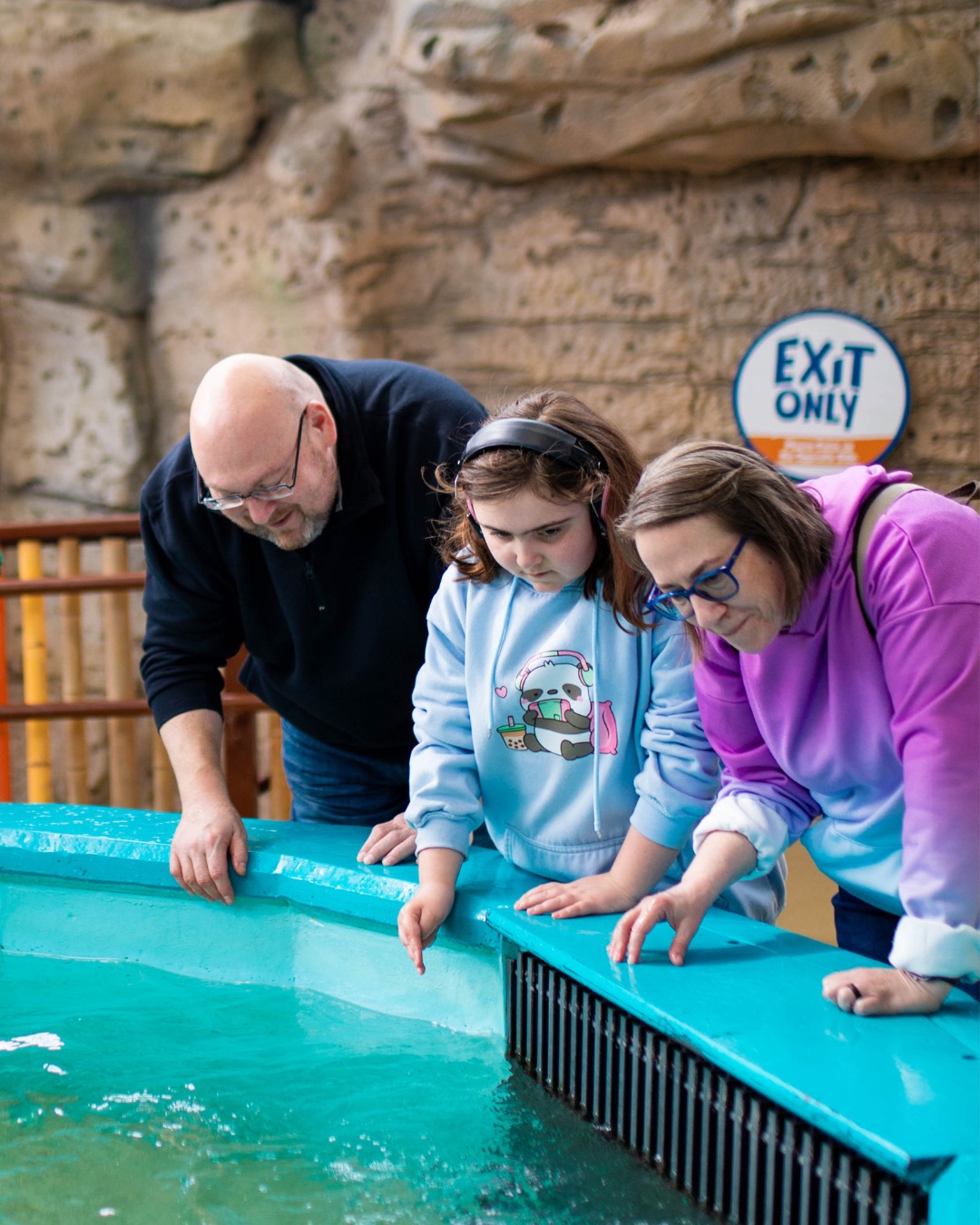
- The significance of sensory-friendly environments for individuals with special needs.
- Insights into Earth Day and its relevance to conservation education.
- The role of Shriners Hospitals for Children in community engagement and awareness.
- The importance of animal encounters in educational settings.
- Strategies for promoting wildlife conservation and its relationship to public events.
Creating spaces that accommodate individuals with sensory sensitivities is vital. The F.I.S.H. (Family Inclusive Sensory Hours) event, taking place on April 19, exemplifies this by promoting an environment conducive to comfort and learning. This initiative is particularly meaningful for those on the autism spectrum, as well as individuals with PTSD, anxiety, dementia, and other related conditions. The sensory-relaxed settings will feature softer lighting, reduced sounds, and lowered crowd numbers. Such adaptations can alleviate stress and create a sense of safety for guests. This commitment to inclusivity reflects the broader mission of Shriners Hospitals for Children, combining healthcare with community outreach.
Earth Day Celebrations provide an additional layer of connection to the F.I.S.H. event. Earth Day, observed on April 22, focuses on raising awareness about environmental issues and promoting conservation efforts. This year’s theme aligns well with the values of fostering a love for nature in all visitors, particularly those with sensory sensitivities. Educational organizations and institutions are tasked with building environmental awareness among communities, transforming educational experiences into catalysts for environmental stewardship. By incorporating Earth Day themes into F.I.S.H., attendees can explore the significance of nature and wildlife conservation in a manageable setting, heightening understanding and empathy toward various species and ecosystems.
Shriners Hospitals for Children plays a significant role in supporting children facing mental and physical challenges. Its involvement in family-inclusive events signifies the institution’s commitment to enriching community interaction and creating varied educational opportunities. Families participating in F.I.S.H. have a chance to engage with healthcare professionals, learn about wellness, and discover resources available for managing sensory sensitivities. The integration of health-focused expertise into the event sets a standard for community events, showing how healthcare and education intersect.
Educational settings that include animal encounters offer additional value to attendees. These live interactions become memorable experiences that can foster a deep-seated appreciation for wildlife and the environment. Research shows that close encounters with animals can spark curiosity, instilling a sense of responsibility toward preserving nature. Events like F.I.S.H. aim to build these vital connections, particularly for children who may benefit from sensory-friendly animal interactions. Whether it is through touching an animal or observing natural behaviors, these experiences can enhance emotional and cognitive responses, promoting stronger connections to wildlife.
Animal education programs also serve a larger purpose. They cultivate a sense of responsibility in participants, aligning personal actions with conservation efforts. Engaging children and families in direct experiences with animals fosters empathy and understanding of biodiversity issues. These programs can seamlessly connect with broader wildlife conservation narratives, equipping attendees with knowledge and tools necessary for advocating for environmental protection. It is crucial to foster these values early, as studies indicate that attitudes toward wildlife are often shaped during childhood.
The F.I.S.H. event is not simply a fun outing; it embodies principles central to wildlife conservation while advancing public awareness and education. By creating an accessible event, the organizers reduce barriers for families dealing with challenges related to sensory processing. This thoughtful approach not only allows participants to enjoy their time at the zoo but also makes learning about animals and ecosystems available to everyone.
Capacity control is a critical feature of the F.I.S.H. event. Limiting the number of attendees helps maintain a calming environment. By controlling the space and its sounds, organizers can significantly mitigate overwhelm, benefiting all participants. This approach aligns with best practices in zoo management, where attention is given to guest experience to ensure each individual derives satisfaction and enrichment from their visit.
Moreover, the integration of tailored programs promotes a more profound understanding of sensory challenges. Such initiatives can influence local policies by demonstrating the need for greater inclusivity in public spaces. By showcasing the positive outcomes of sensory-friendly hours, other institutions may be encouraged to adopt similar practices, expanding the reach of these ideals across communities.
The focus on conservation within the context of community events like F.I.S.H. also helps bridge gaps between educational institutions, healthcare, and environmental advocacy. Keeping the importance of preservation at the forefront creates an opportunity for families to foster a lifelong commitment to environmental sustainability. Children who engage with wildlife and learn about conservation in a supportive setting are more likely to act as stewards for the environment as adults. These early experiences can be pivotal in shaping future conservation leaders, who are essential in addressing pressing global concerns, such as habitat destruction and climate change.
Furthermore, partnerships with local organizations enhance the benefits of community events. Collaborative efforts with educational institutions, conservation groups, and healthcare providers create a network of support that amplifies each partner’s mission. Through these synergistic relationships, educational events can achieve greater community impact by pooling resources, knowledge, and expertise.
Attendees can expect a variety of activities during the F.I.S.H. event, enriching their engagement with their surroundings. Interactive educational stations will be available, providing information on local wildlife and their habitats. These stations can include hands-on exhibits, mobile displays, and engaging activities tailored specifically for sensory-friendly learning. This format presents an opportunity for families to absorb information at their own pace, encouraging autonomy and confidence in learning.
Additionally, the implementation of soft soundscapes and quiet zones enhances the experience for participants with heightened sensory sensitivities. Being able to retreat to a low-stimulus area will not only offer moments of respite but also encourage families to remain longer, exploring and learning. Essentially, every decision made in the planning of F.I.S.H. focuses on fostering a secure environment where everyone can thrive.
The event will also provide opportunities for community members to engage with local conservation efforts. Informational pamphlets and resources about local wildlife rehabilitation efforts will be available. Encouraging community engagement through hands-on opportunities to contribute to conservation can create a sense of ownership among participants. This approach not only educates guests but also empowers them to play a role in preserving local biodiversity.
Furthermore, Shriners Hospitals for Children’s involvement in F.I.S.H. signifies a deeper conversation around the intersection of health and environmental education. Special needs education is an essential component of inclusive community programming. By inviting healthcare perspectives into these events, important conversations can happen around managing mental health and wellbeing in relation to environmental settings.
Event organizers are committed to executing this initiative that addresses both educational and healthcare needs. That dual focus reinforces the value of community-centric approaches to social challenges, preparing the groundwork for future initiatives that prioritize inclusivity and awareness.
As families prepare for the F.I.S.H. event, it is crucial to emphasize the importance of early participation in conservation initiatives. Whether it involves educating children about local species or presenting them with opportunities to volunteer alongside conservation professionals, actions taken today can lead to meaningful change down the road. Events like F.I.S.H. present a starting point for families to immerse themselves in this critical stewardship role.
While the days leading up to the F.I.S.H. event gather excitement, it is essential to remember that each participant carries the potential to influence broader conversations about conservation. Engaging in acts of preservation extends beyond educational events; it encompasses commitment to sustainable practices in everyday life. The knowledge acquired at such events can be applied towards making informed decisions, whether that pertains to personal habits or community advocacy.
In gathering for an Earth Day-themed F.I.S.H., there lies a compelling opportunity to inspire future generations about the significance of wildlife, ecosystems, and the role they all play in environmental health. This type of engagement serves as a reminder that conservation begins at home and in the community.
Taking part in the F.I.S.H. event fosters connections not just with fellow attendees, but also with the broader mission of promoting awareness around wildlife conservation and environmental stewardship. As families unite in this shared experience, they pave the way for a more inclusive approach to engaging with nature—one that provides spaces for everyone, regardless of their sensory needs. Through this collective venture, communities can combine empathy and education to amplify efforts toward a healthier planet.
*****
Source Description
Mark your calendars! 🌍 Join us April 19 for our F.I.S.H. (Family Inclusive Sensory Hours) presented by Shriners Hospitals for Children, this month featuring a special Earth Day Celebration theme!
Taking place from 8:00am to 9:00am, this event is designed to create a sensory-relaxed environment for all guests including those with Autism, PTSD, anxiety, dementia, and other sensory sensitivities. Expect softer lighting, reduced sounds, lower capacity, special animal encounters and more.
Capacity is limited so grab your tickets online in advance!
