
- The significance of seasonal changes in wildlife behavior
- The role of zoos in promoting wildlife education
- Adventures in Zoo Camp, highlighting hands-on experiences
- The importance of wildlife conservation efforts
- Steps for parents and children to engage in learning and stewardship
As the seasons change, wildlife displays an array of adaptations that signal shifts in behavior, migration, and reproduction. Understanding these dynamics enriches our appreciation of nature and underscores the importance of wildlife conservation. During the transition from summer to autumn, animals prepare for cooler temperatures, while zoos play a crucial role in educating the public about these changes through programs like Zoo Camp. This initiative not only engages children with animals but also fosters a sense of adventure and stewardship.
Seasonal changes bring about significant transformations in animal behavior. For instance, as autumn sets in, many animals begin to bulk up on food in preparation for winter. This preparation is vital for species such as bears, which will enter hibernation, and squirrels, which store food. The instincts guiding these behaviors reflect millions of years of evolution, showcasing how species have adapted to environmental cues. In spring, the cycle often reverses, with animals becoming more active, mating, and raising young. Observing these cycles can be part of enriching outdoor experiences during Zoo Camp, where children can learn about animals in their habitats.
The role of zoos in wildlife education cannot be overstated. Modern zoos have evolved beyond mere entertainment venues; they serve as centers for learning and conservation. They provide vital resources for scientists and educators, bridging gaps between research and public awareness. Through curated exhibits and interactive programs like Zoo Camp, zoos facilitate a deeper understanding of animal needs and the ecosystems they inhabit. Children participating in Zoo Camp can expect to learn about local and global wildlife issues, meeting animal ambassadors up close and engaging in hands-on activities.
Zoo Camp opens avenues for young minds filled with curiosity and wonder. This program emphasizes experiential learning through activities that encourage exploration. Whether it’s observing animal behavior or participating in feedings and enrichment activities, children gain first-hand knowledge of how to interact with animals responsibly. Each session is a new adventure, fostering not only educational growth but also social skills and teamwork among peers.
Part of the Zoo Camp experience involves exploring the critical role that conservation plays in protecting wildlife and habitats. Through interactive lessons, campers learn about various endangered species and the threats they face, including habitat destruction, poaching, and climate change. Understanding these issues can have a profound impact on young minds, inspiring them to take action. Educational initiatives, like those seen at Zoo Camp, equip children with the knowledge and passion needed for advocacy and stewardship.
Engagement doesn’t stop at the zoo. Parents can also play an important role in fostering an appreciation for wildlife conservation at home. Activities such as bird-watching, nature walks, or even volunteer opportunities at local wildlife rehabilitation centers provide real-life contexts for understanding animal behavior and conservation efforts. Encouraging discussion about what they learn during Zoo Camp can help solidify these concepts. Families can become ambassadors for wildlife by sharing their experiences and advocating for sustainable practices.
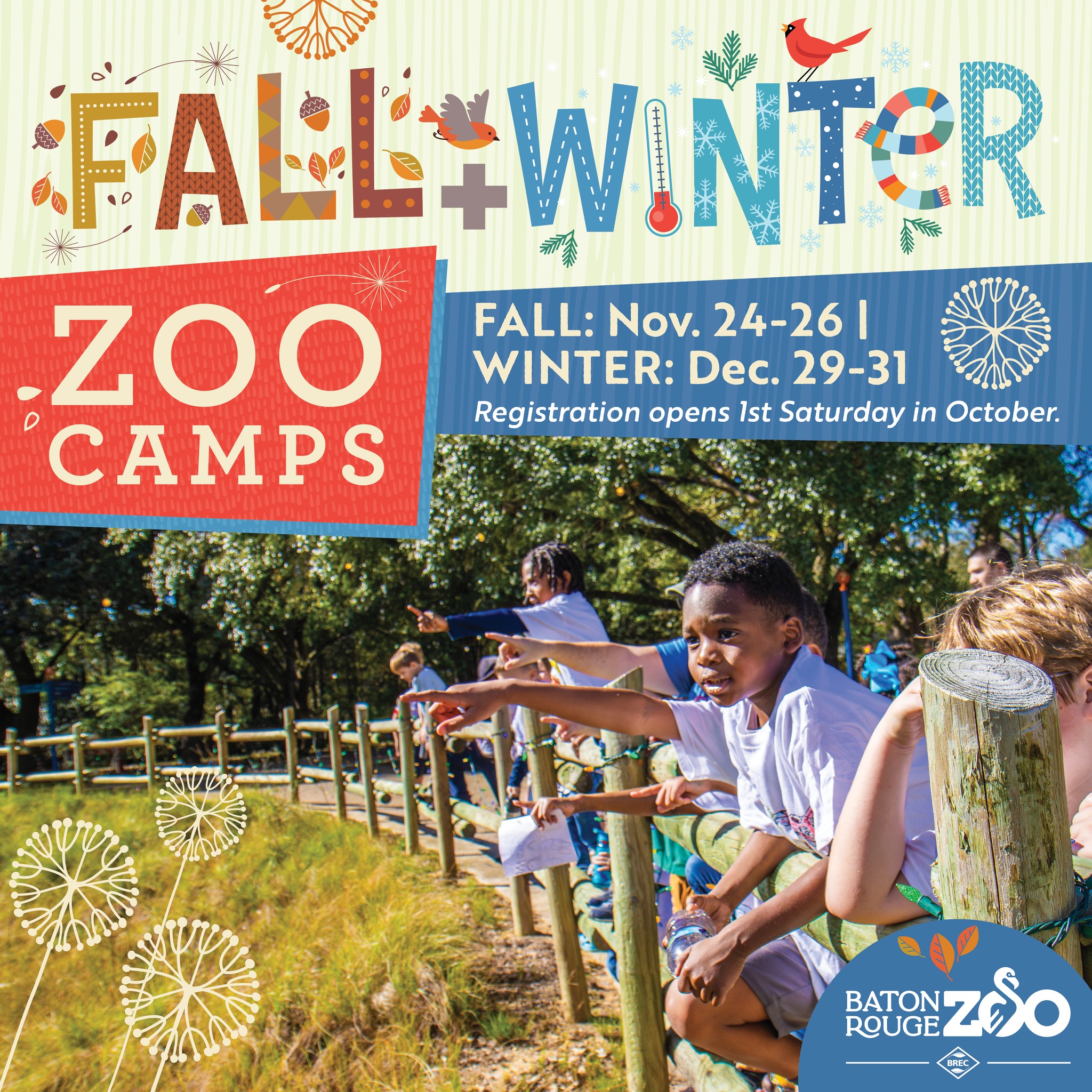
Zoo Camp registration opens the first Saturday in October, marking an exciting time for families eager to embark on new adventures. By taking part in this program, children not only connect with animals but also develop a lasting bond with nature. The lessons learned extend beyond the camp experience, motivating them to advocate for wildlife and engage in responsible stewardship.
As seasons shift, so too do the opportunities for exploration. The interplay between wildlife behavior and environmental changes creates rich experiences for learning. Each season presents unique facets of nature that can deepen our connection to the animal kingdom. From the colorful foliage of autumn to the stark beauty of winter, engaging with these transformations reminds us of the intricate relationships within ecosystems.
Zoo Camp serves as a vital link between communities and conservation efforts. Programs designed for children and families empower individuals to make informed decisions regarding wildlife. When youth learn about the importance of biodiversity and the factors threatening various species, they grow into informed citizens capable of affecting change.
This transformative education is further supported by zoos collaborative efforts with other conservation organizations. Conservation programs often focus on habitat restoration, breeding programs for endangered species, and public education campaigns. These initiatives are evident in every aspect of Zoo Camp. Children not only learn about wildlife but participate in current conservation projects, gaining practical knowledge and inspiring a future generation of conservationists.
Families can enhance their Zoo Camp experience by engaging in discussions about animals’ needs, habitat conservation, and broader environmental issues. Such conversations position wildlife at the forefront of young minds. Furthermore, parents can promote a responsible approach to living sustainably by integrating eco-friendly practices like recycling and reducing waste at home.
As the seasons continue to change, the call for wildlife conservation becomes increasingly urgent. The impact of climate change is profoundly altering habitats and forcing many species to adapt or risk extinction. Education through programs like Zoo Camp plays a critical role in addressing these challenges. By instilling awareness of these pressing issues, we can encourage a collective action that transcends generations.
Learning about adaptations helps children recognize the resilience and fragility of nature. For example, understanding why certain birds migrate while others do not emphasizes how species respond differently to environmental changes. Highlighting these differences throughout the Zoo Camp experience can cultivate a profound respect for diverse life forms.
Moreover, the camp experience naturally fosters an appreciation for local ecosystems. Children learn about the species that inhabit their own backyards and the significance of maintaining healthy habitats. Recognizing the local wildlife encourages observation and curiosity, which can lead to lifelong interests in biology, ecology, and environmental stewardship.
In addition to structured educational opportunities, Zoo Camp emphasizes the joy of outdoor adventures. Whether through team-building exercises, animal encounters, or nature scavenger hunts, children gain skills that foster a sense of wonder and discovery. As they learn about animal behavior, they are encouraged to ask questions and engage actively with their surroundings.
Moreover, the friendships formed during Zoo Camp add another layer of enrichment. Collaborating with peers in this exciting environment fosters social skills and teamwork. Group projects, like creating educational materials for younger campers, teach responsibility and build confidence. These social dynamics often enhance the overall learning experience, making education both fun and impactful.
As community members, zoos play a significant role in connecting individuals with the natural world. They encourage citizens to advocate for local wildlife conservation efforts. Initiatives like Zoo Camp bring excitement to wildlife education, motivating young people to pursue further study or careers in zoology, ecology, or conservation.
Youth who participate in programs like these have the potential to become passionate advocates for wildlife conservation. Their experiences at Zoo Camp can solidify a commitment to sustainability practices that could shape the future. With hands-on learning, children leave with memories and knowledge that empower them to make positive contributions to wildlife conservation.
As the first Saturday in October approaches, the excitement builds for families eager to register for Zoo Camp. Through educational adventures, we nurture a generation that recognizes the significance of wildlife conservation and the responsibility we all share in protecting our planet. Each season brings opportunities for new learning, ensuring that the adventures remain wild and impactful long after camp ends.
*****
Source Description
Seasons change, adventures stay wild. 🍂❄️
Zoo Camp registration opens the first Saturday in October (register on our website)!
