
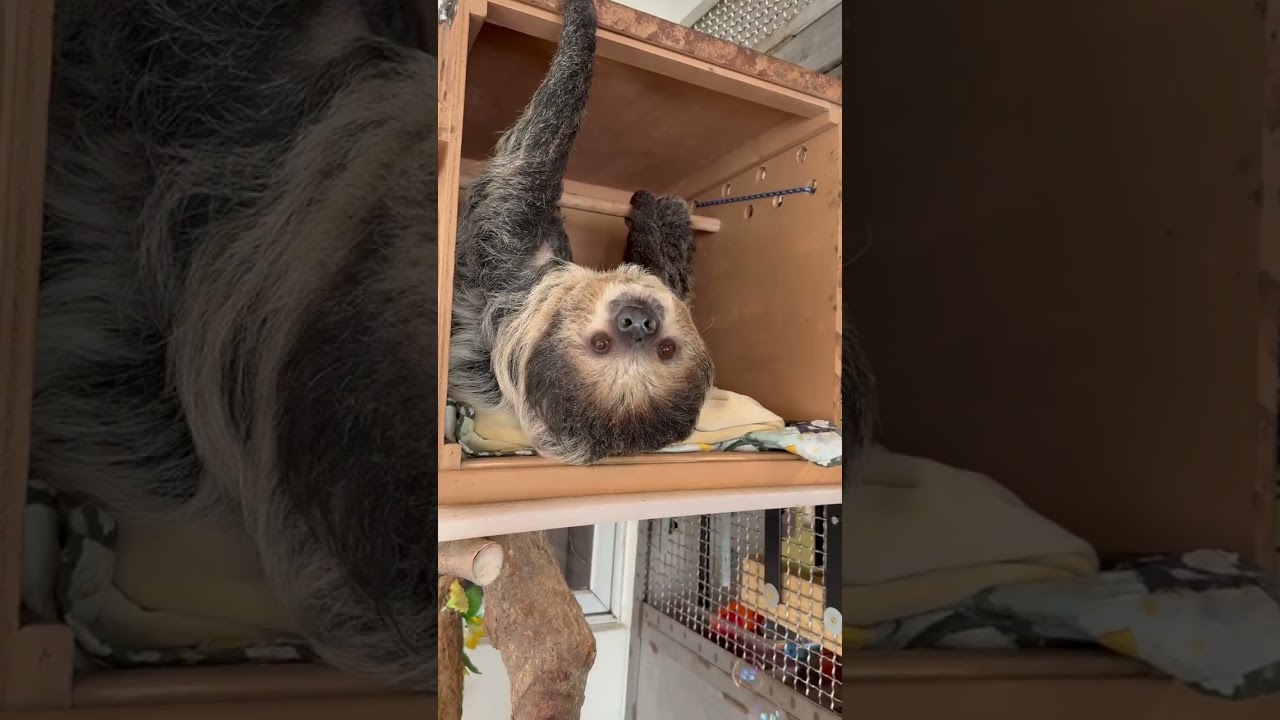
- Understanding Sloth Behavior and Ecology: How Sloth Bubble Enrichment is Tailored to Their Needs
- The Science Behind Bubble Enrichment: Cognitive and Environmental Benefits for Sloths
- Creating Effective Environments: Techniques and Strategies in Zoo Management
- Conservation Implications: How Enrichment Supports Sloth Populations in the Wild
- Engaging the Public: Education and Awareness Through Sloth Enrichment Programs
Understanding Sloth Behavior and Ecology: How Sloth Bubble Enrichment is Tailored to Their Needs
Sloths, known for their leisurely pace and arboreal lifestyle, present unique challenges and opportunities in the field of animal enrichment. Their slow metabolism and highly specialized diet, consisting mainly of leaves, demand innovative enrichment tactics that cater to their ecological and behavioral patterns. Sloth bubble enrichment is a creative approach designed to stimulate their natural behaviors and engage their senses in an otherwise controlled environment.
Sloths are primarily solitary creatures, relying on their acute sense of smell and touch to navigate their treetop habitats. With strong, curved claws, they maneuver through the canopy, utilizing their flexible limbs to reach leaves and twigs. The introduction of bubbles offers a novel sensory experience, encouraging interaction and exploration. These bubbles are infused with scents or food flavors, compelling sloths to use their sensory capabilities, thereby promoting physical activity and mental engagement.
Understanding these creatures’ daily cycles is vital. Sloths are predominantly nocturnal, and their enrichment must align with their natural rhythms. This time alignment is crucial in fostering genuine interest and interaction. Introducing stimulation during their active periods ensures they remain engaged, promoting health and well-being.
The Science Behind Bubble Enrichment: Cognitive and Environmental Benefits for Sloths
Sloth bubble enrichment isn’t merely a playful distraction; it’s a scientifically grounded method of enhancing cognitive function and environmental interaction. The process involves releasing bubbles that capture the attention of sloths, encouraging them to investigate and interact with their surroundings. This type of enrichment is multifaceted, offering cognitive stimulation, encouraging curiosity, and fostering problem-solving skills.
The sensory enrichment provided by bubbles engages their olfactory and tactile senses, drawing out instinctive behaviors that mimic their natural foraging habits. By incorporating different scents and flavors, bubbles can entice sloths to move, touch, and explore – actions that are crucial for their physical health and mental stimulation. The unpredictable nature of bubbles floating and settling mimics the leaf movement in their natural habitats, offering a dynamic environment that challenges their adaptability.
Furthermore, research indicates that such enrichment strategies reduce stress and anxiety in captive populations. By replicating aspects of their natural habitat, sloths exhibit lower levels of cortisol, a stress hormone, and demonstrate increased activity levels. These enhancements to their daily routine foster a healthier, more balanced lifestyle.
Creating Effective Environments: Techniques and Strategies in Zoo Management
Zoo management plays a critical role in developing and implementing enrichment programs that meet the needs of diverse species, including sloths. Effective environments combine both structured habitats and spontaneous enrichments like bubble enrichment. This mix stimulates the animals’ physical and cognitive faculties, ensuring a fulfilling living experience.
Key strategies involve mimicking the structural complexity of sloths’ native environments. This includes providing ample climbing opportunities with ropes, branches, and platforms that echo the canopy structure. Enrichment activities, such as bubble sessions, are integrated into these habitats to leverage natural behaviors and promote exploration.
Safety and welfare are paramount in zoo management. Each component of the environment, including enrichment tools, is scrutinized to avoid hazards. In the case of bubble enrichment, non-toxic, biodegradable solutions are used to prevent potential harm. Regular assessments and behavioral observations guide the refinement of these environments, ensuring sloth well-being.
Conservation Implications: How Enrichment Supports Sloth Populations in the Wild
Enrichment activities, like sloth bubble enrichment, can extend beyond captivity and play a role in conservation efforts for wild populations. By studying the behaviors elicited through enrichment, conservationists gain insights into the needs of sloths in their natural habitats. This knowledge informs habitat preservation strategies and supports restoration efforts.
Increasing public awareness about the ecological significance of sloths through enrichment programs can bolster conservation initiatives. Engaging visitors not only fosters empathy and understanding but also mobilizes support for habitat protection and anti-deforestation campaigns. Educational programs linked to enrichment underscore the importance of biodiversity, prompting action to safeguard sloths and their ecosystems.
Furthermore, enrichment programs highlight the adaptability and cognitive abilities of sloths, shifting public perception and challenging misconceptions. Recognizing their ecological role encourages a broader conservation ethos, emphasizing the interconnectedness of species and ecosystem health.
Engaging the Public: Education and Awareness Through Sloth Enrichment Programs
Public engagement through sloth enrichment programs is crucial in promoting wildlife conservation. These initiatives offer visitors a glimpse into the lives of sloths, fostering a deeper understanding of their ecological roles and the challenges they face in the wild. By observing enrichment sessions, such as bubble enrichment, audiences witness firsthand the curiosity and intelligence of these gentle creatures.
Educational tours and interactive exhibits enhance visitor experience, encouraging active participation and learning. By connecting guests emotionally and intellectually, these programs inspire conservation-minded actions and support for protective measures. Engaging storytelling, facilitated by zoo educators, bridges the gap between enriching sloth habitats and broader environmental efforts.
By observing sloths interact with bubbles, visitors gain an appreciation for the creativity and complexity involved in wildlife care. These encounters emphasize the necessity of maintaining biological diversity and the importance of supporting conservation projects both locally and globally. Experiences founded on sloth enrichment are vital in galvanizing public support and advocating for the natural world.
Incorporating sloth bubble enrichment into educational narratives and conservation plans exemplifies the innovative approaches essential for modern zoo management and wildlife preservation. By aligning enrichment with scientific research and public involvement, these programs highlight the vital role enrichment plays in nurturing both captive and wild sloth populations.
*****
Source Description
Lightning the two-toed sloth wasn’t sure what to think of the bubble enrichment.
